THE ADVENTURE COLLECTIVE® · Independent discovery and booking for outdoor travel

A half‑day sweep through Dubai’s historical spine — from the Al Fahidi Fort and Bastakia to abra crossings, spice-laden souks and iconic hotel photo stops. Ideal for first‑time visitors wanting one coherent introduction to the city’s past and present.
A half‑day sweep through Dubai’s historical spine — from the Al Fahidi Fort and Bastakia to abra crossings, spice-laden souks and iconic hotel photo stops. Ideal for first‑time visitors wanting one coherent introduction to the city’s past and present.
The morning light hits the rippled skin of Dubai Creek and the city wakes in contrasts — fishermen’s abras slide past glass towers that catch the sun. Step off the curb at Bastakia and the wind-tower houses seem to survey the transformation: from pearling and dhow trade to global skyscrapers. The tour threads these chapters together, moving from the compact rooms of Al Fahidi Fort to the bustling, fragrant alleys of the Spice Souk, then across the water by traditional abra to a glittering stall-lined gold market.
Verified experiences and guided adventures in the surrounding area.
Operated by Trip Ventura · Dubai, Dubai
The morning light hits the rippled skin of Dubai Creek and the city wakes in contrasts — fishermen’s abras slide past glass towers that catch the sun. Step off the curb at Bastakia and the wind-tower houses seem to survey the transformation: from pearling and dhow trade to global skyscrapers. The tour threads these chapters together, moving from the compact rooms of Al Fahidi Fort to the bustling, fragrant alleys of the Spice Souk, then across the water by traditional abra to a glittering stall-lined gold market.
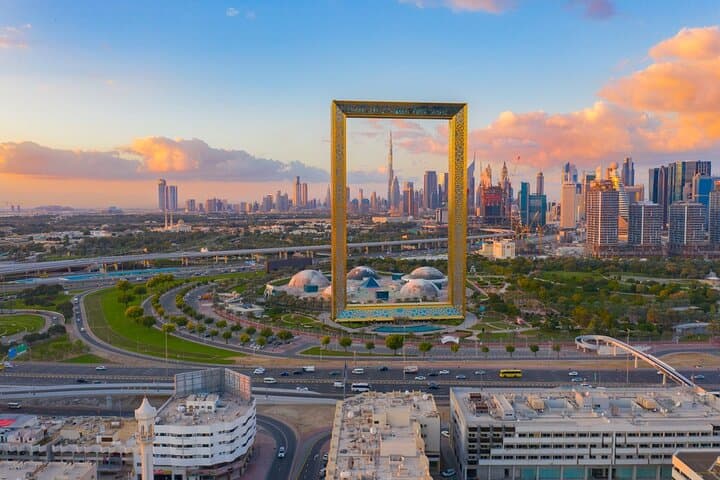
Dubai’s geography is simple and sharp — a coastal plain on the Persian Gulf where tidal creeks carved the earliest ports. The city’s culture grew from commerce: Bedouin, fishing, and pearling economies provided the base for rapid oil-era and post-oil urban growth. Expect a collage of architectural languages: coral-stone and wind towers, Ottoman-influenced mosque facades, and contemporary icons such as the sail-shaped Burj Al Arab and Burj Khalifa.
Practically, the route is low‑impact walking with frequent stops for photos and short strolls through markets. Wear comfortable shoes and sun protection; bring cash for quick purchases and small bags for stepping between crowded alleys. Language is predominantly Arabic with widespread English; bargaining is part of the souk experience, done politely.
Time your visit for morning light and cooler temperatures, allow patience for traffic between districts, and remember that much of the tour views landmarks from outside — carry ID for museum entry and respect local dress codes at religious sites. The tour gives a compact, sensory primer on Dubai’s past and its high-rise present.
easy.
6–7 hours.
Light walking ability required; suitable for most fitness levels with frequent seated transfer segments
The tour runs about 6.5 hours and typically includes transfers, a licensed guide, abra crossing, and entrance to Dubai Museum; some landmarks are viewed from outside.
The tour provides an external photo stop at Burj Al Arab; hotel interior access requires a separate reservation.
Yes — bargaining is customary in the Gold and Spice Souks; start lower than your target price and remain respectful during negotiations.
The tour is rated easy with short walks; it’s family-friendly, but travelers with mobility limitations should notify the operator for pickup and to assess site accessibility.
Dubai evolved from fishing, pearling and trade hubs along its creeks; Al Fahidi Fort marks the city’s defensive and administrative origins.
Water scarcity and rapid development place stress on coastal habitats; choose operators that minimize plastic use and respect protected areas.
Trip Ventura operates guided outdoor trips and adventures with an emphasis on safety, stewardship, and memorable experiences.
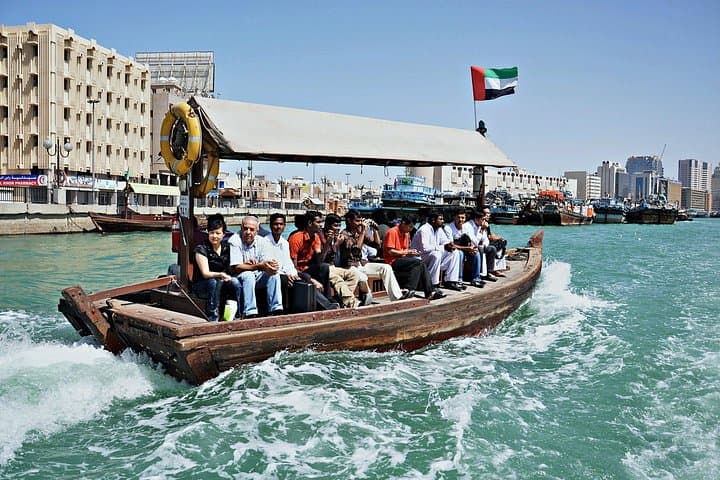
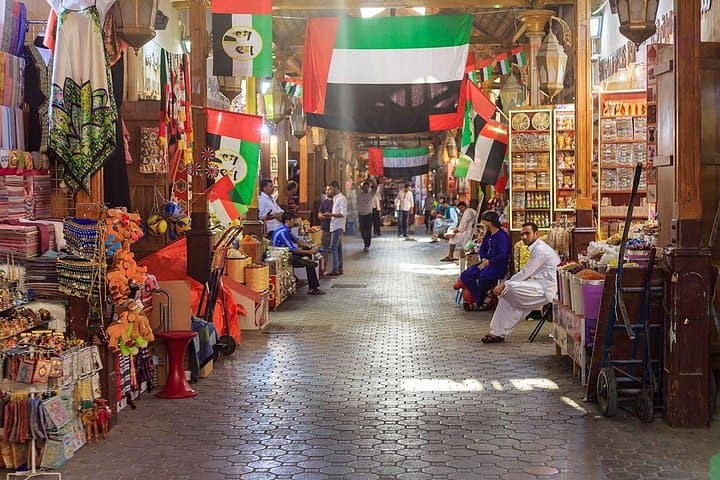
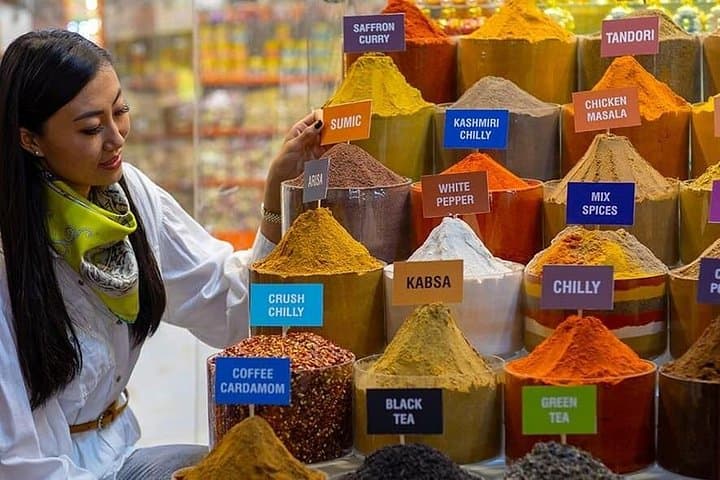
The morning light hits the rippled skin of Dubai Creek and the city wakes in contrasts — fishermen’s abras slide past glass towers that catch the sun. Step off the curb at Bastakia and the wind-tower houses seem to survey the transformation: from pearling and dhow trade to global skyscrapers. The tour threads these chapters together, moving from the compact rooms of Al Fahidi Fort to the bustling, fragrant alleys of the Spice Souk, then across the water by traditional abra to a glittering stall-lined gold market.
The morning light hits the rippled skin of Dubai Creek and the city wakes in contrasts — fishermen’s abras slide past glass towers that catch the sun. Step off the curb at Bastakia and the wind-tower houses seem to survey the transformation: from pearling and dhow trade to global skyscrapers. The tour threads these chapters together, moving from the compact rooms of Al Fahidi Fort to the bustling, fragrant alleys of the Spice Souk, then across the water by traditional abra to a glittering stall-lined gold market.
Dubai’s geography is simple and sharp — a coastal plain on the Persian Gulf where tidal creeks carved the earliest ports. The city’s culture grew from commerce: Bedouin, fishing, and pearling economies provided the base for rapid oil-era and post-oil urban growth. Expect a collage of architectural languages: coral-stone and wind towers, Ottoman-influenced mosque facades, and contemporary icons such as the sail-shaped Burj Al Arab and Burj Khalifa.
Practically, the route is low‑impact walking with frequent stops for photos and short strolls through markets. Wear comfortable shoes and sun protection; bring cash for quick purchases and small bags for stepping between crowded alleys. Language is predominantly Arabic with widespread English; bargaining is part of the souk experience, done politely.
Time your visit for morning light and cooler temperatures, allow patience for traffic between districts, and remember that much of the tour views landmarks from outside — carry ID for museum entry and respect local dress codes at religious sites. The tour gives a compact, sensory primer on Dubai’s past and its high-rise present.