THE ADVENTURE COLLECTIVE® · Independent discovery and booking for outdoor travel

A compact 4–5 hour introduction to Dubai that pairs skyline photo stops at Burj Al Arab with a quieter walk through Al Fahidi and an abra crossing of Dubai Creek. Perfect for first‑time visitors who want culture, markets and quick local context.
A compact 4–5 hour introduction to Dubai that pairs skyline photo stops at Burj Al Arab with a quieter walk through Al Fahidi and an abra crossing of Dubai Creek. Perfect for first‑time visitors who want culture, markets and quick local context.
Salt air and traffic hum meet here — you begin with a roadside view of Burj Al Arab’s curved silhouette against the Persian Gulf, then step into the slow, tidal heartbeat of old Dubai.
Verified experiences and guided adventures in the surrounding area.
Operated by Red Sea Tourism · Dubai, Dubai
Salt air and traffic hum meet here — you begin with a roadside view of Burj Al Arab’s curved silhouette against the Persian Gulf, then step into the slow, tidal heartbeat of old Dubai.
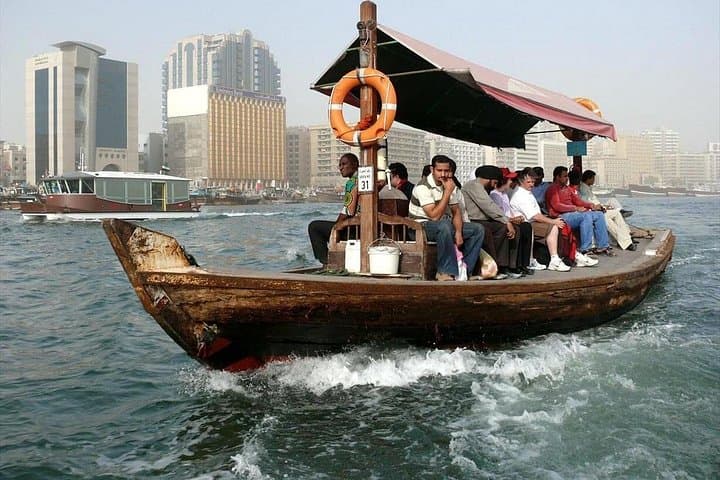
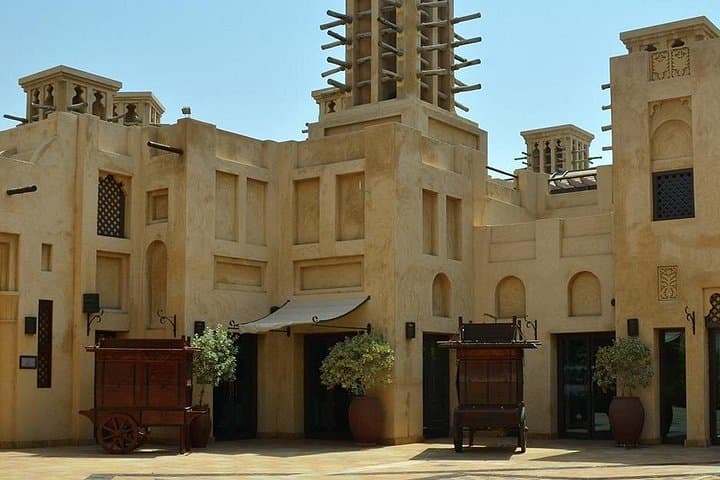
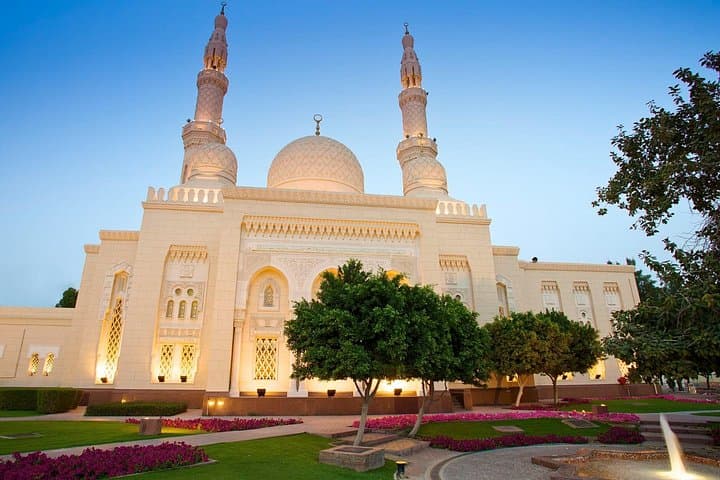
The tour threads modern iconography and traditional lanes: Jumeirah Mosque opens a window into modern Islamic architecture, while Al Fahidi Historical Neighbourhood preserves late 19th‑century wind‑tower houses and narrow alleys that once sheltered traders and pearling families. Dubai Creek, a tidal inlet long used for commerce and recently widened and managed, still dares you to cross it: the abra — a small wooden ferry — slips between Deira and Bur Dubai, ferrying you across markets that shaped the city’s economy.
You’ll see the places that map Dubai’s transition from a coastal trading settlement to an international hub: waterfront dhows, gold and spice souks that trade in centuries‑old commodities, and modern beaches and hotels that respond to the Gulf’s geometry rather than its geology.
Practicalities are straightforward: the shared tour runs about 4–5 hours with photo stops and an abra ride included. Dress respectfully for Jumeirah Mosque (shoulders and knees covered); wear comfortable shoes for cobbled lanes and souk browsing; bring a reusable water bottle and cash for small purchases. Mornings and late afternoons are best for light and cooler temperatures. Respect prayer times and vendor space when photographing inside markets.
This itinerary is compact and accessible: it’s part cultural primer, part urban shoreline cruise — ideal if you want a concentrated introduction to Dubai’s layered past and present.
easy.
4–5 hours.
Suitable for most fitness levels; involves moderate walking on uneven pavements and stairs in historic neighborhoods
The shared tour runs approximately 4–5 hours, with fixed photo stops and an abra crossing included.
Yes—Jumeirah Mosque accepts visitors outside prayer times and commonly welcomes guided visits; modest dress is required.
The tour description includes the abra ride and visits; specific paid attractions (if any) will be noted by the operator — check booking details for included admissions.
Yes; the tour is rated physically easy. Infants must sit on laps per operator policy and infant seats may be available.
Al Fahidi preserves architecture from the late 19th century when Dubai was a pearling and trading port; Dubai Creek has been central to that maritime economy.
Urban redevelopment balances tourism with conservation in Al Fahidi; visitors are encouraged to minimize waste, use existing pathways and avoid touching historic structures.
Red Sea Tourism operates guided outdoor trips and adventures with an emphasis on safety, stewardship, and memorable experiences.
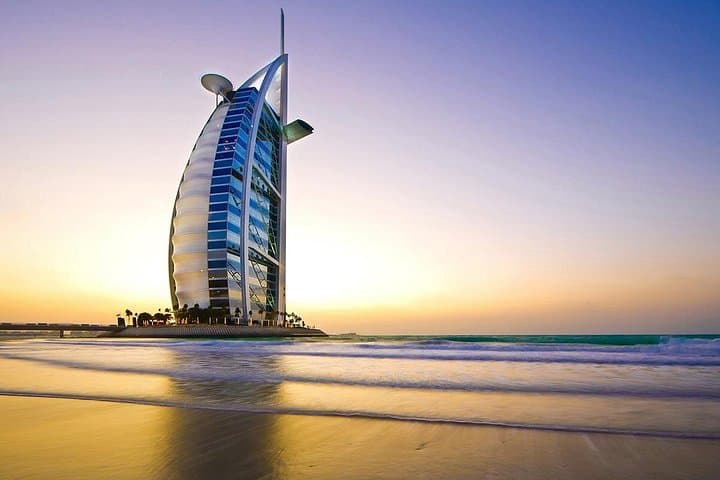
Salt air and traffic hum meet here — you begin with a roadside view of Burj Al Arab’s curved silhouette against the Persian Gulf, then step into the slow, tidal heartbeat of old Dubai.
Salt air and traffic hum meet here — you begin with a roadside view of Burj Al Arab’s curved silhouette against the Persian Gulf, then step into the slow, tidal heartbeat of old Dubai.
The tour threads modern iconography and traditional lanes: Jumeirah Mosque opens a window into modern Islamic architecture, while Al Fahidi Historical Neighbourhood preserves late 19th‑century wind‑tower houses and narrow alleys that once sheltered traders and pearling families. Dubai Creek, a tidal inlet long used for commerce and recently widened and managed, still dares you to cross it: the abra — a small wooden ferry — slips between Deira and Bur Dubai, ferrying you across markets that shaped the city’s economy.
You’ll see the places that map Dubai’s transition from a coastal trading settlement to an international hub: waterfront dhows, gold and spice souks that trade in centuries‑old commodities, and modern beaches and hotels that respond to the Gulf’s geometry rather than its geology.
Practicalities are straightforward: the shared tour runs about 4–5 hours with photo stops and an abra ride included. Dress respectfully for Jumeirah Mosque (shoulders and knees covered); wear comfortable shoes for cobbled lanes and souk browsing; bring a reusable water bottle and cash for small purchases. Mornings and late afternoons are best for light and cooler temperatures. Respect prayer times and vendor space when photographing inside markets.
This itinerary is compact and accessible: it’s part cultural primer, part urban shoreline cruise — ideal if you want a concentrated introduction to Dubai’s layered past and present.