THE ADVENTURE COLLECTIVE® · Independent discovery and booking for outdoor travel

Explore old Dubai’s Al Fahidi lanes, glide across Dubai Creek on a traditional abra, haggle in the Spice and Gold souks, and finish with views of the Burj Al Arab. This guided half-day tour balances history, sensory markets, and signature skyline moments.
Explore old Dubai’s Al Fahidi lanes, glide across Dubai Creek on a traditional abra, haggle in the Spice and Gold souks, and finish with views of the Burj Al Arab. This guided half-day tour balances history, sensory markets, and signature skyline moments.
You step off the air-conditioned van into lanes that smell faintly of cardamom and diesel. Wind threads between low coral-stone buildings in Al Fahidi, and the city’s earlier life—pearling, dhow trade, creek commerce—feels close enough to touch.
Verified experiences and guided adventures in the surrounding area.
Operated by fly to fly travels · Dubai, Dubai
You step off the air-conditioned van into lanes that smell faintly of cardamom and diesel. Wind threads between low coral-stone buildings in Al Fahidi, and the city’s earlier life—pearling, dhow trade, creek commerce—feels close enough to touch.
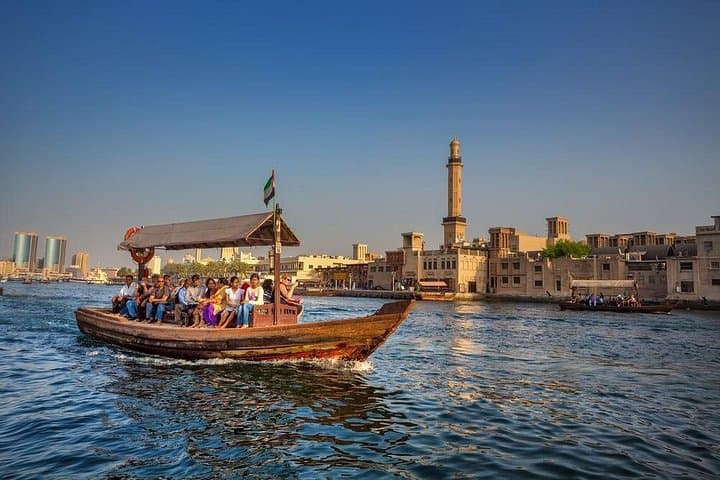
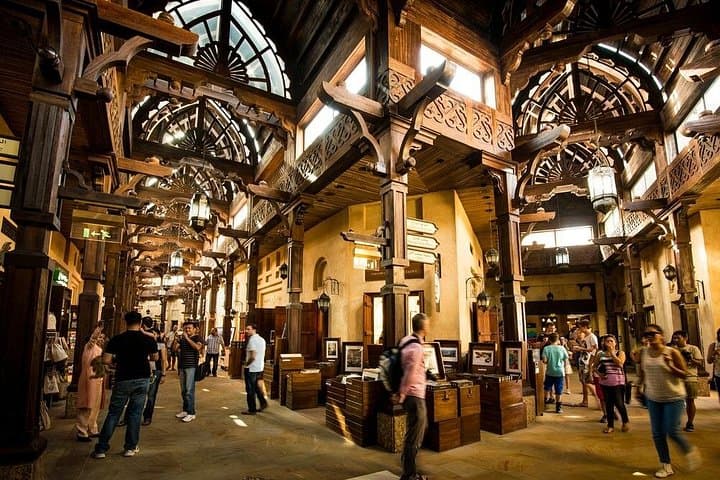
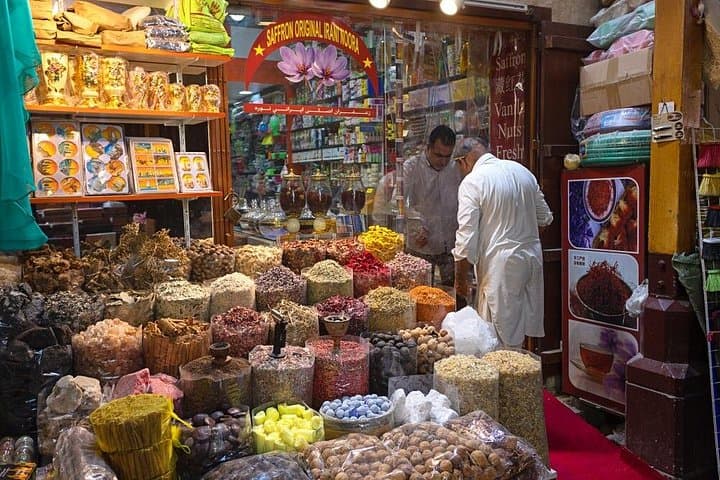
The creek dares you to slow down: aboard a wooden abra the water glints, dhows cut lines against a skyline of glass. Deira’s Spice Souk unloads an olfactory map of trade routes—saffron, sumac, dried limes—while the Gold Souk flashes old-world commerce in rows of gilded windows. Jumeirah Grand Mosque offers an architectural pause: its white stone and calligraphy frame an accessible lesson in Emirati faith and craftsmanship. Finally, Burj Al Arab rises like a modern sail, a reminder of how oil wealth and global ambition reshaped a fishing outpost into an international city.
Geology here is simple—reclaimed sand and salt flats pushed into urban islands—and culture is layered: Bedouin roots, Persian merchant communities, and 20th-century oil-era modernization. Local guides tie these threads together with precise stories rather than grandiosity.
Practical guidance: expect flat walking on paved streets with short standing intervals; wear modest, breathable clothing for mosque visits and bring sunscreen for exposed waterfront stops. Carry small change for souks and keep valuables secure while you photograph storefronts. The pace is steady and curated—enough time at each stop to feel oriented and to find one memory to take home.
easy.
4–5 hours.
Suitable for most travelers; requires moderate mobility for walking short distances and boarding an abra.
Yes—the Jumeirah Grand Mosque offers access for visitors; dress modestly and follow the guide’s instructions and visiting hours.
Yes—abra tickets are included and you’ll cross Dubai Creek on a short water taxi for a different city perspective.
Some established shops accept cards, but many stalls are cash-only—carry small dirham notes for purchases and bargaining.
Yes—infants must sit on laps during transport; the tour is listed as physically easy and family-friendly.
Dubai grew from a 19th-century fishing and pearl-diving economy centered on Dubai Creek into a global trade hub; the souks and creek remain living traces of that past.
The city is increasing efforts to reduce single-use plastics and protect marine habitats; visitors can help by using refillable bottles and following local signage near waterfronts.
fly to fly travels operates guided outdoor trips and adventures with an emphasis on safety, stewardship, and memorable experiences.
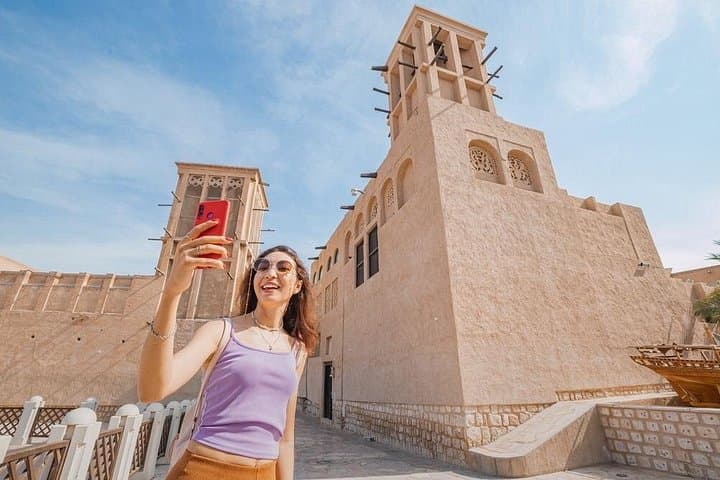
You step off the air-conditioned van into lanes that smell faintly of cardamom and diesel. Wind threads between low coral-stone buildings in Al Fahidi, and the city’s earlier life—pearling, dhow trade, creek commerce—feels close enough to touch.
You step off the air-conditioned van into lanes that smell faintly of cardamom and diesel. Wind threads between low coral-stone buildings in Al Fahidi, and the city’s earlier life—pearling, dhow trade, creek commerce—feels close enough to touch.
The creek dares you to slow down: aboard a wooden abra the water glints, dhows cut lines against a skyline of glass. Deira’s Spice Souk unloads an olfactory map of trade routes—saffron, sumac, dried limes—while the Gold Souk flashes old-world commerce in rows of gilded windows. Jumeirah Grand Mosque offers an architectural pause: its white stone and calligraphy frame an accessible lesson in Emirati faith and craftsmanship. Finally, Burj Al Arab rises like a modern sail, a reminder of how oil wealth and global ambition reshaped a fishing outpost into an international city.
Geology here is simple—reclaimed sand and salt flats pushed into urban islands—and culture is layered: Bedouin roots, Persian merchant communities, and 20th-century oil-era modernization. Local guides tie these threads together with precise stories rather than grandiosity.
Practical guidance: expect flat walking on paved streets with short standing intervals; wear modest, breathable clothing for mosque visits and bring sunscreen for exposed waterfront stops. Carry small change for souks and keep valuables secure while you photograph storefronts. The pace is steady and curated—enough time at each stop to feel oriented and to find one memory to take home.