THE ADVENTURE COLLECTIVE® · Independent discovery and booking for outdoor travel

See Dubai from Creek-level dhows to the 148th floor of the Burj Khalifa on a single-day orientation. This tour stitches heritage neighborhoods, souks and iconic beachfront landmarks into one accessible route for first-time visitors.
See Dubai from Creek-level dhows to the 148th floor of the Burj Khalifa on a single-day orientation. This tour stitches heritage neighborhoods, souks and iconic beachfront landmarks into one accessible route for first-time visitors.
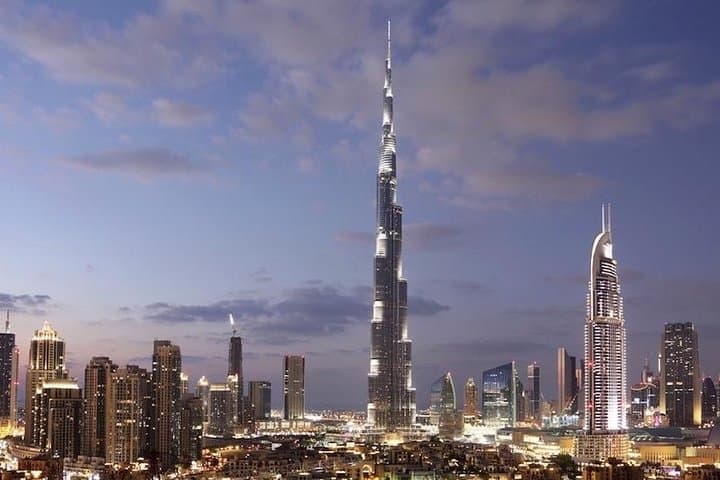
Morning light strikes the glass ribs of Dubai's skyline and the city wakes in a contrast of old dhows and new spires. On this full-day orientation, travelers move from the tidal, working Dubai Creek—where wooden abras cut their wake—to the engineered vertigo of Burj Khalifa's observation deck on the 148th floor. The trip reads like a short history: wind-towered courtyard houses in Al Fahidi recall pearling-era trade; the Gold and Spice Souqs still pulse with scents and bargaining; Jumeirah's mosque offers a lattice of plaster and faith against the Gulf.
Verified experiences and guided adventures in the surrounding area.
Operated by Tabeer Tours · Dubai, Dubai
Morning light strikes the glass ribs of Dubai's skyline and the city wakes in a contrast of old dhows and new spires. On this full-day orientation, travelers move from the tidal, working Dubai Creek—where wooden abras cut their wake—to the engineered vertigo of Burj Khalifa's observation deck on the 148th floor. The trip reads like a short history: wind-towered courtyard houses in Al Fahidi recall pearling-era trade; the Gold and Spice Souqs still pulse with scents and bargaining; Jumeirah's mosque offers a lattice of plaster and faith against the Gulf.
Geologically, Dubai sits on compacted coastal sands and reclaimed land; the Burj Khalifa rises from a massive reinforced concrete raft and piles designed for desert soils. Culturally, expect an urban mix of Emirati heritage and global commerce—dress modestly at religious sites, and respect prayer times when neighborhoods quiet. Local insights: smoke-blue dhow timber, the call of seagulls along the creek, and the strange calm inside heritage courtyards all punctuate the modernity.
Practical guidance: plan Burj Khalifa access during late morning or sunset for clearer light and cooler temperatures, allow extra time for security and elevator queues, and carry water—Dubai's heat is persistent. Wear comfortable shoes for cobbled lanes and hotel lobbies alike, keep a scarf for mosque visits, and bring a camera with a wide-angle for skyline compositions. The tour pairs easy walking with several photo stops—great for first-time visitors who want a concise, readable introduction to Dubai's past and present.
easy.
8 hours.
Suitable for general fitness—mostly short walks and standing at viewpoints
Yes—the itinerary includes admission to the At The Top observation deck on the 148th floor as specified in the tour description.
The tour provides pickup and drop-back within Dubai; you’ll specify the pickup point when booking.
The tour is rated easy, but it involves walking and standing; those with serious mobility or spinal issues should check accessibility details and the description’s health advisories.
Casual but modest clothing is best—cover shoulders and knees; lightweight fabrics help in heat and when entering air-conditioned spaces.
Dubai Creek was the city’s original artery for trade and pearling; Burj Khalifa (completed 2010) symbolizes Dubai’s recent vertical expansion atop consolidated coastal sands.
Tourism in Dubai emphasizes water and energy efficiency in major attractions; visitors should limit single-use plastics and follow local guidelines to reduce strain on fragile coastal ecosystems.
Tabeer Tours operates guided outdoor trips and adventures with an emphasis on safety, stewardship, and memorable experiences.
Morning light strikes the glass ribs of Dubai's skyline and the city wakes in a contrast of old dhows and new spires. On this full-day orientation, travelers move from the tidal, working Dubai Creek—where wooden abras cut their wake—to the engineered vertigo of Burj Khalifa's observation deck on the 148th floor. The trip reads like a short history: wind-towered courtyard houses in Al Fahidi recall pearling-era trade; the Gold and Spice Souqs still pulse with scents and bargaining; Jumeirah's mosque offers a lattice of plaster and faith against the Gulf.
Morning light strikes the glass ribs of Dubai's skyline and the city wakes in a contrast of old dhows and new spires. On this full-day orientation, travelers move from the tidal, working Dubai Creek—where wooden abras cut their wake—to the engineered vertigo of Burj Khalifa's observation deck on the 148th floor. The trip reads like a short history: wind-towered courtyard houses in Al Fahidi recall pearling-era trade; the Gold and Spice Souqs still pulse with scents and bargaining; Jumeirah's mosque offers a lattice of plaster and faith against the Gulf.
Geologically, Dubai sits on compacted coastal sands and reclaimed land; the Burj Khalifa rises from a massive reinforced concrete raft and piles designed for desert soils. Culturally, expect an urban mix of Emirati heritage and global commerce—dress modestly at religious sites, and respect prayer times when neighborhoods quiet. Local insights: smoke-blue dhow timber, the call of seagulls along the creek, and the strange calm inside heritage courtyards all punctuate the modernity.
Practical guidance: plan Burj Khalifa access during late morning or sunset for clearer light and cooler temperatures, allow extra time for security and elevator queues, and carry water—Dubai's heat is persistent. Wear comfortable shoes for cobbled lanes and hotel lobbies alike, keep a scarf for mosque visits, and bring a camera with a wide-angle for skyline compositions. The tour pairs easy walking with several photo stops—great for first-time visitors who want a concise, readable introduction to Dubai's past and present.