THE ADVENTURE COLLECTIVE® · Independent discovery and booking for outdoor travel

Ride one of the world’s fastest elevators to the Burj Khalifa observation deck, then drive through Dubai’s highlights from historic Al Fahidi to Palm Jumeirah. This full-day city tour combines high-altitude views with street-level culture and practical tips for a smooth visit.
Ride one of the world’s fastest elevators to the Burj Khalifa observation deck, then drive through Dubai’s highlights from historic Al Fahidi to Palm Jumeirah. This full-day city tour combines high-altitude views with street-level culture and practical tips for a smooth visit.
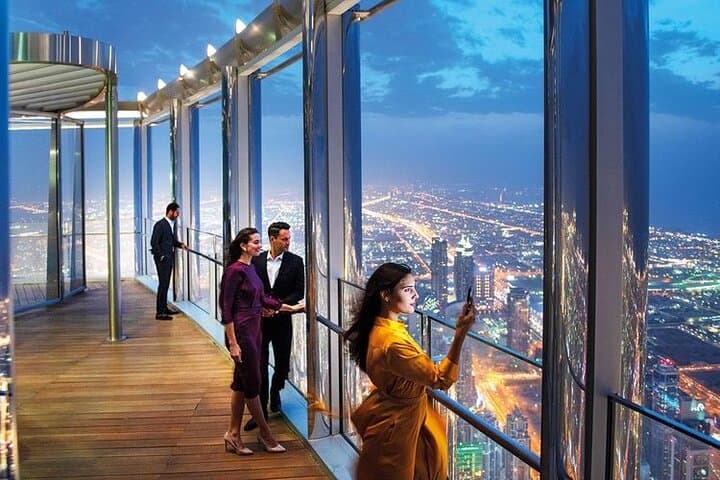
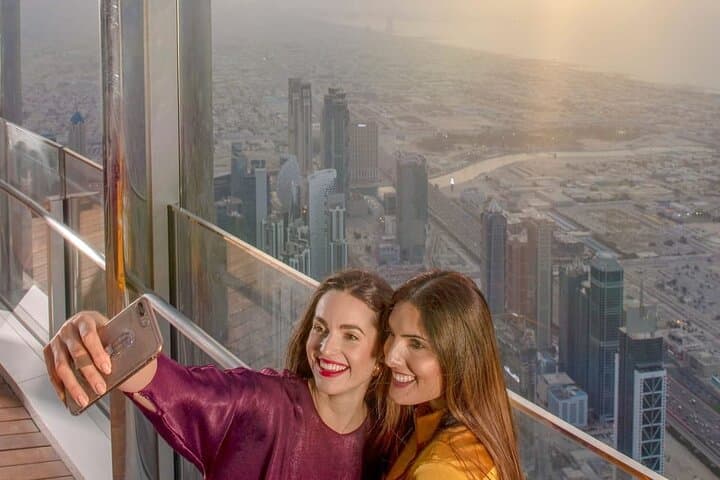
The elevator hums, the city tilts into a grid of glass and sand, and within a minute you’re looking out from 124/125 — where the Gulf, the desert and the skyline argue for attention. From the observation deck the Palm Jumeirah curls like a carved crescent, Dubai Marina stitches dense towers together, and the desert pushes its pale horizon toward the city.
Verified experiences and guided adventures in the surrounding area.
Operated by Sougat Travel & Tourism LLC · Dubai, Dubai
The elevator hums, the city tilts into a grid of glass and sand, and within a minute you’re looking out from 124/125 — where the Gulf, the desert and the skyline argue for attention. From the observation deck the Palm Jumeirah curls like a carved crescent, Dubai Marina stitches dense towers together, and the desert pushes its pale horizon toward the city.
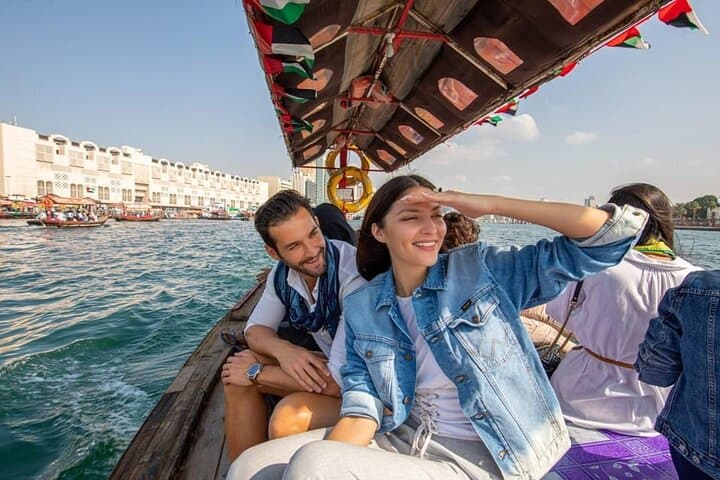
Burj Khalifa’s observation levels sit around 452 meters above ground; the building itself rose between 2004 and 2010 as part of Dubai’s rapid pivot from pearl-trading port to global hub. The tour threads contemporary urban engineering with older quarters: Al Fahidi’s wind-tower lanes, the floating abras on Dubai Creek, and the fragrance of the spice and gold souks that recall the emirate’s trading past.
Geology here is simple and human-made — reclaimed coastlines such as Palm and engineered shorelines — but culture is layered: traditional mosques, modern galleries, and the royal gardens that shelter peacocks. Expect mostly short walks, vehicle transfers across major city sights, and a shared abra crossing.
Practical edge: book mid-afternoon into sunset to see the city change light, carry water and sun protection, and bring a modest cover-up for mosque visits. Tickets require ID for admission; guided pickups are common. Comfortable shoes and a charged camera will get you through photo stops at Burj Al Arab, Atlantis, Al Seef and the Gold Souk without missing the story: Dubai’s rapid reinvention, visible on every avenue and skyline gaze.
easy.
8–9 hours.
Suitable for all fitness levels; involves short walks, stair-free elevator access to the observation deck, and periods of standing.
The listed duration is about 8–9 hours and typically includes pick-up/drop-off, Burj Khalifa admission to levels 124/125, Dubai Mall, Jumeirah Mosque, Al Fahidi, Gold and Spice Souks, Palm drive and photo stops like Burj Al Arab.
Yes—this product includes an entrance ticket to the 'At The Top' observation decks on levels 124 and 125.
Yes—when visiting Jumeirah Mosque and traditional neighborhoods, modest dress covering shoulders and knees is required; women may need a headscarf for mosque interiors.
Pickup and drop-off are included; mobile or paper tickets are accepted but carry a digital copy and ID for verification.
Dubai evolved from a 19th-century trading and pearl-diving port into a major modern commerce and tourism center; Burj Khalifa (completed in 2010) is a focal point of that transformation.
Rapid development strains water and coastal ecosystems; stick to marked walkways, minimise single-use plastics, and respect heritage sites to reduce impact.
Sougat Travel & Tourism LLC operates guided outdoor trips and adventures with an emphasis on safety, stewardship, and memorable experiences.

The elevator hums, the city tilts into a grid of glass and sand, and within a minute you’re looking out from 124/125 — where the Gulf, the desert and the skyline argue for attention. From the observation deck the Palm Jumeirah curls like a carved crescent, Dubai Marina stitches dense towers together, and the desert pushes its pale horizon toward the city.
The elevator hums, the city tilts into a grid of glass and sand, and within a minute you’re looking out from 124/125 — where the Gulf, the desert and the skyline argue for attention. From the observation deck the Palm Jumeirah curls like a carved crescent, Dubai Marina stitches dense towers together, and the desert pushes its pale horizon toward the city.
Burj Khalifa’s observation levels sit around 452 meters above ground; the building itself rose between 2004 and 2010 as part of Dubai’s rapid pivot from pearl-trading port to global hub. The tour threads contemporary urban engineering with older quarters: Al Fahidi’s wind-tower lanes, the floating abras on Dubai Creek, and the fragrance of the spice and gold souks that recall the emirate’s trading past.
Geology here is simple and human-made — reclaimed coastlines such as Palm and engineered shorelines — but culture is layered: traditional mosques, modern galleries, and the royal gardens that shelter peacocks. Expect mostly short walks, vehicle transfers across major city sights, and a shared abra crossing.
Practical edge: book mid-afternoon into sunset to see the city change light, carry water and sun protection, and bring a modest cover-up for mosque visits. Tickets require ID for admission; guided pickups are common. Comfortable shoes and a charged camera will get you through photo stops at Burj Al Arab, Atlantis, Al Seef and the Gold Souk without missing the story: Dubai’s rapid reinvention, visible on every avenue and skyline gaze.