THE ADVENTURE COLLECTIVE® · Independent discovery and booking for outdoor travel

Ride the world’s fastest elevators to Levels 124 and 125 of Burj Khalifa for sweeping city and gulf views. This guide outlines what to expect — timing, accessibility, and top tips to get the best photos and avoid crowds.
Ride the world’s fastest elevators to Levels 124 and 125 of Burj Khalifa for sweeping city and gulf views. This guide outlines what to expect — timing, accessibility, and top tips to get the best photos and avoid crowds.
You step from the Dubai Mall into a corridor of polished stone and glass, then lift off in the world’s fastest elevators — sixty seconds that climb like a held breath. When the doors open on Level 124, floor-to-ceiling windows dump the city into your hands; on Level 125 the outdoor terrace lets the Arabian Gulf push at the skyline and the wind rearrange your hair.
Verified experiences and guided adventures in the surrounding area.
Operated by 1Day Tickets · Dubai, Dubai
You step from the Dubai Mall into a corridor of polished stone and glass, then lift off in the world’s fastest elevators — sixty seconds that climb like a held breath. When the doors open on Level 124, floor-to-ceiling windows dump the city into your hands; on Level 125 the outdoor terrace lets the Arabian Gulf push at the skyline and the wind rearrange your hair.
The Burj Khalifa rose from desert sands as a deliberate shift in Dubai’s urban identity. Completed in 2010 and designed by Adrian Smith at SOM, the building sits on reclaimed land and anchors Downtown Dubai’s rapid modern development. The tower’s stepped form references traditional Islamic architecture while its reinforced concrete core bears the load of record-breaking height.
Culture here is performance: fountains, shopping, and a skyline meant to be viewed as spectacle. From the decks you’ll notice planning details — artificial lakes, aligned avenues, and the meticulous geometry that turns heat and sand into a modern metropolis.
Practical guidance: tickets are timed and popular at sunset (3–6:30pm), so book the slot you want. Security requires small bags or luggage to be checked, and no outside food or drink is allowed. The visit is accessible to most visitors — elevators do the vertical work — but terraces can be windy and cooler than street level. Bring a camera with a wide lens, allow 45–90 minutes for the visit, and use the outdoor terrace for layered skyline shots. Respect crowd flow, follow posted times for the telescopes, and plan adjoining stops at the Dubai Fountain or Souk Al Bahar for quieter vantage points.
easy.
30–90 minutes.
Suitable for all physical fitness levels; involves minimal walking and elevator travel
Yes — tickets are for a specific entry time; arrive 15–20 minutes early to pass security and check luggage if needed.
Yes — elevators and accessible routes are available and most areas are wheelchair accessible; staff can assist with access.
No — outside food and drink are not permitted inside the Burj Khalifa observation areas.
Yes — infants may attend but must sit on an adult’s lap; follow any age-specific booking requirements shown during purchase.
Completed in 2010 and designed by Adrian Smith of SOM, Burj Khalifa anchored Dubai’s Downtown redevelopment and set global records for height.
High visitor numbers and urban lighting affect local resources; stick to designated areas, avoid littering, and use public transport to reduce your footprint.
1Day Tickets operates guided outdoor trips and adventures with an emphasis on safety, stewardship, and memorable experiences.
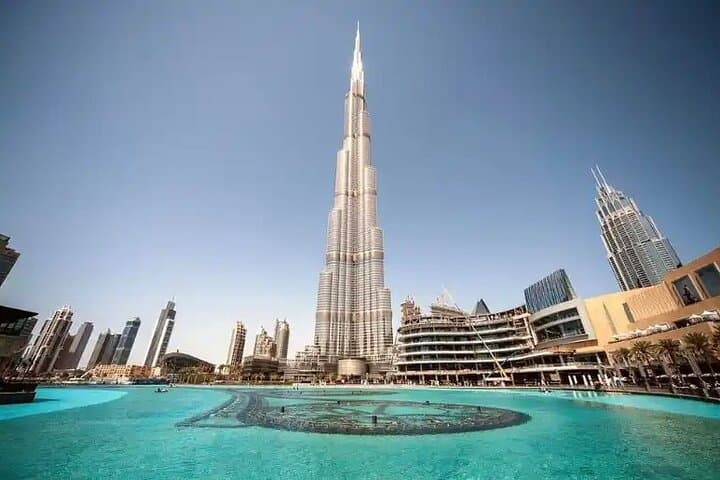


You step from the Dubai Mall into a corridor of polished stone and glass, then lift off in the world’s fastest elevators — sixty seconds that climb like a held breath. When the doors open on Level 124, floor-to-ceiling windows dump the city into your hands; on Level 125 the outdoor terrace lets the Arabian Gulf push at the skyline and the wind rearrange your hair.
You step from the Dubai Mall into a corridor of polished stone and glass, then lift off in the world’s fastest elevators — sixty seconds that climb like a held breath. When the doors open on Level 124, floor-to-ceiling windows dump the city into your hands; on Level 125 the outdoor terrace lets the Arabian Gulf push at the skyline and the wind rearrange your hair.
The Burj Khalifa rose from desert sands as a deliberate shift in Dubai’s urban identity. Completed in 2010 and designed by Adrian Smith at SOM, the building sits on reclaimed land and anchors Downtown Dubai’s rapid modern development. The tower’s stepped form references traditional Islamic architecture while its reinforced concrete core bears the load of record-breaking height.
Culture here is performance: fountains, shopping, and a skyline meant to be viewed as spectacle. From the decks you’ll notice planning details — artificial lakes, aligned avenues, and the meticulous geometry that turns heat and sand into a modern metropolis.
Practical guidance: tickets are timed and popular at sunset (3–6:30pm), so book the slot you want. Security requires small bags or luggage to be checked, and no outside food or drink is allowed. The visit is accessible to most visitors — elevators do the vertical work — but terraces can be windy and cooler than street level. Bring a camera with a wide lens, allow 45–90 minutes for the visit, and use the outdoor terrace for layered skyline shots. Respect crowd flow, follow posted times for the telescopes, and plan adjoining stops at the Dubai Fountain or Souk Al Bahar for quieter vantage points.