THE ADVENTURE COLLECTIVE® · Independent discovery and booking for outdoor travel

Speed over red dunes in a 4x4, visit a camel farm and finish the night with a Bedouin-style BBQ and live entertainment. Read on for what to expect, how to prepare, and local insights for this Dubai desert safari.
Speed over red dunes in a 4x4, visit a camel farm and finish the night with a Bedouin-style BBQ and live entertainment. Read on for what to expect, how to prepare, and local insights for this Dubai desert safari.
The Land Cruiser slips off the blacktop and the city vanishes behind a ribbon of taillights. Sand rises and falls like a breathing map; the tyres are let down, the engine growls, and the first crest launches you into a sequence of sharp, rolling dunes. By sunset the dunes paint themselves in molten orange, and the highest ridge becomes a stage for a quick photo stop.
Verified experiences and guided adventures in the surrounding area.
Operated by Sun City Tourism L.L.C · Dubai, Dubai
The Land Cruiser slips off the blacktop and the city vanishes behind a ribbon of taillights. Sand rises and falls like a breathing map; the tyres are let down, the engine growls, and the first crest launches you into a sequence of sharp, rolling dunes. By sunset the dunes paint themselves in molten orange, and the highest ridge becomes a stage for a quick photo stop.
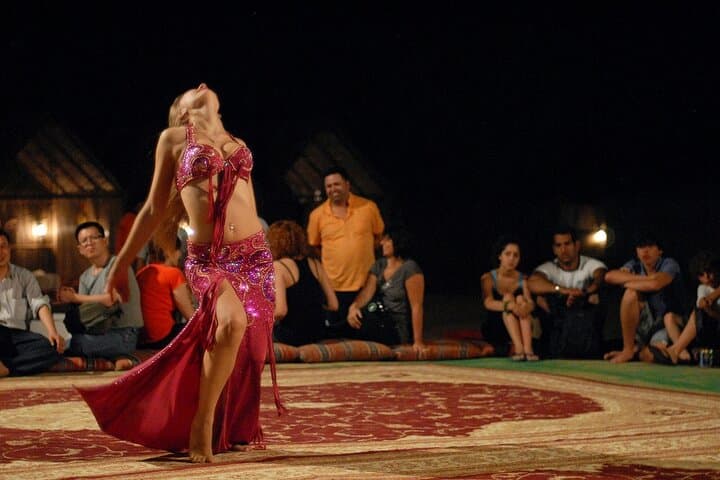
This evening desert safari draws on the region’s Bedouin history — camel herding, hospitality with gahwa (Arabic coffee) and dates, and open-air feasts — while the landscape is recent in geological terms: wind-shaped aeolian dunes of millennia-old sand that migrate across Dubai’s eastern outskirts. Cultural touches include henna, traditional dress for photos, and live performances like belly dance and tanoura that echo the Gulf’s coastal-entertainment traditions.
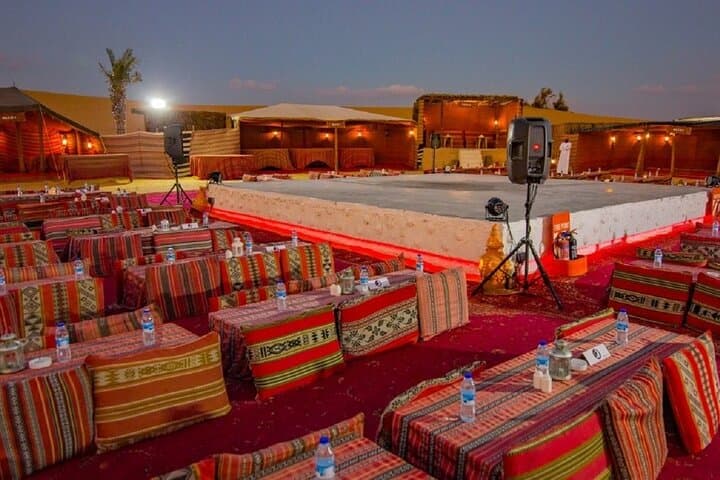
Expect adrenaline in the dune-bashing runs, a slower rhythm at the camel farm and camp, and a sprawling buffet under lantern light. Practicalities matter: sand gets everywhere, temperatures drop after sunset, and motion on soft slopes can be abrupt. Cameras need protection, shoes should be closed-toe, and modest attire is appreciated for the camp setting.
Plan late-afternoon pickup to catch sunset, carry water and sun protection, and leave valuables secured in the transfer vehicle. For photographers, the brief golden window atop the highest dune rewards early positioning. This experience is part spectacle, part simple desert mechanics — a rhythmic push of engine, sand and hospitality that makes the Arabian dunes feel both raw and inviting.
moderate.
4–6 hours.
Moderate fitness recommended — able to handle vehicle motion, short walks on soft sand and brief standing at the camp
Yes—shared pickup and drop-off from most Dubai locations is typically provided and timed to the safari schedule.
Dune-bashing can be rough; if you are prone to motion sickness, take preventative medication and sit toward the center of the vehicle.
Quad bikes and dune buggies are usually optional and require separate booking and payment at the camp or in advance.
Alcohol availability varies; some operators offer drinks on consumption at the camp while others restrict alcohol — check the specific tour listing before booking.
Bedouin nomadic culture shaped the region’s use of camels, hospitality rituals and temporary desert camps that modern safaris emulate for visitors.
The desert ecosystem is fragile; stay on marked tracks, avoid litter, and choose operators that follow dune-traction and wildlife protection guidelines.
Sun City Tourism L.L.C operates guided outdoor trips and adventures with an emphasis on safety, stewardship, and memorable experiences.
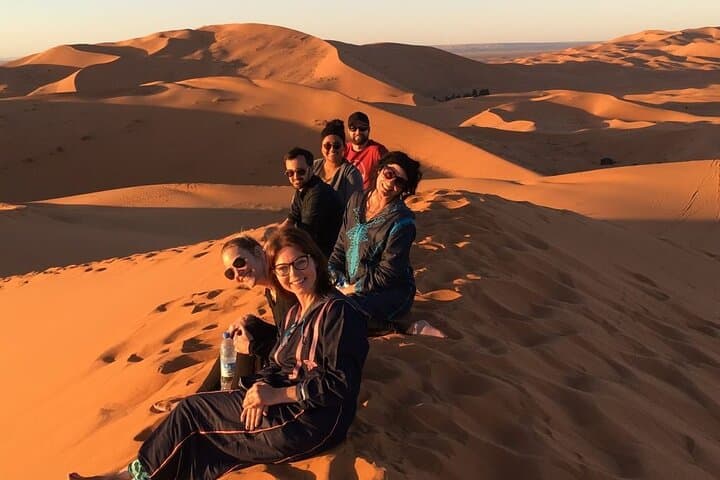
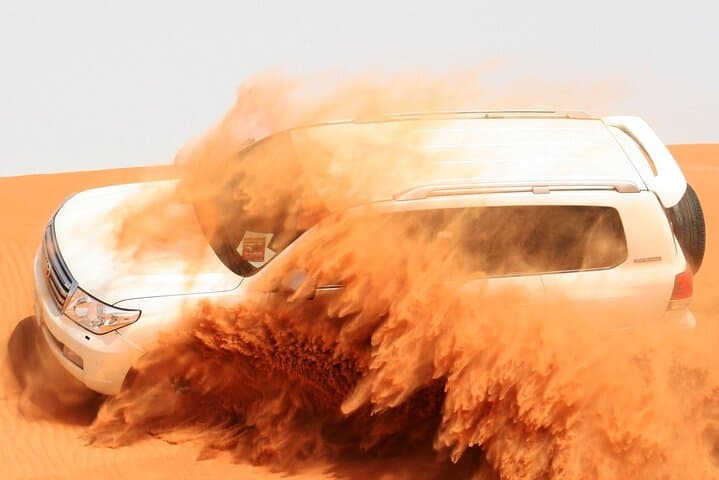
The Land Cruiser slips off the blacktop and the city vanishes behind a ribbon of taillights. Sand rises and falls like a breathing map; the tyres are let down, the engine growls, and the first crest launches you into a sequence of sharp, rolling dunes. By sunset the dunes paint themselves in molten orange, and the highest ridge becomes a stage for a quick photo stop.
The Land Cruiser slips off the blacktop and the city vanishes behind a ribbon of taillights. Sand rises and falls like a breathing map; the tyres are let down, the engine growls, and the first crest launches you into a sequence of sharp, rolling dunes. By sunset the dunes paint themselves in molten orange, and the highest ridge becomes a stage for a quick photo stop.
This evening desert safari draws on the region’s Bedouin history — camel herding, hospitality with gahwa (Arabic coffee) and dates, and open-air feasts — while the landscape is recent in geological terms: wind-shaped aeolian dunes of millennia-old sand that migrate across Dubai’s eastern outskirts. Cultural touches include henna, traditional dress for photos, and live performances like belly dance and tanoura that echo the Gulf’s coastal-entertainment traditions.
Expect adrenaline in the dune-bashing runs, a slower rhythm at the camel farm and camp, and a sprawling buffet under lantern light. Practicalities matter: sand gets everywhere, temperatures drop after sunset, and motion on soft slopes can be abrupt. Cameras need protection, shoes should be closed-toe, and modest attire is appreciated for the camp setting.
Plan late-afternoon pickup to catch sunset, carry water and sun protection, and leave valuables secured in the transfer vehicle. For photographers, the brief golden window atop the highest dune rewards early positioning. This experience is part spectacle, part simple desert mechanics — a rhythmic push of engine, sand and hospitality that makes the Arabian dunes feel both raw and inviting.