THE ADVENTURE COLLECTIVE® · Independent discovery and booking for outdoor travel

A classic 7-night Druk Path trek linking Paro and Thimphu, this tour combines high ridgelines, yak pastures and cultural sites like Taktsang and historic dzongs. Expect long days, basic camps and spectacular Himalayan views.
A classic 7-night Druk Path trek linking Paro and Thimphu, this tour combines high ridgelines, yak pastures and cultural sites like Taktsang and historic dzongs. Expect long days, basic camps and spectacular Himalayan views.
You step off the small plane into Paro and the air feels high and exact—clear, thin, edged by cliffs and prayer flags fluttering like exclamation points.
Verified experiences and guided adventures in the surrounding area.
Operated by WORLD TOUR PLAN · Paro, Paro District
You step off the small plane into Paro and the air feels high and exact—clear, thin, edged by cliffs and prayer flags fluttering like exclamation points.
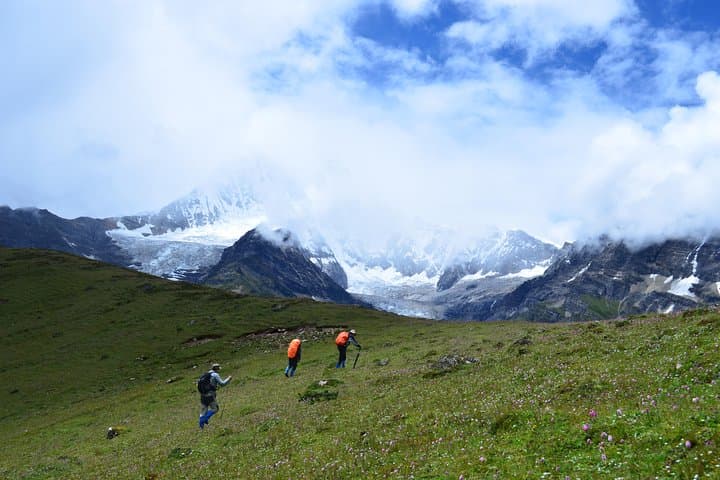
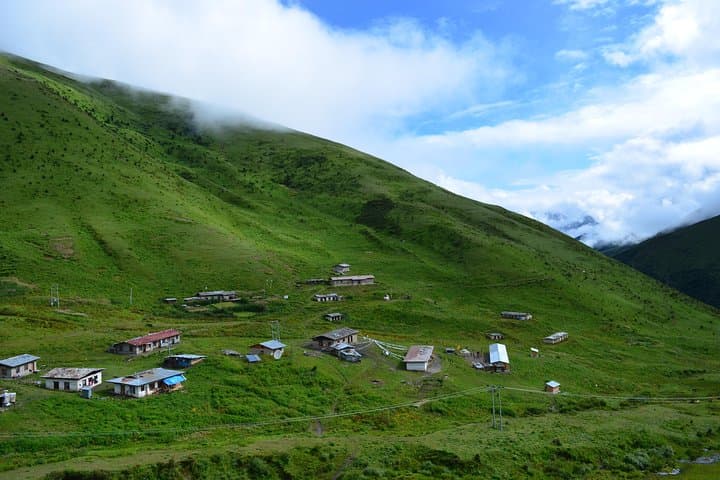
The Druk Path trek threads from Paro valley up through blue pine, over ridgelines and past yak pastures, rising to the Pumo La at roughly 4,100 m before a long descent into Thimphu. Along the route ruined dzongs, cairns and scattered shepherd camps punctuate the landscape; Jimilangtsho and Janatso are mirror lakes where sky and snow peaks meet.
Bhutan’s history and faith are inseparable from the land. Dzongs—fortress-monasteries dating to the 17th century—anchor valleys, while the tiger’s nest (Taktsang) clings to sheer rock above Paro, a reminder of tantric legends and living Buddhist practice. Geologically the eastern Himalaya here is young and steep, carved by glaciers and sudden weather; soils support dense rhododendron and juniper at higher elevations and blue pine lower down.
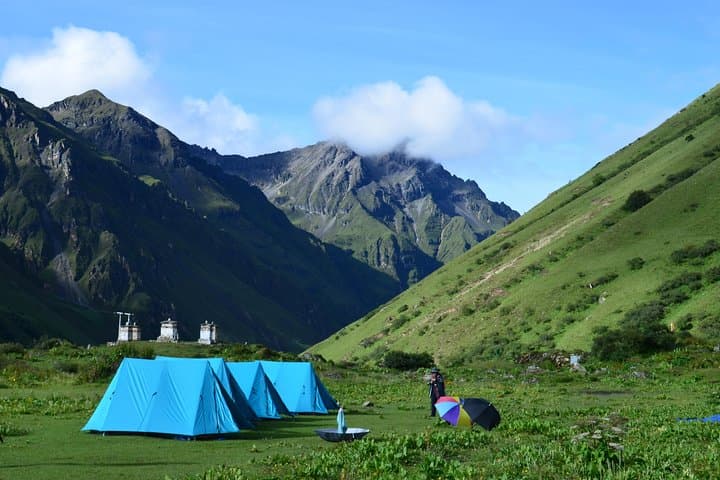
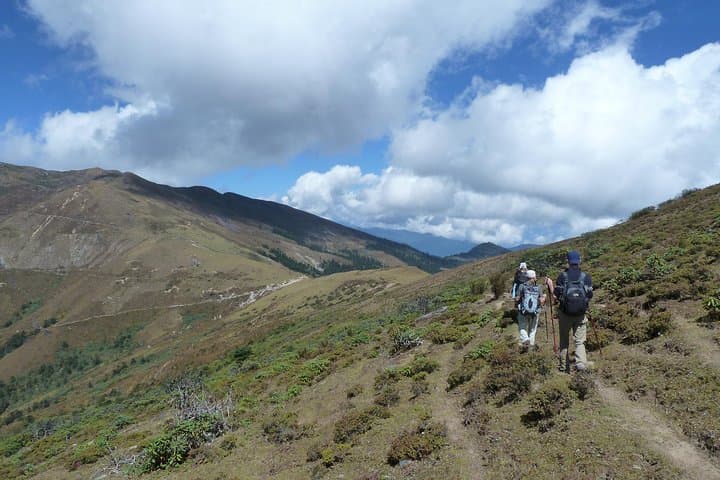
Practically: expect 6–7 hours of walking on several days, daily distances of 10–15 km and total altitude gain up to ~1,900 m from Paro to Pumo La. Trails alternate singletrack, rocky steps and muddy sections; campsites are basic and cold at night. Acclimatize in Paro, carry layers, and allow for slower paces above 3,000 m.
Water sources may be available but treat or use provided bottled water; pack a headlamp and warm sleeping liner for camps. Spring and autumn offer the most stable weather and rhododendron blooms or clear Himalayan vistas. This trek balances cultural immersion with high-mountain walking—expect quiet ridgelines, bell-like yak bells and wide, contagious views that demand patience and respect.
challenging.
8 days.
Participants should have good cardiovascular fitness and experience with multiday hikes; comfortable walking 10–15 km with elevation gain.
No; the Druk Path is a non-technical trekking route but requires stamina and sure-footedness on rocky sections.
Expect single-digit Celsius or below freezing nights above 3,000 m, especially in late autumn and winter—bring warm sleeping gear.
A local guide is included and the package typically covers Sustainable Development Fee, local taxes and visa-related arrangements as noted in inclusions.
Spring (April–May) and autumn (September–October) offer the most stable weather, rhododendron bloom or clear vistas; monsoon months are wetter and winter can bring snow on the pass.
Routes between Paro and Thimphu have long connected valley communities; the Druk Path historically linked monastic and trading sites and passes used by pilgrims.
Bhutan manages tourism with a Sustainable Development Fee and limits to keep visitor numbers low; stick to campsites and pack out waste to minimize impact.
WORLD TOUR PLAN operates guided outdoor trips and adventures with an emphasis on safety, stewardship, and memorable experiences.
You step off the small plane into Paro and the air feels high and exact—clear, thin, edged by cliffs and prayer flags fluttering like exclamation points.
You step off the small plane into Paro and the air feels high and exact—clear, thin, edged by cliffs and prayer flags fluttering like exclamation points.
The Druk Path trek threads from Paro valley up through blue pine, over ridgelines and past yak pastures, rising to the Pumo La at roughly 4,100 m before a long descent into Thimphu. Along the route ruined dzongs, cairns and scattered shepherd camps punctuate the landscape; Jimilangtsho and Janatso are mirror lakes where sky and snow peaks meet.
Bhutan’s history and faith are inseparable from the land. Dzongs—fortress-monasteries dating to the 17th century—anchor valleys, while the tiger’s nest (Taktsang) clings to sheer rock above Paro, a reminder of tantric legends and living Buddhist practice. Geologically the eastern Himalaya here is young and steep, carved by glaciers and sudden weather; soils support dense rhododendron and juniper at higher elevations and blue pine lower down.
Practically: expect 6–7 hours of walking on several days, daily distances of 10–15 km and total altitude gain up to ~1,900 m from Paro to Pumo La. Trails alternate singletrack, rocky steps and muddy sections; campsites are basic and cold at night. Acclimatize in Paro, carry layers, and allow for slower paces above 3,000 m.
Water sources may be available but treat or use provided bottled water; pack a headlamp and warm sleeping liner for camps. Spring and autumn offer the most stable weather and rhododendron blooms or clear Himalayan vistas. This trek balances cultural immersion with high-mountain walking—expect quiet ridgelines, bell-like yak bells and wide, contagious views that demand patience and respect.