THE ADVENTURE COLLECTIVE® · Independent discovery and booking for outdoor travel

A compact 4-day trek from Paro to Thimphu that climbs to alpine lakes and camps above 3,700 m. Expect rhododendron forests, yak-herder camps, and clear views of Bhutan’s high peaks with proper acclimatization and kit.
A compact 4-day trek from Paro to Thimphu that climbs to alpine lakes and camps above 3,700 m. Expect rhododendron forests, yak-herder camps, and clear views of Bhutan’s high peaks with proper acclimatization and kit.
A cool morning in Paro, the valley still holding last night’s mist, sets the tone for the Druk Path Trek: a compact, high-country passage that moves from arid valley floor into alpine lakes and rhododendron groves. You begin at Damchena (≈2,900 m), push through steep switchbacks and forests, and camp beneath skies that seem closer at 4,100 meters.
Verified experiences and guided adventures in the surrounding area.
Operated by Bhutan Best InBound Tour · Paro, Paro District
A cool morning in Paro, the valley still holding last night’s mist, sets the tone for the Druk Path Trek: a compact, high-country passage that moves from arid valley floor into alpine lakes and rhododendron groves. You begin at Damchena (≈2,900 m), push through steep switchbacks and forests, and camp beneath skies that seem closer at 4,100 meters.
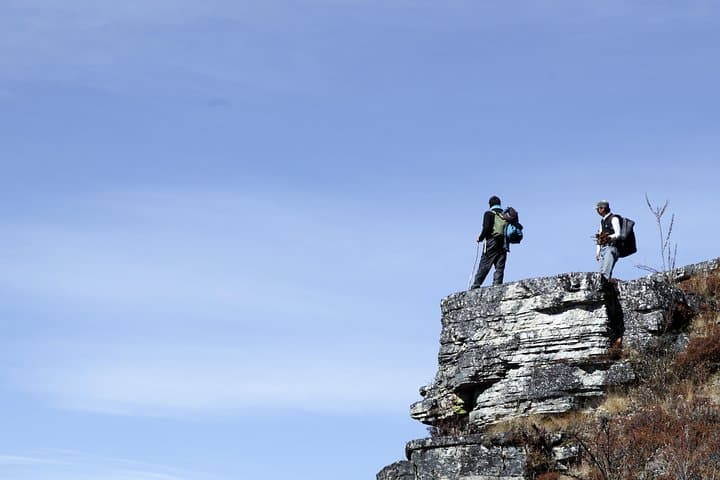
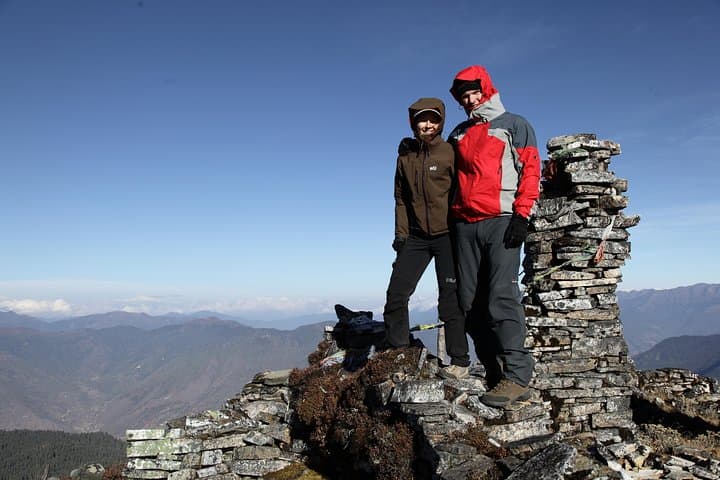
The route follows ancient mule tracks that linked Paro and Thimphu, visiting small dzongs and monastic outposts such as Jela Dzong. Geologically the trail rides the southern edge of the Greater Himalaya—steep relief, glacially-carved basins, and scattered moraine lakes like Jigme Langtsho and Jimilang Tsho. Culturally, the trail gives regular glimpses of Bhutanese mountain life: yak herders’ seasonal camps, prayer flags marking passes, and the chance to see Mount Gangkar Puensum on clear days—an unclimbed giant that frames the skyline.
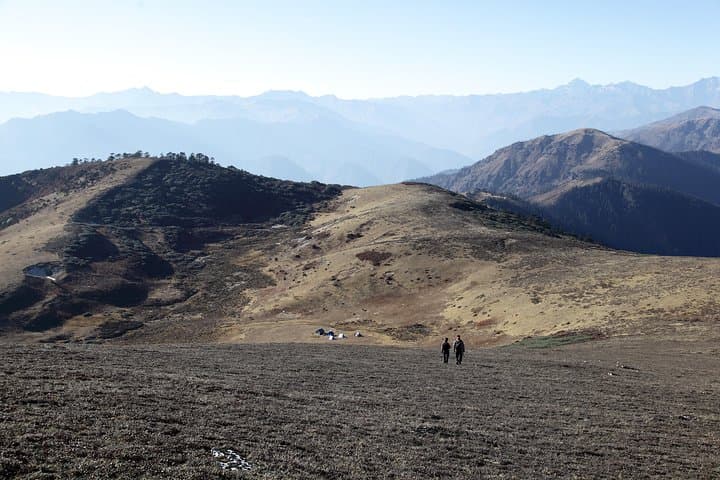
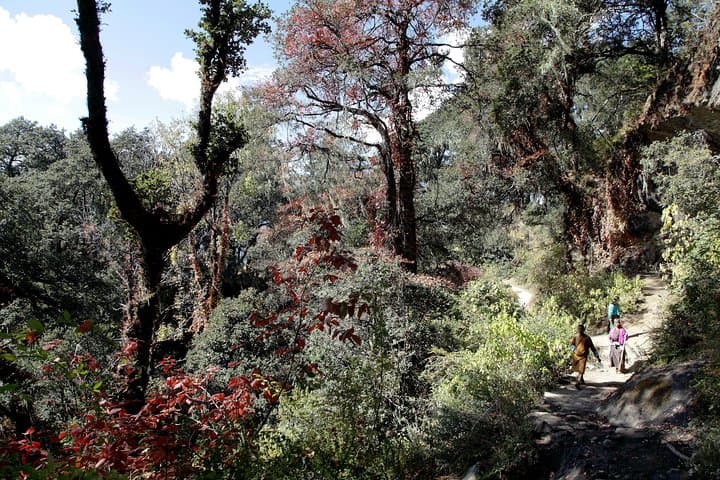
Practical notes: the standard itinerary covers four days of trekking (3 nights) with daily distances of roughly 11–14 km and daily moving times of 4–7 hours. Camps sit between ~3,770 m and 4,100 m, so acclimatization (the included Tiger’s Nest hike at Paro) matters. Terrain ranges from singletrack through blue-pine and rhododendron to open alpine meadows and rocky sidles; expect loose scree near higher cols.
Prepare warm layers, a quality sleeping bag, sturdy boots, and sun protection. Travel in the recommended seasons (late Feb–May, Sep–Dec), start early to avoid afternoon weather, and allow extra time for altitude adaptation—this route rewards steady pace and attention to hydration.
challenging.
4 days (3 nights).
Suitable for trekkers with good cardiovascular fitness and prior multi-day hiking experience; altitude tolerance important.
All visitors to Bhutan must have a visa arranged through a licensed tour operator; the tour typically handles Bhutan’s Sustainable Development Fee and visa processing.
The route reaches camps around 4,100 m; acute mountain sickness is possible—acclimatize (the Tiger’s Nest hike helps), ascend slowly, hydrate, and report symptoms to guides immediately.
Expeditions commonly provide ponies or porters for luggage; personal daypacks should contain water, layers, and essentials—confirm weight limits with the operator.
Best windows are late February–May for spring blooms and September–December for clear autumn skies; monsoon months are generally avoided.
The trail follows ancient routes used by pilgrims and traders linking the Paro and Thimphu valleys; small dzongs and monasteries along the way reflect Bhutan’s medieval administrative routes.
Bhutan prioritizes conservation and regulated tourism; stick to marked campsites, minimize waste, and follow guide instructions to protect fragile alpine habitats.
Bhutan Best InBound Tour operates guided outdoor trips and adventures with an emphasis on safety, stewardship, and memorable experiences.
A cool morning in Paro, the valley still holding last night’s mist, sets the tone for the Druk Path Trek: a compact, high-country passage that moves from arid valley floor into alpine lakes and rhododendron groves. You begin at Damchena (≈2,900 m), push through steep switchbacks and forests, and camp beneath skies that seem closer at 4,100 meters.
A cool morning in Paro, the valley still holding last night’s mist, sets the tone for the Druk Path Trek: a compact, high-country passage that moves from arid valley floor into alpine lakes and rhododendron groves. You begin at Damchena (≈2,900 m), push through steep switchbacks and forests, and camp beneath skies that seem closer at 4,100 meters.
The route follows ancient mule tracks that linked Paro and Thimphu, visiting small dzongs and monastic outposts such as Jela Dzong. Geologically the trail rides the southern edge of the Greater Himalaya—steep relief, glacially-carved basins, and scattered moraine lakes like Jigme Langtsho and Jimilang Tsho. Culturally, the trail gives regular glimpses of Bhutanese mountain life: yak herders’ seasonal camps, prayer flags marking passes, and the chance to see Mount Gangkar Puensum on clear days—an unclimbed giant that frames the skyline.
Practical notes: the standard itinerary covers four days of trekking (3 nights) with daily distances of roughly 11–14 km and daily moving times of 4–7 hours. Camps sit between ~3,770 m and 4,100 m, so acclimatization (the included Tiger’s Nest hike at Paro) matters. Terrain ranges from singletrack through blue-pine and rhododendron to open alpine meadows and rocky sidles; expect loose scree near higher cols.
Prepare warm layers, a quality sleeping bag, sturdy boots, and sun protection. Travel in the recommended seasons (late Feb–May, Sep–Dec), start early to avoid afternoon weather, and allow extra time for altitude adaptation—this route rewards steady pace and attention to hydration.