THE ADVENTURE COLLECTIVE® · Independent discovery and booking for outdoor travel

Ride New Zealand’s only mountain railway through regenerating native forest on a 75‑minute tour hand-built by potter-engineer Barry Brickell. Cross bridges, pass through tunnels and climb to the EyeFull Tower while guides link art, geology and conservation.
Ride New Zealand’s only mountain railway through regenerating native forest on a 75‑minute tour hand-built by potter-engineer Barry Brickell. Cross bridges, pass through tunnels and climb to the EyeFull Tower while guides link art, geology and conservation.
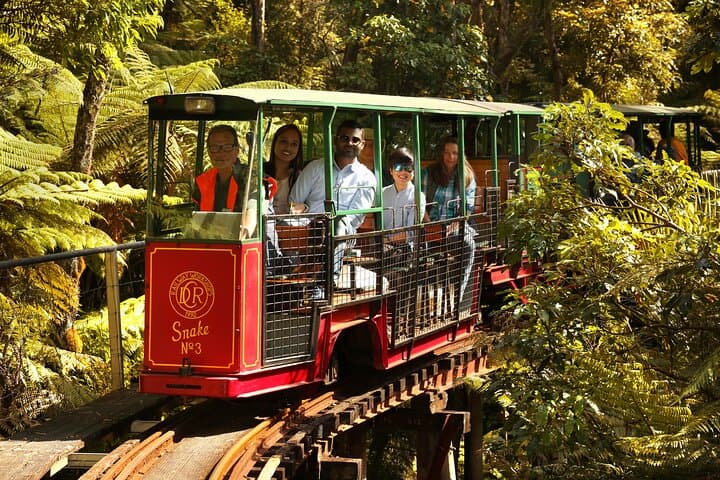
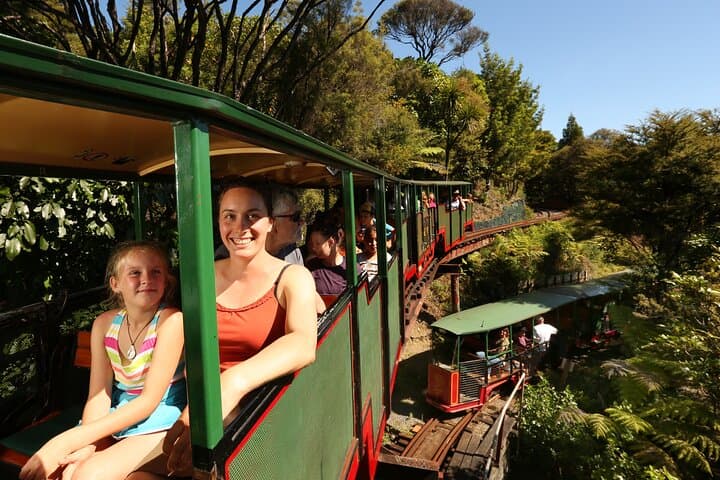
The carriage rocks and the forest leans closer — leaves chatter, a tui answers, and the narrow-gauge train threads a hand-built route up a steep Coromandel spur. You feel the rhythm of Barry Brickell’s craft: each bridge, curve and tunnel bears the careful geometry of an artist who engineered a railway to follow the land rather than tame it.
Verified experiences and guided adventures in the surrounding area.
Operated by Driving Creek · Coromandel, Waikato
The carriage rocks and the forest leans closer — leaves chatter, a tui answers, and the narrow-gauge train threads a hand-built route up a steep Coromandel spur. You feel the rhythm of Barry Brickell’s craft: each bridge, curve and tunnel bears the careful geometry of an artist who engineered a railway to follow the land rather than tame it.
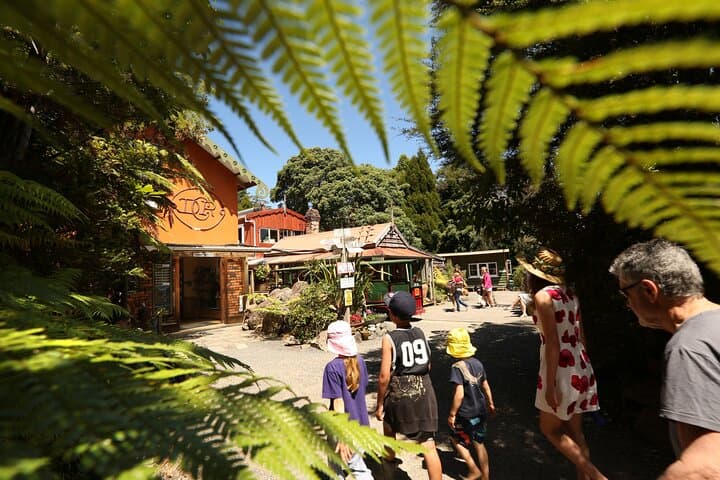
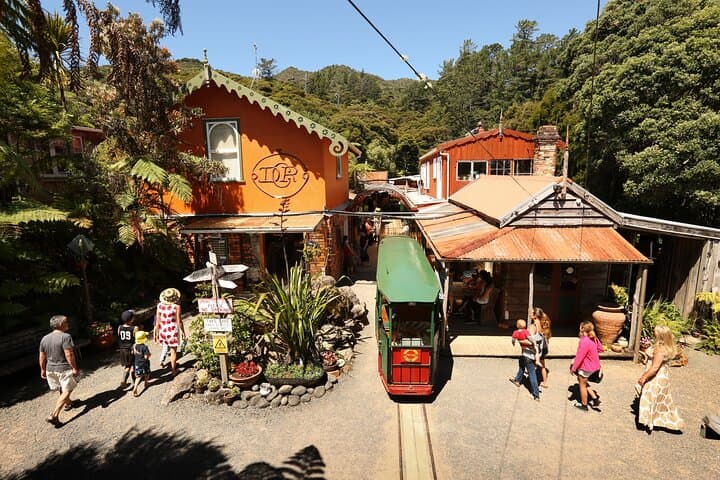
This is Driving Creek Railway, a 75-minute ascent through regenerating native bush on New Zealand’s Coromandel Peninsula. The route climbs volcanic clay-rich slopes and skims old kauri and tōtara stands, offering broad views from the EyeFull Tower over ridges scarred by ancient eruptions and later, by logging and mining. The site combines pottery, engineering and conservation; Brickell’s kiln and studio remain part gallery, part working workshop, and guides weave stories of local Māori connections, settler industry, and a mid‑20th‑century artist’s determination to restore habitat.
Along the way you’ll cross ten bridges and pass through three tunnels, alert for kererū thudding past or fantails flitting the carriage windows. The experience is family-friendly and wheelchair accessible; profits support ongoing replanting and predator control on the property.
Practical notes: tours run year-round and last about 75 minutes — bring a weatherproof layer and a camera with a zoom. Arrive early to visit the pottery and ask about volunteer conservation work if you want deeper engagement. Because the railway climbs exposed slopes, check weather before you go: heavy rain can affect operations. Whether you come for the craft, the views, or the birdsong, Driving Creek is an engineered, living landscape that rewards a slow, observant pace.
easy.
1–1.5 hours.
Suitable for travelers of most fitness levels; minimal walking required beyond short platform access.
The standard tour runs approximately 75 minutes and includes the round trip, viewpoints and narrated history by guides.
Yes — the facility and transport options are wheelchair accessible; contact the operator if you need assistance boarding.
Tours operate year-round but can be cancelled in severe weather; check the operator's cancellation policy for refunds or rebooking options.
Yes — the ride is family-friendly and suitable for children; infants may be required to sit on an adult’s lap per operator rules.
The railway and pottery were built by potter-engineer Barry Brickell as a creative and conservation project that repurposed steep, degraded land into a working forest and cultural attraction.
The site operates with a not-for-profit ethos: tour income supports native replanting and pest-management efforts to restore biodiversity on the slopes.
Driving Creek operates guided outdoor trips and adventures with an emphasis on safety, stewardship, and memorable experiences.
The carriage rocks and the forest leans closer — leaves chatter, a tui answers, and the narrow-gauge train threads a hand-built route up a steep Coromandel spur. You feel the rhythm of Barry Brickell’s craft: each bridge, curve and tunnel bears the careful geometry of an artist who engineered a railway to follow the land rather than tame it.
The carriage rocks and the forest leans closer — leaves chatter, a tui answers, and the narrow-gauge train threads a hand-built route up a steep Coromandel spur. You feel the rhythm of Barry Brickell’s craft: each bridge, curve and tunnel bears the careful geometry of an artist who engineered a railway to follow the land rather than tame it.
This is Driving Creek Railway, a 75-minute ascent through regenerating native bush on New Zealand’s Coromandel Peninsula. The route climbs volcanic clay-rich slopes and skims old kauri and tōtara stands, offering broad views from the EyeFull Tower over ridges scarred by ancient eruptions and later, by logging and mining. The site combines pottery, engineering and conservation; Brickell’s kiln and studio remain part gallery, part working workshop, and guides weave stories of local Māori connections, settler industry, and a mid‑20th‑century artist’s determination to restore habitat.
Along the way you’ll cross ten bridges and pass through three tunnels, alert for kererū thudding past or fantails flitting the carriage windows. The experience is family-friendly and wheelchair accessible; profits support ongoing replanting and predator control on the property.
Practical notes: tours run year-round and last about 75 minutes — bring a weatherproof layer and a camera with a zoom. Arrive early to visit the pottery and ask about volunteer conservation work if you want deeper engagement. Because the railway climbs exposed slopes, check weather before you go: heavy rain can affect operations. Whether you come for the craft, the views, or the birdsong, Driving Creek is an engineered, living landscape that rewards a slow, observant pace.