THE ADVENTURE COLLECTIVE® · Independent discovery and booking for outdoor travel

A full-day private drive from Bucharest along Romania’s legendary Transfăgărășan to glacier-formed Bâlea Lake. Expect dramatic switchbacks, a high-altitude lake lunch, Vidraru Dam views and roadside glimpses of Poienari Fortress.
A full-day private drive from Bucharest along Romania’s legendary Transfăgărășan to glacier-formed Bâlea Lake. Expect dramatic switchbacks, a high-altitude lake lunch, Vidraru Dam views and roadside glimpses of Poienari Fortress.
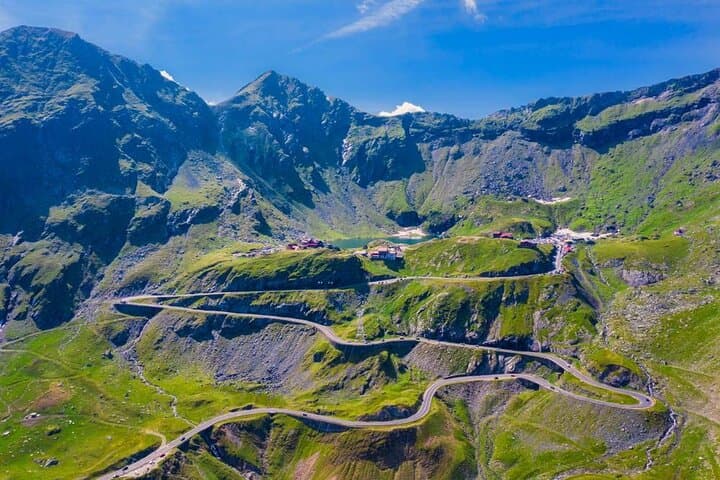
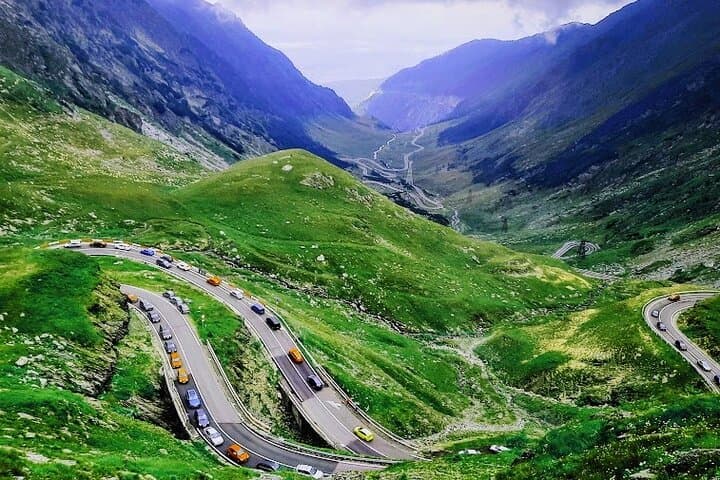
You start the day leaving Bucharest as the city falls behind and the Carpathians grow teeth on the horizon. The Transfăgărășan road climbs in a series of hairpins and long, exposed sweepers that challenge the driver and reward the passenger: granite ridges, abrupt cornices and alpine meadows unfurl with every switchback.
Verified experiences and guided adventures in the surrounding area.
Operated by Day Trip Romania · Bâlea Lake, Sibiu County
You start the day leaving Bucharest as the city falls behind and the Carpathians grow teeth on the horizon. The Transfăgărășan road climbs in a series of hairpins and long, exposed sweepers that challenge the driver and reward the passenger: granite ridges, abrupt cornices and alpine meadows unfurl with every switchback.
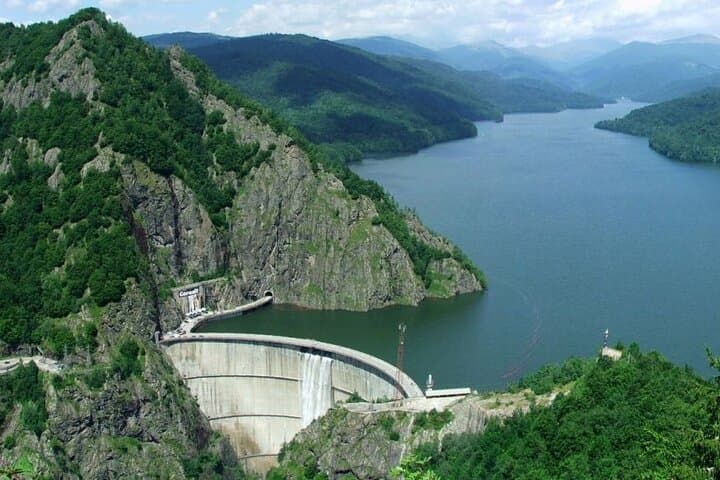
The route itself is modern engineering cut into ancient geology — a paved pass that tops out near 2,042 m and threads through glacial cirques. Bâlea Lake, a high-altitude glacier basin at about 2,034 m, sits cold and calm; its surface reflects the slope-and-plateau landscape carved during the last ice age. Along the way you’ll pass Vidraru Dam, an imposing 166 m arch dam built in the 1960s, and the roadside ruins of Poienari Fortress, a steep-walled keep connected to the era of Vlad the Impaler.
Cultural and natural notes are immediate: shepherding and seasonal pasture use still shape the slopes, mountain rescue (Salvamont) monitors the area, and brown bears occupy the forests below, so sightings are possible from a safe distance.
Practical guidance: the full day is long but low-impact — most of the activity is scenic stops, short walks to vantage points, and a lakeside lunch. Dress in layers (mountain weather is distinctly colder than Bucharest), bring water, and expect variable road exposure; the Transfăgărășan typically opens June–October. If you’re prone to motion sensitivity, pick a window seat; otherwise, plan for steady photo stops, fresh air, and easy access to well-marked viewpoints.
easy.
12 hours.
Suitable for people of most fitness levels; the day includes short, easy walks but largely consists of scenic stops from the vehicle.
This is a full-day private tour that departs from Bucharest and runs approximately 12 hours round-trip, including stops at Vidraru Dam, Transfăgărășan viewpoints and Bâlea Lake.
No — the tour provides a roadside viewpoint of Poienari Fortress; the itinerary does not include an interior visit or the steep climb to the citadel.
Yes, brown bears and other large mammals inhabit the surrounding forests; sightings occur but are unpredictable—always remain in the vehicle unless instructed otherwise by your guide.
The road is typically fully open from June through October depending on snowfall and maintenance; shoulder seasons may have closures or limited access.
The Transfăgărășan was built during the late 20th century as a strategic mountain route; Poienari Fortress is linked historically to Vlad the Impaler and sits above steep, defensible slopes.
The Făgăraș range supports sensitive alpine habitats and a recovering large‑carnivore population—stay on designated areas, pack out waste, and avoid disturbing wildlife.
Day Trip Romania operates guided outdoor trips and adventures with an emphasis on safety, stewardship, and memorable experiences.

You start the day leaving Bucharest as the city falls behind and the Carpathians grow teeth on the horizon. The Transfăgărășan road climbs in a series of hairpins and long, exposed sweepers that challenge the driver and reward the passenger: granite ridges, abrupt cornices and alpine meadows unfurl with every switchback.
You start the day leaving Bucharest as the city falls behind and the Carpathians grow teeth on the horizon. The Transfăgărășan road climbs in a series of hairpins and long, exposed sweepers that challenge the driver and reward the passenger: granite ridges, abrupt cornices and alpine meadows unfurl with every switchback.
The route itself is modern engineering cut into ancient geology — a paved pass that tops out near 2,042 m and threads through glacial cirques. Bâlea Lake, a high-altitude glacier basin at about 2,034 m, sits cold and calm; its surface reflects the slope-and-plateau landscape carved during the last ice age. Along the way you’ll pass Vidraru Dam, an imposing 166 m arch dam built in the 1960s, and the roadside ruins of Poienari Fortress, a steep-walled keep connected to the era of Vlad the Impaler.
Cultural and natural notes are immediate: shepherding and seasonal pasture use still shape the slopes, mountain rescue (Salvamont) monitors the area, and brown bears occupy the forests below, so sightings are possible from a safe distance.
Practical guidance: the full day is long but low-impact — most of the activity is scenic stops, short walks to vantage points, and a lakeside lunch. Dress in layers (mountain weather is distinctly colder than Bucharest), bring water, and expect variable road exposure; the Transfăgărășan typically opens June–October. If you’re prone to motion sensitivity, pick a window seat; otherwise, plan for steady photo stops, fresh air, and easy access to well-marked viewpoints.