THE ADVENTURE COLLECTIVE® · Independent discovery and booking for outdoor travel

Take a full-day private drive from Bucharest over the Transfăgărășan, one of Europe’s most dramatic mountain roads. Expect high alpine passes, short hikes, medieval ruins and engineered views along a roughly 90 km mountain crossing.
Take a full-day private drive from Bucharest over the Transfăgărășan, one of Europe’s most dramatic mountain roads. Expect high alpine passes, short hikes, medieval ruins and engineered views along a roughly 90 km mountain crossing.
You round a hairpin and the valley opens: a ribbon of asphalt climbs into limestone cliffs, alpine meadows, and the sudden glitter of a dammed lake. The Transfăgărășan — famously praised by motoring shows — is less a road than a choreographed climb through the Făgăraș Mountains, rising to about 2,034 m at its highest pass and slicing roughly 90 km across rugged ridge and carved viaduct.
Verified experiences and guided adventures in the surrounding area.
Operated by BookToursRomania · Bucharest, Argeș County
You round a hairpin and the valley opens: a ribbon of asphalt climbs into limestone cliffs, alpine meadows, and the sudden glitter of a dammed lake. The Transfăgărășan — famously praised by motoring shows — is less a road than a choreographed climb through the Făgăraș Mountains, rising to about 2,034 m at its highest pass and slicing roughly 90 km across rugged ridge and carved viaduct.
The route stitches together modern engineering and medieval echoes. Below the switchbacks sit Poienari Fortress ruins, the steep stronghold linked to Vlad the Impaler, while Curtea de Argeș holds a royal necropolis and Byzantine-influenced church architecture. Geologically, the pass cuts through sedimentary layers and glacial bowls; you’ll see steep scarps, scree slopes and high cirques that explain why the road is closed through winter until late spring.
Culturally the drive is rural Romania: shepherds in summer pastures, small roadside stands selling cheese and plum brandy, and village churches marking centuries of local life.
Practical guidance: expect a long day — typical itineraries from Bucharest run 10–13 hours with several photo and short-hike stops. Wear sturdy shoes for uneven viewpoints, carry water and layers against sudden mountain weather, and schedule the drive in summer or early fall when the pass is open. A private vehicle with a local guide handles logistics, parking and timing so you can focus on the views, the history, and the turns that make this route a driving experience as much as a destination.
moderate.
10–13 hours.
Moderate — you’ll be seated for long stretches with short, sometimes steep walks at viewpoints and ruins.
Drive time to the central section is about 3–4 hours each way depending on traffic and stops; the full tour typically runs 10–13 hours including sightseeing.
The high pass is usually open from late June through October, weather permitting; snow closures are common in spring and reopenings depend on clearance.
Most stops involve short hikes or steps to viewpoints (10–60 minutes); no technical climbing is required but good footwear is recommended.
Many tours include a lunch stop or picnic near scenic viewpoints; confirm dietary needs with your operator in advance.
The Transfăgărășan was built in the 1970s during Romania’s communist era to connect regions across the Făgăraș range and has strategic as well as scenic significance.
High-mountain ecosystems here are fragile; stick to marked roads and trails, avoid driving on shoulders, and pack out all waste to protect alpine meadows.
BookToursRomania operates guided outdoor trips and adventures with an emphasis on safety, stewardship, and memorable experiences.
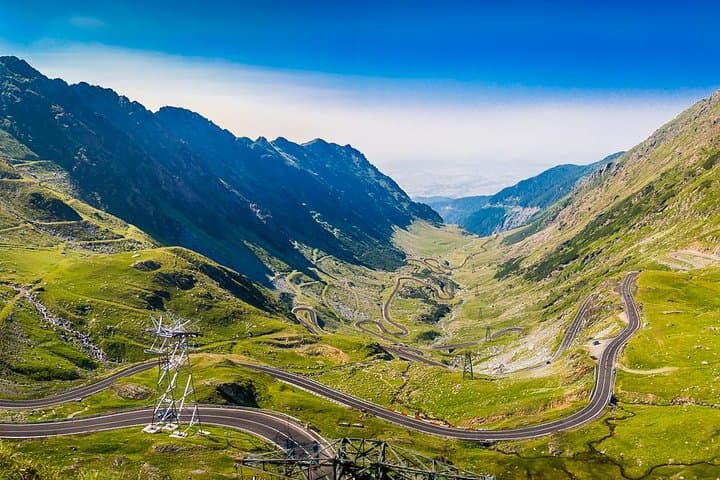
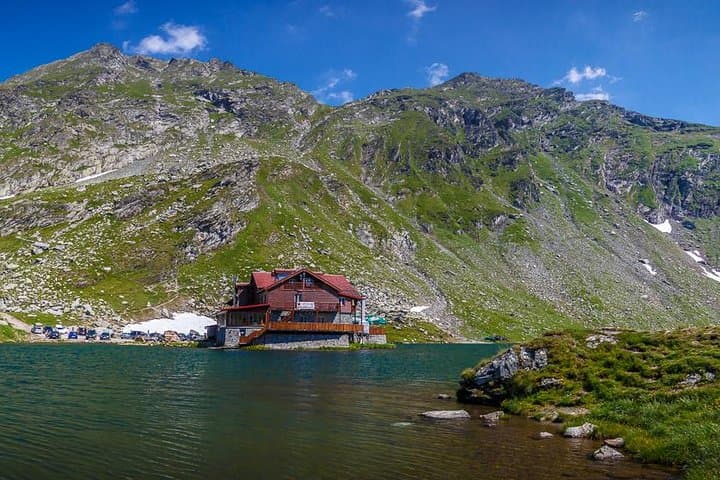
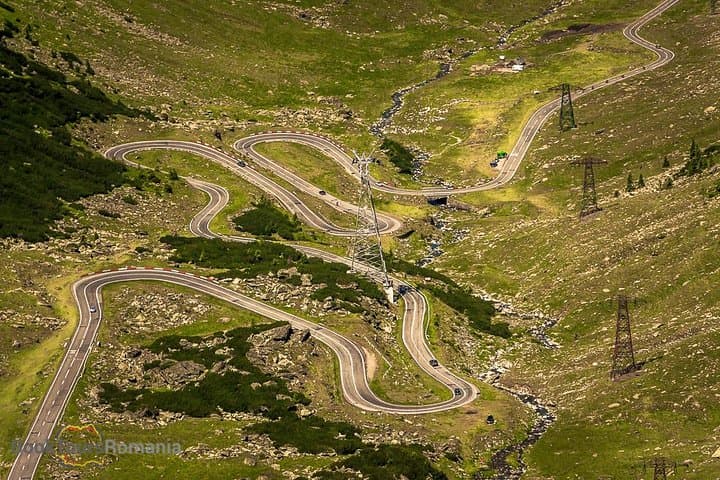
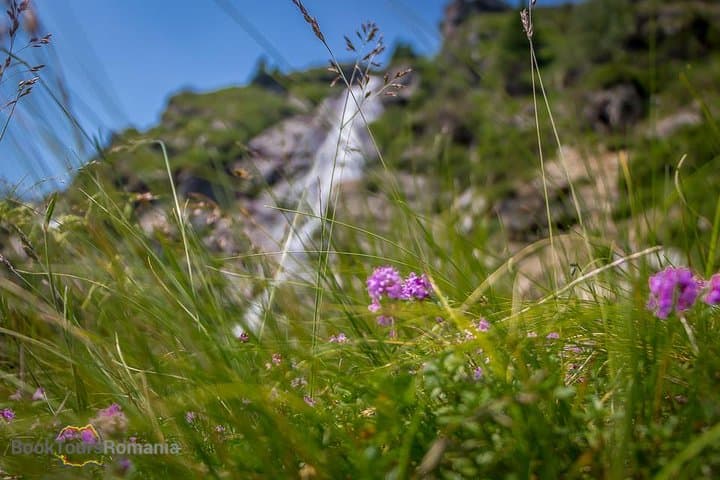
You round a hairpin and the valley opens: a ribbon of asphalt climbs into limestone cliffs, alpine meadows, and the sudden glitter of a dammed lake. The Transfăgărășan — famously praised by motoring shows — is less a road than a choreographed climb through the Făgăraș Mountains, rising to about 2,034 m at its highest pass and slicing roughly 90 km across rugged ridge and carved viaduct.
You round a hairpin and the valley opens: a ribbon of asphalt climbs into limestone cliffs, alpine meadows, and the sudden glitter of a dammed lake. The Transfăgărășan — famously praised by motoring shows — is less a road than a choreographed climb through the Făgăraș Mountains, rising to about 2,034 m at its highest pass and slicing roughly 90 km across rugged ridge and carved viaduct.
The route stitches together modern engineering and medieval echoes. Below the switchbacks sit Poienari Fortress ruins, the steep stronghold linked to Vlad the Impaler, while Curtea de Argeș holds a royal necropolis and Byzantine-influenced church architecture. Geologically, the pass cuts through sedimentary layers and glacial bowls; you’ll see steep scarps, scree slopes and high cirques that explain why the road is closed through winter until late spring.
Culturally the drive is rural Romania: shepherds in summer pastures, small roadside stands selling cheese and plum brandy, and village churches marking centuries of local life.
Practical guidance: expect a long day — typical itineraries from Bucharest run 10–13 hours with several photo and short-hike stops. Wear sturdy shoes for uneven viewpoints, carry water and layers against sudden mountain weather, and schedule the drive in summer or early fall when the pass is open. A private vehicle with a local guide handles logistics, parking and timing so you can focus on the views, the history, and the turns that make this route a driving experience as much as a destination.