THE ADVENTURE COLLECTIVE® · Independent discovery and booking for outdoor travel

Follow the high, twisting Transfăgărășan and UNESCO-listed wooden churches on a six-day sweep from Bucharest into Transylvania and Maramureș. This tour blends dramatic mountain drives, medieval citadels, and living village traditions with practical logistics and daily guest-house stays.
Follow the high, twisting Transfăgărășan and UNESCO-listed wooden churches on a six-day sweep from Bucharest into Transylvania and Maramureș. This tour blends dramatic mountain drives, medieval citadels, and living village traditions with practical logistics and daily guest-house stays.
You start on an early morning road out of Bucharest, the city shrinking behind you while the Carpathians loom ahead. The Transfăgărășan arcs up and into cloud, a hard-edged ribbon that dares you to keep pace; valleys open into pastures where wooden steeples pierce the skyline and rivers push forward with the blunt confidence of mountain water.
Verified experiences and guided adventures in the surrounding area.
Operated by Transylvania Discovery Tours · Bucharest, Bucharest
You start on an early morning road out of Bucharest, the city shrinking behind you while the Carpathians loom ahead. The Transfăgărășan arcs up and into cloud, a hard-edged ribbon that dares you to keep pace; valleys open into pastures where wooden steeples pierce the skyline and rivers push forward with the blunt confidence of mountain water.
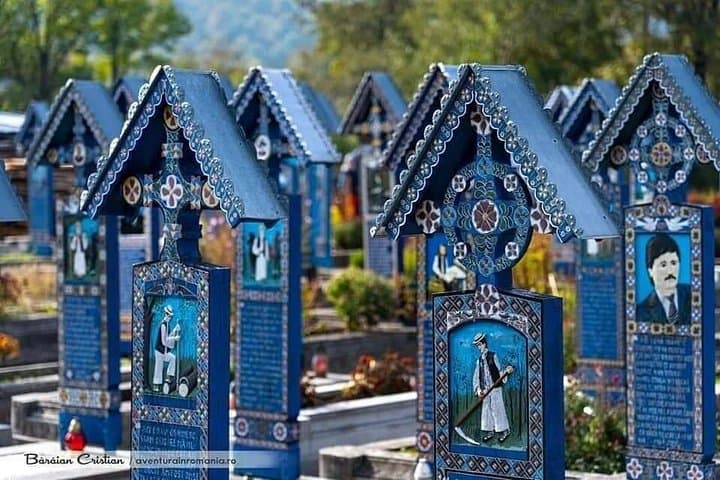
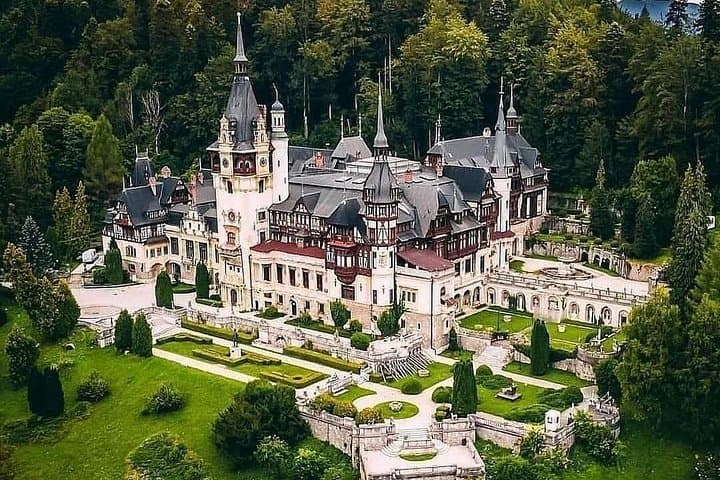
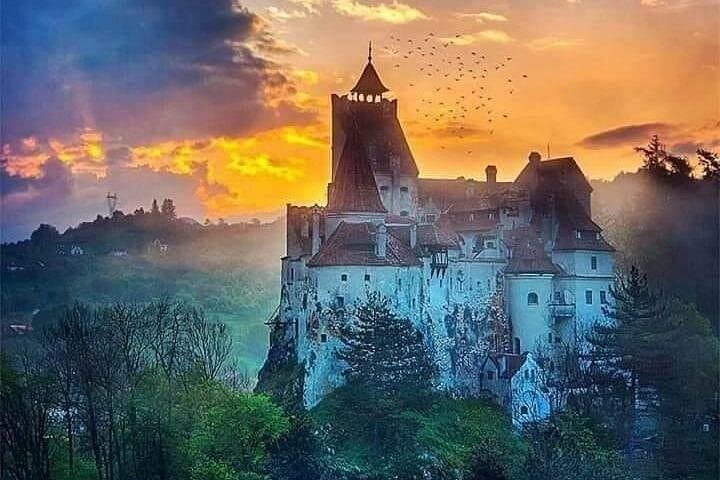
This route threads together Romania's layered history: Peles Castle’s late-19th-century neo-Renaissance polish from the era of King Carol I, Bran’s medieval ramparts and Dracula lore, and the Saxon towns of Sibiu and Sighişoara with their fortified churches. Maramureş preserves a rural carpentry tradition—tall, narrow wooden churches declared UNESCO sites—reflecting centuries of mountain craft and Orthodox ritual. Geologically, the Făgăraș and Rodna ranges are young-folded Carpathians of granite and schist, shaping steep passes and glacial cirques like Balea Lake.
Expect a balanced itinerary of drives and short walks: cobbled streets and citadel steps in Sighişoara, gentle paths to viewpoints at Bâlea and Curtea de Argeș, and village strolls in Viscri and Poienile Izei. Wildlife sightings are more likely in the distance—brown bears and chamois in wooded slopes—while rescued bears at the Sanctuary are visible from viewing platforms.
Practical corner: Transfăgărășan is usually open July 1–Oct 31; outside those dates, routes use the Olt Valley. Pack layered clothing, sturdy shoes for uneven village paths, and a rain shell. Expect comfortable guest-house accommodation, private transfers, and local breakfasts; bring small change for markets and tips for guides.
easy.
6 days.
Suitable for travelers in normal physical condition; days combine vehicle transfers with short walks and stair climbs
No—the high road is typically open July 1–Oct 31. Outside those months the itinerary travels via the lower Olt Valley to bypass closed mountain passes.
The tour includes hotel pickup/drop-off, professional guide, five nights' accommodation in guest houses or small hotels, private transfers, breakfasts and three dinners as stated—confirm specifics at booking.
Most days are driven with short to moderate walking: town tours, castle visits, and viewpoints; no technical hikes are required, and the program suits most fitness levels.
The sanctuary rehabilitates rescued brown bears and provides large forested enclosures; visits are from viewing platforms and help support ongoing care, though observe rules and respect animal welfare.
These regions reflect layered histories—Saxon towns established in medieval centuries, Peles Castle built under King Carol I in the 19th century, and Maramureş preserving wooden church carpentry passed down through generations.
Many sites are UNESCO-listed and managed to protect architecture and landscapes; practice low-impact touring—stay on paths, avoid littering, and support local businesses and conservation initiatives.
Transylvania Discovery Tours operates guided outdoor trips and adventures with an emphasis on safety, stewardship, and memorable experiences.
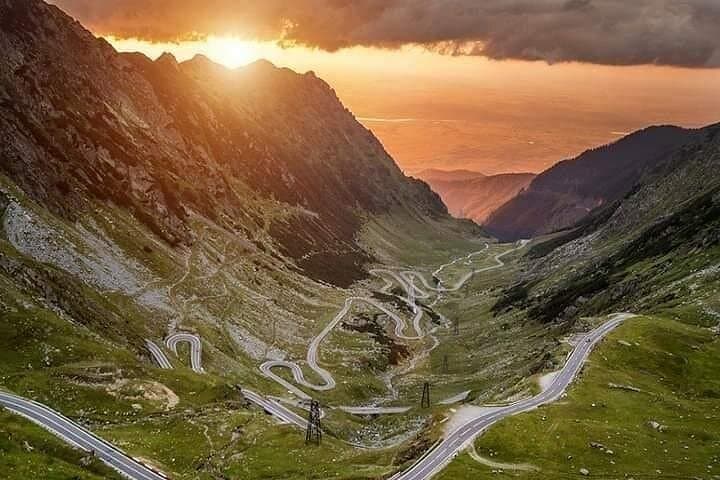
You start on an early morning road out of Bucharest, the city shrinking behind you while the Carpathians loom ahead. The Transfăgărășan arcs up and into cloud, a hard-edged ribbon that dares you to keep pace; valleys open into pastures where wooden steeples pierce the skyline and rivers push forward with the blunt confidence of mountain water.
You start on an early morning road out of Bucharest, the city shrinking behind you while the Carpathians loom ahead. The Transfăgărășan arcs up and into cloud, a hard-edged ribbon that dares you to keep pace; valleys open into pastures where wooden steeples pierce the skyline and rivers push forward with the blunt confidence of mountain water.
This route threads together Romania's layered history: Peles Castle’s late-19th-century neo-Renaissance polish from the era of King Carol I, Bran’s medieval ramparts and Dracula lore, and the Saxon towns of Sibiu and Sighişoara with their fortified churches. Maramureş preserves a rural carpentry tradition—tall, narrow wooden churches declared UNESCO sites—reflecting centuries of mountain craft and Orthodox ritual. Geologically, the Făgăraș and Rodna ranges are young-folded Carpathians of granite and schist, shaping steep passes and glacial cirques like Balea Lake.
Expect a balanced itinerary of drives and short walks: cobbled streets and citadel steps in Sighişoara, gentle paths to viewpoints at Bâlea and Curtea de Argeș, and village strolls in Viscri and Poienile Izei. Wildlife sightings are more likely in the distance—brown bears and chamois in wooded slopes—while rescued bears at the Sanctuary are visible from viewing platforms.
Practical corner: Transfăgărășan is usually open July 1–Oct 31; outside those dates, routes use the Olt Valley. Pack layered clothing, sturdy shoes for uneven village paths, and a rain shell. Expect comfortable guest-house accommodation, private transfers, and local breakfasts; bring small change for markets and tips for guides.