THE ADVENTURE COLLECTIVE® · Independent discovery and booking for outdoor travel

A scenic, self-guided driving tour from Potter Marsh (Anchorage) to downtown Seward that pairs dramatic coastal views with wildlife stops, marine science centers, and roadside geology. Plan for 3–3.5 hours of driving plus time for viewpoints, short walks, and interpretive stops.
A scenic, self-guided driving tour from Potter Marsh (Anchorage) to downtown Seward that pairs dramatic coastal views with wildlife stops, marine science centers, and roadside geology. Plan for 3–3.5 hours of driving plus time for viewpoints, short walks, and interpretive stops.
You pull onto the shoulder at Potter Marsh as a gray light softens the spruce and tundra reeds. The road unfurls southward, cliffs and coastal flats trading places with snow-scarred peaks; Turnagain Arm narrows into a steel ribbon where the tide runs hard and the water seems to dare you closer.
Verified experiences and guided adventures in the surrounding area.
Operated by VoiceMap Audio Tours · Anchorage, Alaska
You pull onto the shoulder at Potter Marsh as a gray light softens the spruce and tundra reeds. The road unfurls southward, cliffs and coastal flats trading places with snow-scarred peaks; Turnagain Arm narrows into a steel ribbon where the tide runs hard and the water seems to dare you closer.
The Seward Highway traces paths carved by ice and human hands—glacially sculpted fjords, moraines, and braided rivers that guided Indigenous Dena'ina communities and later prospectors and road builders. The route climbs to Turnagain Pass (roughly 900 ft/275 m) before descending into the Kenai Mountains, a corridor of wildlife where beluga whales visit the silty shallows and Dall sheep appear on near-sea-level cliffs.
Culture here is practical and place-based: small coastal towns, roadside interpretive signs, and the Alaska SeaLife Center in Seward, which documents marine rescue and research. Geology is visible at every turn—U-shaped valleys, hanging glaciers, and tide-swept benches.
Practical guidance: the full drive from Anchorage to Seward is about 125 miles and typically takes 3–3.5 hours without stops; allow a full day to visit viewpoints and centers. Download the self-guided audio before you leave, bring binoculars and a full tank of gas, and plan stops for low-tide windows if you want the bore tide and beluga sightings. Weather shifts fast—layer, carry waterproofs, and keep a paper map or offline GPS in case of spotty service. Respect wildlife distances, pack out everything, and schedule visits to the Alaska Wildlife Conservation Center or the SeaLife Center if you want hands-on learning without rushing the road.
easy.
3–3.5 hours (drive only); allow a full day for stops).
No special fitness required for the drive; walking options at boardwalks and centers are short and accessible.
The driving distance is about 125 miles; direct driving takes roughly 3 to 3.5 hours, but allow a full day to stop at viewpoints, wildlife centers, and the SeaLife Center.
Belugas are most often seen in Turnagain Arm around low tide when shallow, silty waters concentrate prey—check local tide tables and plan stops like Beluga Point accordingly.
The audio tour works year-round, but winter road conditions, limited daylight, and snow require cautious driving, winter tires, and contingency plans; check road status before travel.
No—admission to the Alaska Wildlife Conservation Center and the Alaska SeaLife Center is not included; plan for separate tickets if you intend to enter.
The Seward Highway follows routes shaped by glaciation and earlier Native trails and was completed in stages to link Anchorage with the Kenai Peninsula and port facilities at Seward.
This corridor hosts sensitive coastal and marine habitats; stick to marked viewpoints, carry out trash, and support local rescue and rehab centers like the Alaska SeaLife Center and the Wildlife Conservation Center.
VoiceMap Audio Tours operates guided outdoor trips and adventures with an emphasis on safety, stewardship, and memorable experiences.
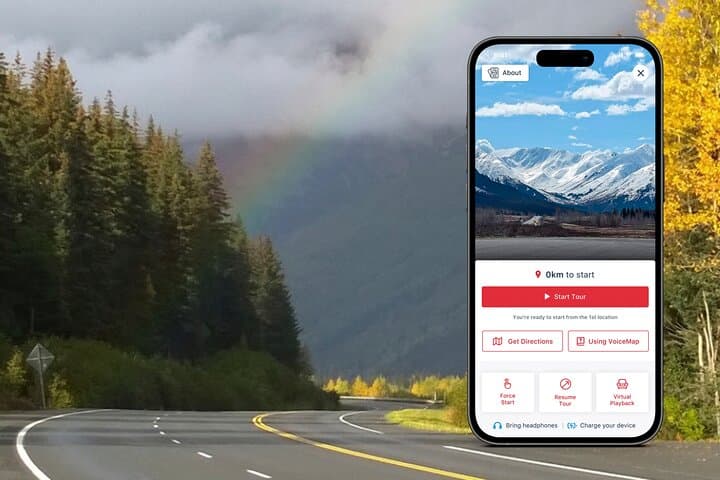
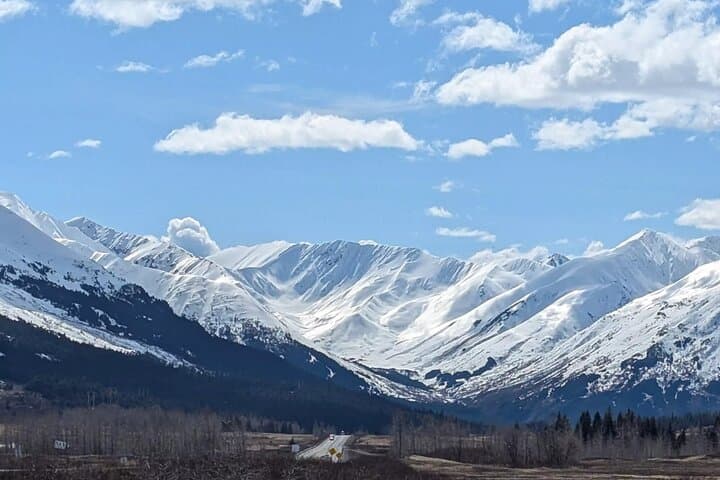
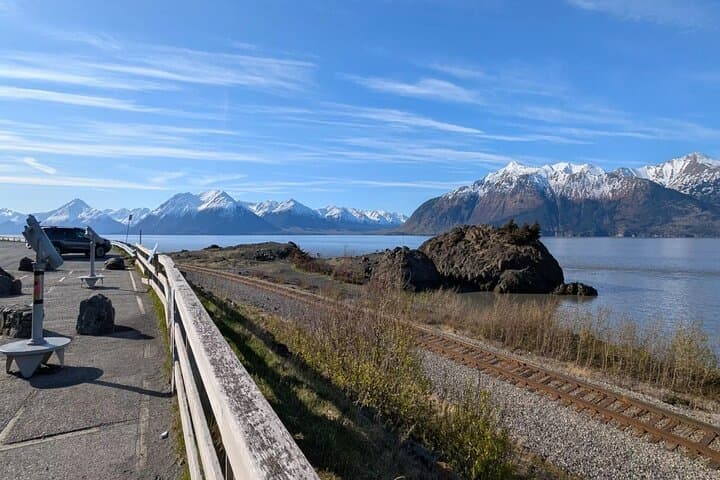
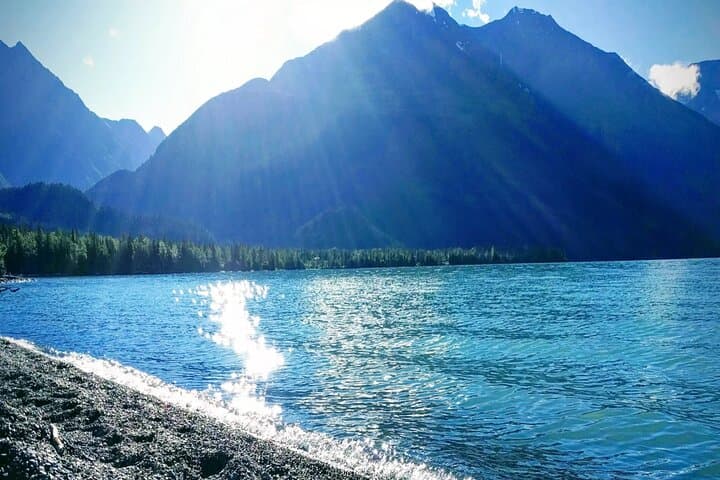
You pull onto the shoulder at Potter Marsh as a gray light softens the spruce and tundra reeds. The road unfurls southward, cliffs and coastal flats trading places with snow-scarred peaks; Turnagain Arm narrows into a steel ribbon where the tide runs hard and the water seems to dare you closer.
You pull onto the shoulder at Potter Marsh as a gray light softens the spruce and tundra reeds. The road unfurls southward, cliffs and coastal flats trading places with snow-scarred peaks; Turnagain Arm narrows into a steel ribbon where the tide runs hard and the water seems to dare you closer.
The Seward Highway traces paths carved by ice and human hands—glacially sculpted fjords, moraines, and braided rivers that guided Indigenous Dena'ina communities and later prospectors and road builders. The route climbs to Turnagain Pass (roughly 900 ft/275 m) before descending into the Kenai Mountains, a corridor of wildlife where beluga whales visit the silty shallows and Dall sheep appear on near-sea-level cliffs.
Culture here is practical and place-based: small coastal towns, roadside interpretive signs, and the Alaska SeaLife Center in Seward, which documents marine rescue and research. Geology is visible at every turn—U-shaped valleys, hanging glaciers, and tide-swept benches.
Practical guidance: the full drive from Anchorage to Seward is about 125 miles and typically takes 3–3.5 hours without stops; allow a full day to visit viewpoints and centers. Download the self-guided audio before you leave, bring binoculars and a full tank of gas, and plan stops for low-tide windows if you want the bore tide and beluga sightings. Weather shifts fast—layer, carry waterproofs, and keep a paper map or offline GPS in case of spotty service. Respect wildlife distances, pack out everything, and schedule visits to the Alaska Wildlife Conservation Center or the SeaLife Center if you want hands-on learning without rushing the road.