THE ADVENTURE COLLECTIVE® · Independent discovery and booking for outdoor travel

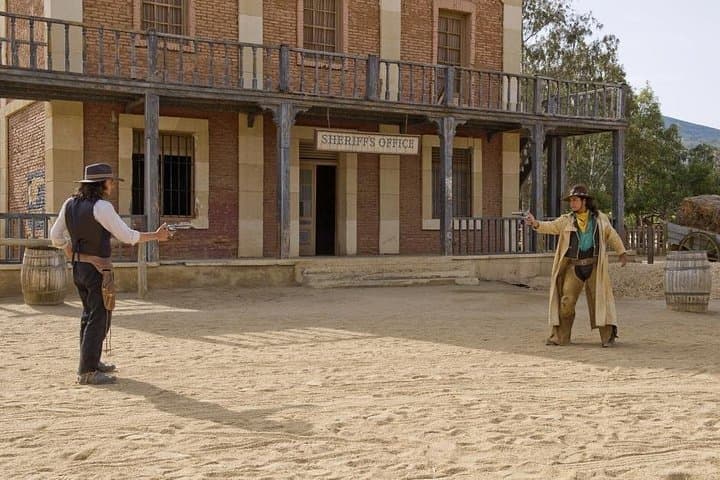
Climb the Black Mountains from Kingman along historic Route 66 and arrive in Oatman, a living mining town where burros stroll the main street and staged gunfights keep the past loud. This seven-hour drive-and-walk loop blends geology, frontier history, and scenic overlooks where three states brush the horizon.
Climb the Black Mountains from Kingman along historic Route 66 and arrive in Oatman, a living mining town where burros stroll the main street and staged gunfights keep the past loud. This seven-hour drive-and-walk loop blends geology, frontier history, and scenic overlooks where three states brush the horizon.
The road peels away from Kingman and climbs into the Black Mountains, every turn opening onto a new slice of desert—sun-baked rock faces that dare you to look farther, scrub pines clinging to scree, and a valley where the state lines seem to argue over the horizon.
Verified experiences and guided adventures in the surrounding area.
The road peels away from Kingman and climbs into the Black Mountains, every turn opening onto a new slice of desert—sun-baked rock faces that dare you to look farther, scrub pines clinging to scree, and a valley where the state lines seem to argue over the horizon.
This full-day excursion begins at the Route 66 Visitors Center & Museum in Kingman, a practical primer on the highway’s 20th-century boom. From there the route threads along narrow, twisty asphalt carved into volcanic and metamorphic uplifts that expose the region’s mining past. Oatman itself is a preserved mining town turned performance stage: wooden storefronts, staged gunfighter shows, and hardy donkeys that roam the main drag—descendants of pack animals once used in the mines.
Geology fans will note oxidized iron stains and veins of quartz in roadside outcrops; history-minded travelers will appreciate the 1900s gold rush footprints and the town’s revival by Route 66 tourism. Culture here is raw and local—shopkeepers, re-enactors, and a small community that manages tourism year-round.
Practical guidance: expect a 7-hour day with long driving segments and short, uneven walks in Oatman. Wear sturdy shoes for cobbled sidewalks and steep pullouts, carry 1–2 liters of water per person, and use sun protection—the desert sun is relentless. Cellular service is intermittent; bring cash for small purchases. Plan for photo stops, slow-moving burros on the road, and narrow parking; arriving mid-morning helps avoid the hottest, busiest hours. This trip combines accessible history, dramatic desert geology, and a sense of the Old West—rough, amusing, and unmistakably place-based.
easy.
6–8 hours.
Light to moderate—suitable for people comfortable with several short walks, stairs, and getting in/out of vehicles.
The tour runs about seven hours total with several hours of scenic driving through the Black Mountains and multiple short stops in Oatman and overlooks.
Feeding tourist-provided food is discouraged; burros are used to handouts but packaged food can be harmful—follow signage and staff guidance.
Cell service is intermittent in the mountains; restrooms are available in Kingman and in Oatman at designated public spots, but facilities are limited elsewhere.
Yes—it's family-friendly and low-impact, though guests should be prepared for vehicle motion, short uphill walks, and heat exposure in summer.
Oatman began as a gold-mining camp in the early 20th century; its revival owes much to Route 66 travelers and a small preservation-minded community.
The area is semi-arid and fragile—stay on authorized roads, pack out trash, and avoid disturbing burros and desert flora to minimize visitor impact.
The road peels away from Kingman and climbs into the Black Mountains, every turn opening onto a new slice of desert—sun-baked rock faces that dare you to look farther, scrub pines clinging to scree, and a valley where the state lines seem to argue over the horizon.
The road peels away from Kingman and climbs into the Black Mountains, every turn opening onto a new slice of desert—sun-baked rock faces that dare you to look farther, scrub pines clinging to scree, and a valley where the state lines seem to argue over the horizon.
This full-day excursion begins at the Route 66 Visitors Center & Museum in Kingman, a practical primer on the highway’s 20th-century boom. From there the route threads along narrow, twisty asphalt carved into volcanic and metamorphic uplifts that expose the region’s mining past. Oatman itself is a preserved mining town turned performance stage: wooden storefronts, staged gunfighter shows, and hardy donkeys that roam the main drag—descendants of pack animals once used in the mines.
Geology fans will note oxidized iron stains and veins of quartz in roadside outcrops; history-minded travelers will appreciate the 1900s gold rush footprints and the town’s revival by Route 66 tourism. Culture here is raw and local—shopkeepers, re-enactors, and a small community that manages tourism year-round.
Practical guidance: expect a 7-hour day with long driving segments and short, uneven walks in Oatman. Wear sturdy shoes for cobbled sidewalks and steep pullouts, carry 1–2 liters of water per person, and use sun protection—the desert sun is relentless. Cellular service is intermittent; bring cash for small purchases. Plan for photo stops, slow-moving burros on the road, and narrow parking; arriving mid-morning helps avoid the hottest, busiest hours. This trip combines accessible history, dramatic desert geology, and a sense of the Old West—rough, amusing, and unmistakably place-based.