THE ADVENTURE COLLECTIVE® · Independent discovery and booking for outdoor travel

A day drive from Denver that moves fast from Red Rocks’ sandstone amphitheater to the Mount Blue Sky Scenic Byway, climbing to the highest paved summit in North America. Expect dramatic geology, possible wildlife sightings, and practical altitude-focused guidance for a long alpine day.
A day drive from Denver that moves fast from Red Rocks’ sandstone amphitheater to the Mount Blue Sky Scenic Byway, climbing to the highest paved summit in North America. Expect dramatic geology, possible wildlife sightings, and practical altitude-focused guidance for a long alpine day.
You step out beneath the flag at Denver Union Station and the city’s flat grid falls away as the van threads toward foothills that seem to rise out of nowhere.
Verified experiences and guided adventures in the surrounding area.
Operated by Explorer Tours · Denver, Colorado
You step out beneath the flag at Denver Union Station and the city’s flat grid falls away as the van threads toward foothills that seem to rise out of nowhere.
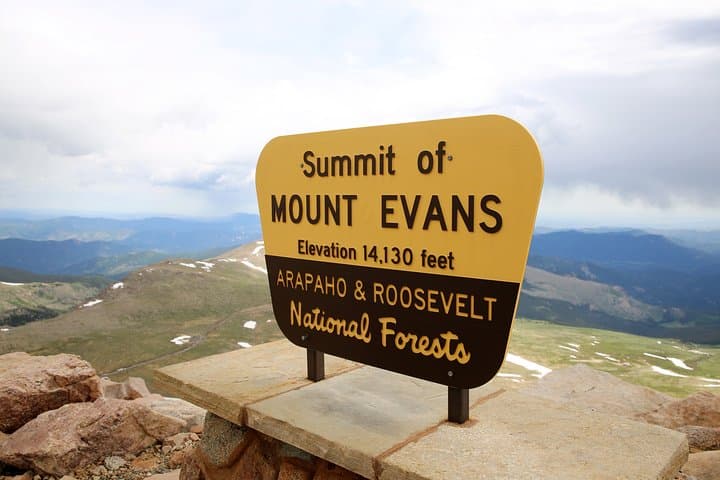
Within an hour red-brown walls of Red Rocks push up from the plains — a natural amphitheater that slices the sky and demands a pause. The driver eases back on the throttle and the road turns alpine: pines thin, wildflowers give way to rock, and the air becomes noticeably thinner. Over 28 miles of the Mount Blue Sky Scenic Byway the pavement climbs more than 7,000 feet to 14,130 feet, the highest paved road in North America. The tour parcels this ascent into manageable moments—quick stops at Echo Lake’s glassy edge, a picnic on glacial moraine, and time to photograph the amphitheater’s dramatic curves.
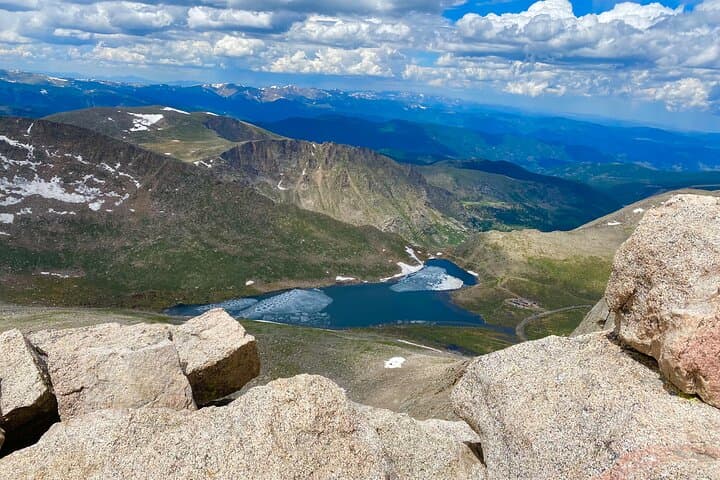
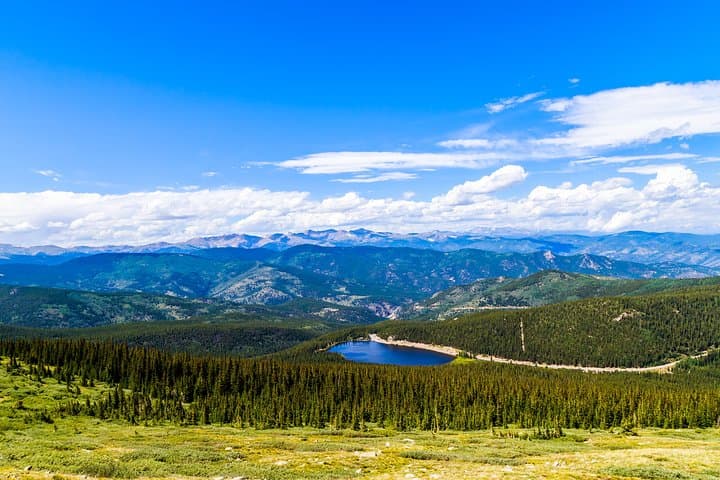
This route grew from early Denver Mountain Parks plans to link high-elevation parks with the foothills; the road itself cuts through geology shaped by ice and time. Echo Lake sits in a shallow basin dammed by lateral moraines left when glaciers retreated about 10,000 years ago. Red Rocks, a favored stop for generations of performers and listeners, offers both cultural history and an immediate geological lesson in tilted sedimentary beds.
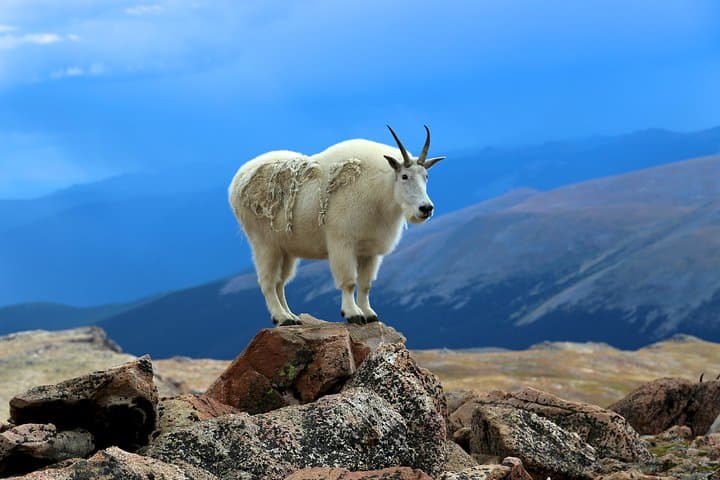
Wildlife here has an attitude: bighorn sheep and mountain goats often graze near turnouts, sure-footed above the breathless drop-offs, while marmots whistle warnings from talus slopes.
Practical guidance is straightforward. Altitude is the trip’s real variable — even a short walk at 12,000–14,000 feet can leave you breathless. Hydrate before you leave Denver, bring layered clothing (wind and sun are frequent companions), and carry a reusable water bottle — the tour provides refills. The drive/hike combo is suitable for most fitness levels but not recommended for those with serious heart or lung conditions. Road and summit access depend on weather; if the paved summit is closed the guide will take you to the highest accessible vantage point. Expect roughly 7–8 hours round-trip, with several stops for photos, interpretations, and a picnic lunch at Echo Lake (lunch options available by prior request).
For photographers, keep your wide-angle ready at the amphitheater and bring a zoom for wildlife. Timing matters: morning light softens the amphitheater, late afternoon warms the alpine rock. Wear traction-friendly shoes for short summit walks and respect fragile tundra — step only on established paths.
This tour is an efficient way to sample Colorado’s high-country geology, cultural landmarks, and wildlife on a single day—Denver at your back, summits and endless sky ahead.
moderate.
7–8 hours.
Able to spend several hours on a tour van with short, steep walks at high elevation; expect breathlessness during climbs.
No—summit access depends on weather and road conditions. If closed, the tour will drive to the highest accessible overlook and provide time for photos and short hikes.
The tour is suitable for most fitness levels, but you should be able to handle short steep walks at high elevation and sit in a vehicle for several hours.
Park entry fees are included in the tour price per the operator’s inclusions.
Lunch is provided (turkey, vegetarian, or gluten-free options—notify the operator beforehand); bring a reusable water bottle to use the van refill service.
Yes—bighorn sheep, mountain goats, and marmots are commonly observed from turnouts along the byway; sightings cannot be guaranteed.
The meeting point is the flagpole outside Denver Union Station (The Crawford Hotel) and the tour returns there at the end of the day.
The Mount Blue Sky Scenic Byway was developed as part of the Denver Mountain Parks plan to connect high-altitude parks with foothill greenspaces; Echo Lake itself formed when retreating glaciers left lateral moraines that dammed drainage.
Alpine tundra above treeline is fragile—stick to designated paths, pack out all trash, and avoid driving off-road; seasonal closures protect wildlife and restore vegetation.
Explorer Tours operates guided outdoor trips and adventures with an emphasis on safety, stewardship, and memorable experiences.
You step out beneath the flag at Denver Union Station and the city’s flat grid falls away as the van threads toward foothills that seem to rise out of nowhere.
You step out beneath the flag at Denver Union Station and the city’s flat grid falls away as the van threads toward foothills that seem to rise out of nowhere.
Within an hour red-brown walls of Red Rocks push up from the plains — a natural amphitheater that slices the sky and demands a pause. The driver eases back on the throttle and the road turns alpine: pines thin, wildflowers give way to rock, and the air becomes noticeably thinner. Over 28 miles of the Mount Blue Sky Scenic Byway the pavement climbs more than 7,000 feet to 14,130 feet, the highest paved road in North America. The tour parcels this ascent into manageable moments—quick stops at Echo Lake’s glassy edge, a picnic on glacial moraine, and time to photograph the amphitheater’s dramatic curves.
This route grew from early Denver Mountain Parks plans to link high-elevation parks with the foothills; the road itself cuts through geology shaped by ice and time. Echo Lake sits in a shallow basin dammed by lateral moraines left when glaciers retreated about 10,000 years ago. Red Rocks, a favored stop for generations of performers and listeners, offers both cultural history and an immediate geological lesson in tilted sedimentary beds.
Wildlife here has an attitude: bighorn sheep and mountain goats often graze near turnouts, sure-footed above the breathless drop-offs, while marmots whistle warnings from talus slopes.
Practical guidance is straightforward. Altitude is the trip’s real variable — even a short walk at 12,000–14,000 feet can leave you breathless. Hydrate before you leave Denver, bring layered clothing (wind and sun are frequent companions), and carry a reusable water bottle — the tour provides refills. The drive/hike combo is suitable for most fitness levels but not recommended for those with serious heart or lung conditions. Road and summit access depend on weather; if the paved summit is closed the guide will take you to the highest accessible vantage point. Expect roughly 7–8 hours round-trip, with several stops for photos, interpretations, and a picnic lunch at Echo Lake (lunch options available by prior request).
For photographers, keep your wide-angle ready at the amphitheater and bring a zoom for wildlife. Timing matters: morning light softens the amphitheater, late afternoon warms the alpine rock. Wear traction-friendly shoes for short summit walks and respect fragile tundra — step only on established paths.
This tour is an efficient way to sample Colorado’s high-country geology, cultural landmarks, and wildlife on a single day—Denver at your back, summits and endless sky ahead.