THE ADVENTURE COLLECTIVE® · Independent discovery and booking for outdoor travel

Race a go-kart through Akihabara’s neon nights, then step off the pavement for an expert-led tour of anime shops, arcades, and Kanda Myojin Shrine. This combines an hour of urban karting with a cultural walkthrough and local tips for continuing the adventure.
Race a go-kart through Akihabara’s neon nights, then step off the pavement for an expert-led tour of anime shops, arcades, and Kanda Myojin Shrine. This combines an hour of urban karting with a cultural walkthrough and local tips for continuing the adventure.
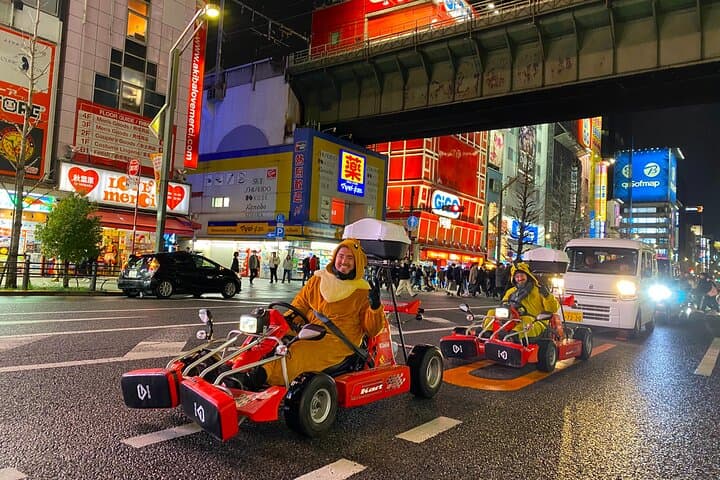
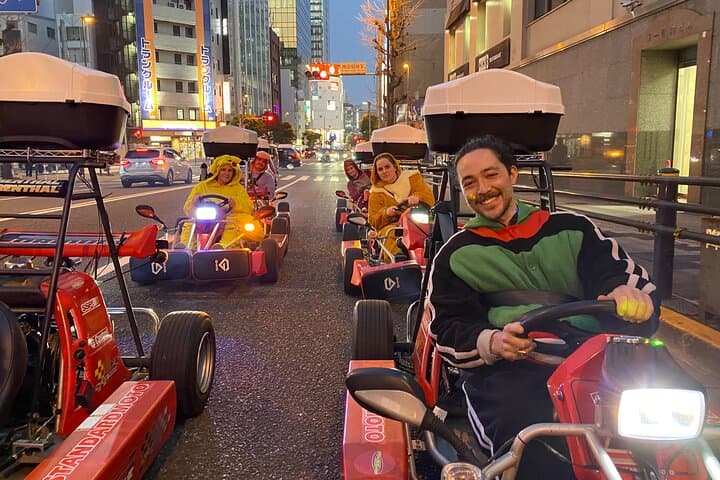
Engines hum and neon breathes over the pavement as a single-seat go-kart pulls out into Akihabara’s night. The district—billboards glaring, arcade lights pulsing—shrinks to a driver’s-eye view where lanes and storefronts race past and the city seems to dare you forward.
Verified experiences and guided adventures in the surrounding area.
Operated by Beauty of Japan · Tokyo, Tokyo
Engines hum and neon breathes over the pavement as a single-seat go-kart pulls out into Akihabara’s night. The district—billboards glaring, arcade lights pulsing—shrinks to a driver’s-eye view where lanes and storefronts race past and the city seems to dare you forward.
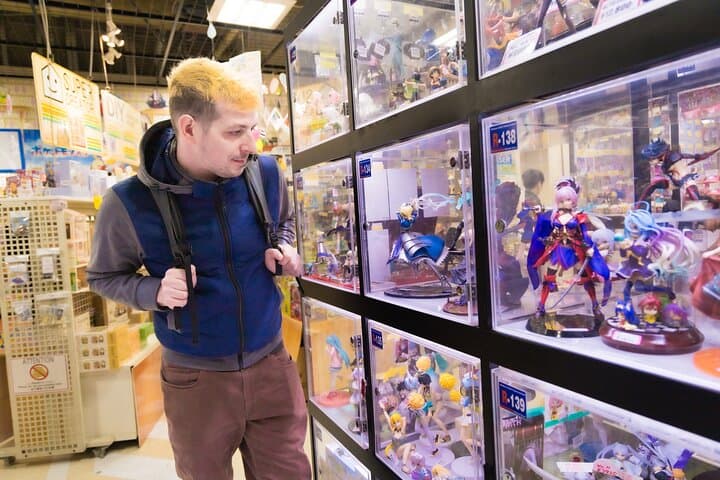
Akihabara grew from a post-war electronics market into Tokyo’s internationally known otaku quarter; its streets mix hobby shops, maid cafés, and arcades with a few centuries-old landmarks like Kanda Myojin Shrine, which appears in countless anime and still draws shrine-goers today. The area sits on the low Tokyo plain, a concrete grid that funnels sound and color into compact blocks—ideal for a short urban drive and a walking deep-dive into subculture. Expect stops at iconic retailers, hidden hobby stalls, and a guided interpretation of how gaming and anime culture shape local commerce.
Practically, this experience blends one hour of karting on controlled public routes with a guided walking tour and curated map. Riders must be 18+, 150–185 cm tall, under 100 kg, and present an acceptable driver’s license or international permit—bring passport if required. A mandatory 15–20 minute safety briefing precedes the road portion. Comfortable closed-toe shoes, attention to traffic rules, and arriving 10 minutes early will smooth check-in. In case of rain the operator refunds a portion of the kart fee; always confirm weather policies.
This is a compact, high-energy way to see Akihabara by night—part motorized adrenaline, part cultural primer—for visitors who can meet the documentation and physical requirements.
moderate.
2–3 hours.
Moderate fitness: able to sit and control a kart for an hour and walk the neighborhood for the guided portion.
Yes—participants must present an accepted license (Japanese, an International Driving Permit under the Geneva Convention plus passport, or an approved foreign license with Japanese translation). Check eligibility before booking.
Minimum age is 18. Height must be 150–185 cm and weight under 100 kg; these safety limits are strictly enforced.
If the go-kart portion is canceled for weather, the operator offers a partial refund for the kart fee (specified in yen); confirm exact refund amounts with the provider.
No prior experience is necessary—there is a mandatory safety briefing and instructors guide the on-road portion, but participants should have basic driving awareness.
Akihabara transitioned after WWII from a black market electronics hub to a global center for hobbyist culture; Kanda Myojin dates back over 1,000 years and is linked to local merchant and warrior patronage.
Respect local traffic rules and street cleanliness—discard waste at designated bins and follow guides’ instructions to minimize disruptive noise and congestion.
Beauty of Japan operates guided outdoor trips and adventures with an emphasis on safety, stewardship, and memorable experiences.

Engines hum and neon breathes over the pavement as a single-seat go-kart pulls out into Akihabara’s night. The district—billboards glaring, arcade lights pulsing—shrinks to a driver’s-eye view where lanes and storefronts race past and the city seems to dare you forward.
Engines hum and neon breathes over the pavement as a single-seat go-kart pulls out into Akihabara’s night. The district—billboards glaring, arcade lights pulsing—shrinks to a driver’s-eye view where lanes and storefronts race past and the city seems to dare you forward.
Akihabara grew from a post-war electronics market into Tokyo’s internationally known otaku quarter; its streets mix hobby shops, maid cafés, and arcades with a few centuries-old landmarks like Kanda Myojin Shrine, which appears in countless anime and still draws shrine-goers today. The area sits on the low Tokyo plain, a concrete grid that funnels sound and color into compact blocks—ideal for a short urban drive and a walking deep-dive into subculture. Expect stops at iconic retailers, hidden hobby stalls, and a guided interpretation of how gaming and anime culture shape local commerce.
Practically, this experience blends one hour of karting on controlled public routes with a guided walking tour and curated map. Riders must be 18+, 150–185 cm tall, under 100 kg, and present an acceptable driver’s license or international permit—bring passport if required. A mandatory 15–20 minute safety briefing precedes the road portion. Comfortable closed-toe shoes, attention to traffic rules, and arriving 10 minutes early will smooth check-in. In case of rain the operator refunds a portion of the kart fee; always confirm weather policies.
This is a compact, high-energy way to see Akihabara by night—part motorized adrenaline, part cultural primer—for visitors who can meet the documentation and physical requirements.