THE ADVENTURE COLLECTIVE® · Independent discovery and booking for outdoor travel

Drive across Crete’s interior to the Krousia hills, explore three Venetian cisterns, and skirt into Drakolaki cave for a hands-on caving experience. This private full-day tour blends geology, history, and moderate hiking—ideal for travelers based in Chania who want a compact underground adventure.
Drive across Crete’s interior to the Krousia hills, explore three Venetian cisterns, and skirt into Drakolaki cave for a hands-on caving experience. This private full-day tour blends geology, history, and moderate hiking—ideal for travelers based in Chania who want a compact underground adventure.
You leave the coast behind and drive inland, the road folding through olive groves and limestone ridges until the car slows at a scrubby plateau above Agios Ioannis (Sfakia). Air smells of dust and pine; the wind moves across the Krousia hills as if testing your boots. From a small parking spot you step onto a faint trail that threads through a mixed oak-pine wood, the path soft with leaf litter and the occasional slab of exposed rock.
Verified experiences and guided adventures in the surrounding area.
Operated by Pari Vigli · Agios Ioannis (Sfakia), Crete
You leave the coast behind and drive inland, the road folding through olive groves and limestone ridges until the car slows at a scrubby plateau above Agios Ioannis (Sfakia). Air smells of dust and pine; the wind moves across the Krousia hills as if testing your boots. From a small parking spot you step onto a faint trail that threads through a mixed oak-pine wood, the path soft with leaf litter and the occasional slab of exposed rock.
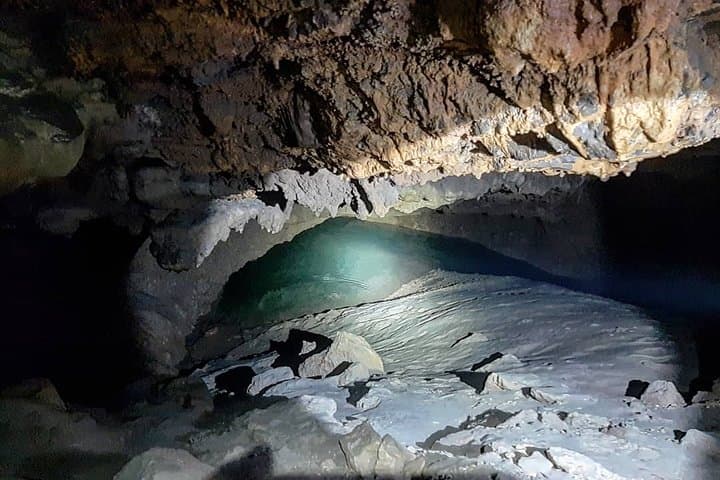
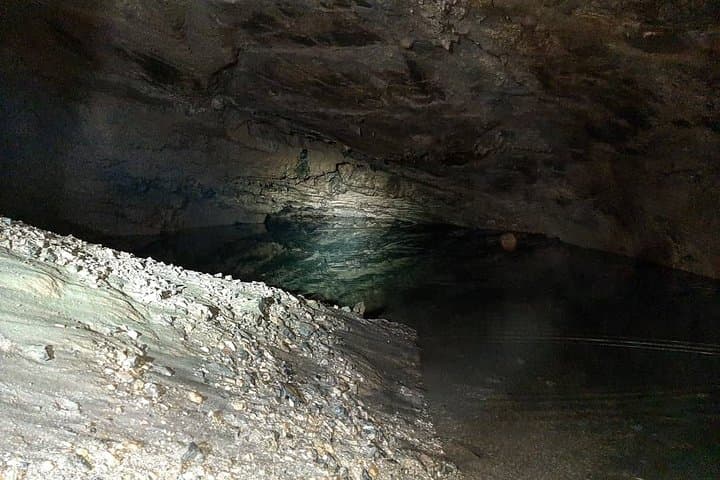
The route follows ancient lines: three Venetian cisterns sit like low stone coffers on the ridge, reminders of strategic supply networks during Crete’s island long struggle under Venetian rule. Geologically this is karst country—limestone carved by water so that caves open where rain has dissolved the rock over millennia. The cave entrance at Drakolaki is modest but real: a throat into cool darkness where basic excavation and scrambling reveal chambers and flowstone. Local culture here is quietly pastoral—shepherds’ tracks cut the hills and small chapels crest remoter knolls.
Expect 1.5 hours of hiking to the cave each way, plus an extended transfer (roughly two hours each direction from Chania). Practicalities matter: a reliable headlamp, sturdy shoes with grip for loose scree and muddy steps, and at least 2 liters of water. Weather can change quickly on the ridge—pack windproof layers and a light rain shell.
The experience pairs a scenic inland drive with short technical caving and moderate hiking—good for travelers with steady footing, a sense of curiosity, and respect for fragile cave environments.
moderate.
8 hours (including transfers).
Good steady fitness; able to hike 1–2 hours over uneven terrain and crouch/duck during cave sections
From the Krousia parking point expect roughly 1–1.5 hours each way on a moderate trail with some elevation change and uneven footing.
No ropes or specialized caving equipment are required—just a good headlamp, sturdy shoes, and willingness to crouch and scramble through low passages.
Pickups typically originate in Chania; transfers cross the island and take approximately two hours each way, making this a full-day excursion.
Not recommended for pregnant travelers or those with serious back or heart problems; participants should have moderate fitness and no severe mobility limitations.
The Krousia plateau contains Venetian-period cisterns used to store water across eras when control of Crete passed between empires.
Cave and karst systems are sensitive—stay on established paths, avoid touching formations, and carry out all waste to limit human impact.
Pari Vigli operates guided outdoor trips and adventures with an emphasis on safety, stewardship, and memorable experiences.


You leave the coast behind and drive inland, the road folding through olive groves and limestone ridges until the car slows at a scrubby plateau above Agios Ioannis (Sfakia). Air smells of dust and pine; the wind moves across the Krousia hills as if testing your boots. From a small parking spot you step onto a faint trail that threads through a mixed oak-pine wood, the path soft with leaf litter and the occasional slab of exposed rock.
You leave the coast behind and drive inland, the road folding through olive groves and limestone ridges until the car slows at a scrubby plateau above Agios Ioannis (Sfakia). Air smells of dust and pine; the wind moves across the Krousia hills as if testing your boots. From a small parking spot you step onto a faint trail that threads through a mixed oak-pine wood, the path soft with leaf litter and the occasional slab of exposed rock.
The route follows ancient lines: three Venetian cisterns sit like low stone coffers on the ridge, reminders of strategic supply networks during Crete’s island long struggle under Venetian rule. Geologically this is karst country—limestone carved by water so that caves open where rain has dissolved the rock over millennia. The cave entrance at Drakolaki is modest but real: a throat into cool darkness where basic excavation and scrambling reveal chambers and flowstone. Local culture here is quietly pastoral—shepherds’ tracks cut the hills and small chapels crest remoter knolls.
Expect 1.5 hours of hiking to the cave each way, plus an extended transfer (roughly two hours each direction from Chania). Practicalities matter: a reliable headlamp, sturdy shoes with grip for loose scree and muddy steps, and at least 2 liters of water. Weather can change quickly on the ridge—pack windproof layers and a light rain shell.
The experience pairs a scenic inland drive with short technical caving and moderate hiking—good for travelers with steady footing, a sense of curiosity, and respect for fragile cave environments.