THE ADVENTURE COLLECTIVE® · Independent discovery and booking for outdoor travel

Spend three focused hours with a certified naturalist in Los Planes, Drake Bay, learning to identify birds by song, flight and behavior on the biodiverse Osa Peninsula. Dawn and late-afternoon departures maximise sightings of canopy toucans, macaws and understory specialists.
Spend three focused hours with a certified naturalist in Los Planes, Drake Bay, learning to identify birds by song, flight and behavior on the biodiverse Osa Peninsula. Dawn and late-afternoon departures maximise sightings of canopy toucans, macaws and understory specialists.
A gray predawn sky lightens as the guide adjusts a scope at the edge of a narrow forest track in Los Planes, Drake Bay. The air is humid and full of expectation; calls arrive in short bursts, some high and thin, others a low rolling challenge. You move slowly, boots on leaf litter, watching canopy and understory in concert, learning to read flight patterns and posture as clues.
Verified experiences and guided adventures in the surrounding area.
Operated by Osa Outdoors Adventures · Drake Bay, Puntarenas Province
A gray predawn sky lightens as the guide adjusts a scope at the edge of a narrow forest track in Los Planes, Drake Bay. The air is humid and full of expectation; calls arrive in short bursts, some high and thin, others a low rolling challenge. You move slowly, boots on leaf litter, watching canopy and understory in concert, learning to read flight patterns and posture as clues.
The Osa Peninsula hosts one of Costa Rica’s richest avian assemblages — a product of complex geology where coastal plains meet rugged foothills and old volcanic substrates. Indigenous and settler histories here intertwine with conservation: the area around Drake Bay sits near Corcovado National Park, one of the country’s earliest pushes for habitat protection, and local communities now work closely with guides to keep wildlife-viewing low-impact.
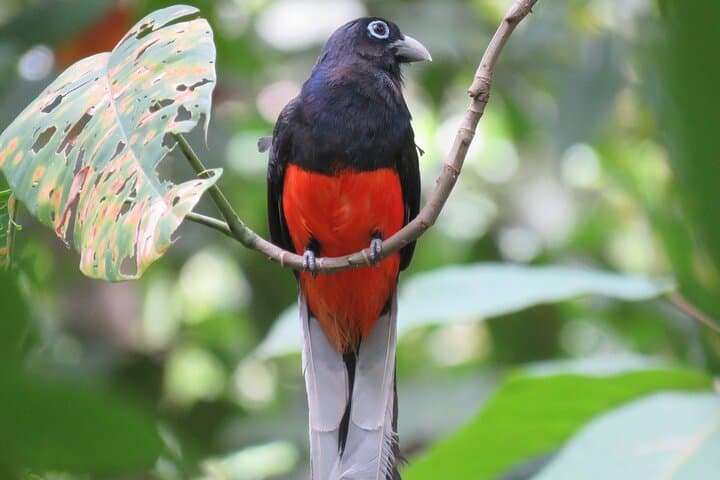
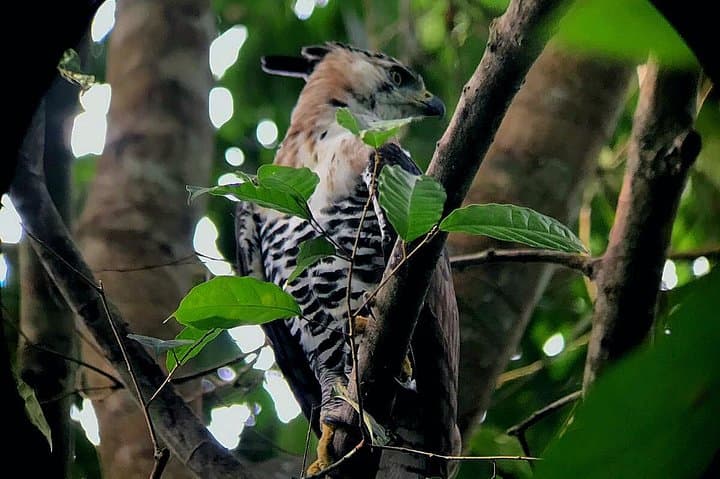
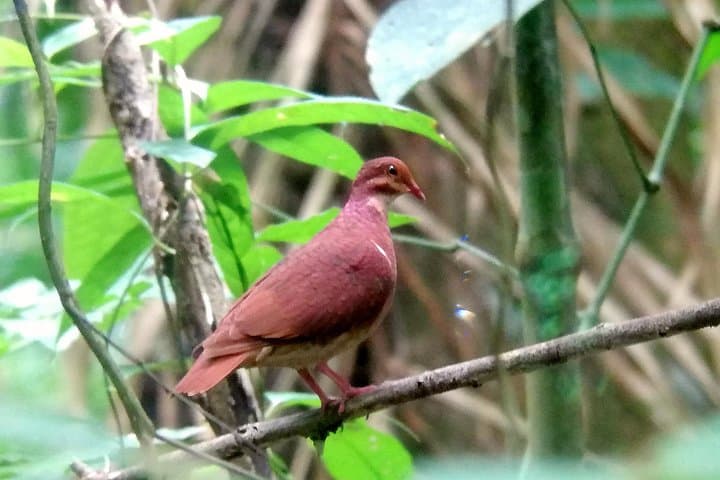
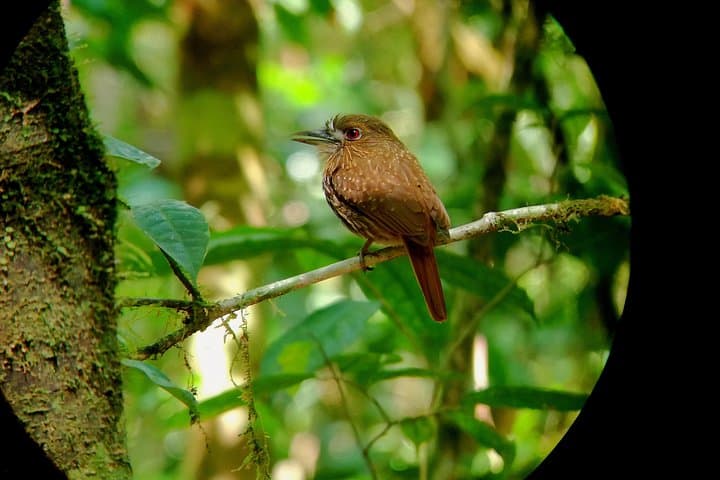
During the three-hour tour a certified naturalist will teach song recognition, field marking, and how to use optics. Expect species across vertical layers: canopy toucans and macaws, midstory flycatchers, and skulking understory antbirds. Dawn and late-afternoon windows are best — birds are more conspicuous and light is kinder for optics.
Practical points: dress in quick-drying layers, bring insect repellent and a notebook, and keep noise minimal. Guides often provide binoculars and scopes, but if you bring your own, practice focusing beforehand. Move deliberately; birding here rewards patience and modest pacing more than speed.
easy.
3 hours.
Suitable for most fitness levels; requires short, slow walks on uneven forest trails and standing for optics.
Expect dozens of individual birds and a representative sample of local species across strata; exact counts vary with season and weather, but guides prioritize quality sightings over quantity.
Yes — the route is low-impact with short, slow walking; inform the operator of mobility needs and they’ll adapt pace and route.
Guides typically provide optics, but bringing your own binoculars ensures familiarity and can improve personal viewing comfort.
Drake Bay is commonly reached by boat or small plane; verify your arrival logistics separately and allow buffer time for weather-related delays.
The Osa Peninsula has long been a frontier of Costa Rican conservation, with Corcovado’s protection in the 1970s helping spur community-based ecotourism around Drake Bay.
Work with certified guides to minimize disturbance: keep to trails, avoid playback of calls, and follow leave-no-trace principles to protect sensitive breeding habitats.
Osa Outdoors Adventures operates guided outdoor trips and adventures with an emphasis on safety, stewardship, and memorable experiences.
A gray predawn sky lightens as the guide adjusts a scope at the edge of a narrow forest track in Los Planes, Drake Bay. The air is humid and full of expectation; calls arrive in short bursts, some high and thin, others a low rolling challenge. You move slowly, boots on leaf litter, watching canopy and understory in concert, learning to read flight patterns and posture as clues.
A gray predawn sky lightens as the guide adjusts a scope at the edge of a narrow forest track in Los Planes, Drake Bay. The air is humid and full of expectation; calls arrive in short bursts, some high and thin, others a low rolling challenge. You move slowly, boots on leaf litter, watching canopy and understory in concert, learning to read flight patterns and posture as clues.
The Osa Peninsula hosts one of Costa Rica’s richest avian assemblages — a product of complex geology where coastal plains meet rugged foothills and old volcanic substrates. Indigenous and settler histories here intertwine with conservation: the area around Drake Bay sits near Corcovado National Park, one of the country’s earliest pushes for habitat protection, and local communities now work closely with guides to keep wildlife-viewing low-impact.
During the three-hour tour a certified naturalist will teach song recognition, field marking, and how to use optics. Expect species across vertical layers: canopy toucans and macaws, midstory flycatchers, and skulking understory antbirds. Dawn and late-afternoon windows are best — birds are more conspicuous and light is kinder for optics.
Practical points: dress in quick-drying layers, bring insect repellent and a notebook, and keep noise minimal. Guides often provide binoculars and scopes, but if you bring your own, practice focusing beforehand. Move deliberately; birding here rewards patience and modest pacing more than speed.