THE ADVENTURE COLLECTIVE® · Independent discovery and booking for outdoor travel

Discover Yangon on a focused 2–3 hour walking tour that moves from colonial mansions to bustling teashops and hidden community corners. Learn the city’s layered history while getting practical tips for navigating crowds, weather, and temple etiquette.
Discover Yangon on a focused 2–3 hour walking tour that moves from colonial mansions to bustling teashops and hidden community corners. Learn the city’s layered history while getting practical tips for navigating crowds, weather, and temple etiquette.
You step off the shaded footpath and the city rearranges itself around Sule Pagoda: chatter of teashops, a hawker calling numbers, the occasional church bell threading through temple chants.
Verified experiences and guided adventures in the surrounding area.
Operated by Dragon Tourist - Vina Cruise · Yangon, Yangon Region
You step off the shaded footpath and the city rearranges itself around Sule Pagoda: chatter of teashops, a hawker calling numbers, the occasional church bell threading through temple chants.
This three-hour walking tour threads through Yangon’s downtown — the British-era Secretariat, Pansodan Street’s bank facades, the Armenian and Indian quarters — places where stone and stucco keep a record of trade, migration and political struggle. Geologically flat coastal plains give the streets their easy pace; the nearby Yangon River once guided the city’s mercantile growth and still presses the air with humidity that challenges mid-day walks.
Culturally, downtown Yangon is a layered city. Colonial offices rub shoulders with Buddhist pagodas and Chinese temples, while teashops act as communal living rooms. Guides usually point out stories tied to the struggle for independence and the Armenian entrepreneurs who shaped early tourism here.
Practical guidance is straightforward: start early to avoid heat and traffic, wear comfortable, slip-resistant shoes for uneven sidewalks, and keep small bills for snacks and temple donations. Expect lots of short stops (10–40 minutes) and frequent photo opportunities; bring a compact umbrella for sudden tropical showers. The route is low-elevation and suitable for most fitness levels, but anyone with mobility limits should note occasional curbs and crowded sidewalks.
Respect religious sites: remove shoes where required and dress modestly for temple visits. Bring water; bottled water is often provided, but refilling at a café helps reduce plastic. With a knowledgeable guide, this walk gives a clear, tangible snapshot of Yangon’s living history and its present-day rhythms.
easy.
2–3 hours.
Suitable for most people who can walk on city sidewalks for multiple short stretches; minimal elevation.
The tour runs about 2–3 hours with several short stops ranging from 10 to 50 minutes at points of interest.
Yes—it's classified as easy, but caregivers should note busy sidewalks and occasional curbs that can be challenging for strollers or limited mobility.
Most stops are viewable from the street or include short visits; the tour notes which admissions are included, but small temple donations or entrance fees may be paid separately.
This specific offering includes an English-speaking licensed guide; check at booking for other language options.
Yangon’s downtown grew rapidly under British colonial administration and became Burma’s administrative and commercial heart; its streets reflect both colonial planning and multicultural settlement.
Efforts focus on preserving colonial facades and reducing waste from tourism; visitors are encouraged to minimize single-use plastics and respect restoration projects.
Dragon Tourist - Vina Cruise operates guided outdoor trips and adventures with an emphasis on safety, stewardship, and memorable experiences.
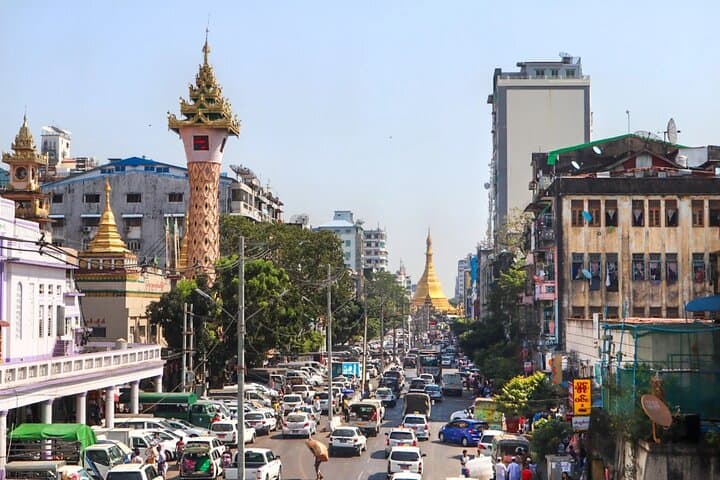
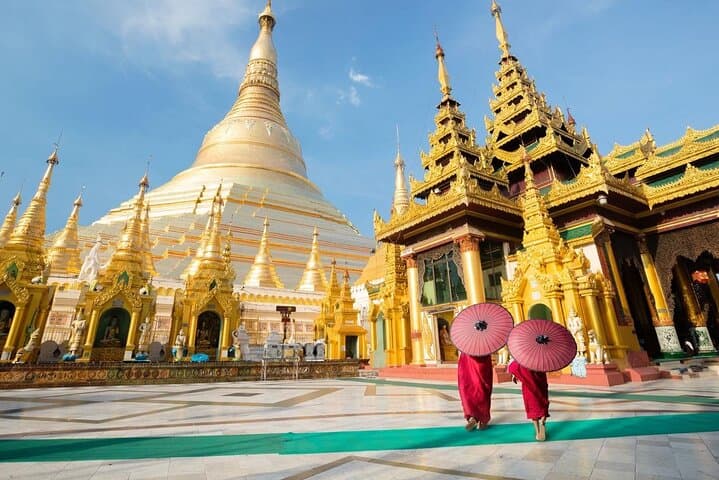
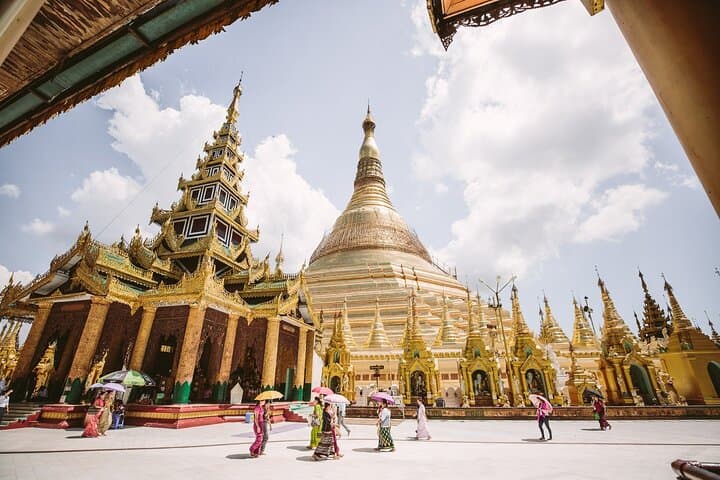
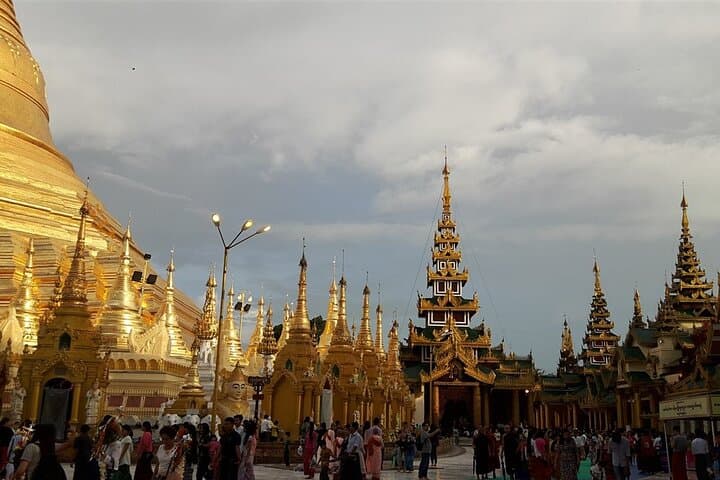
You step off the shaded footpath and the city rearranges itself around Sule Pagoda: chatter of teashops, a hawker calling numbers, the occasional church bell threading through temple chants.
You step off the shaded footpath and the city rearranges itself around Sule Pagoda: chatter of teashops, a hawker calling numbers, the occasional church bell threading through temple chants.
This three-hour walking tour threads through Yangon’s downtown — the British-era Secretariat, Pansodan Street’s bank facades, the Armenian and Indian quarters — places where stone and stucco keep a record of trade, migration and political struggle. Geologically flat coastal plains give the streets their easy pace; the nearby Yangon River once guided the city’s mercantile growth and still presses the air with humidity that challenges mid-day walks.
Culturally, downtown Yangon is a layered city. Colonial offices rub shoulders with Buddhist pagodas and Chinese temples, while teashops act as communal living rooms. Guides usually point out stories tied to the struggle for independence and the Armenian entrepreneurs who shaped early tourism here.
Practical guidance is straightforward: start early to avoid heat and traffic, wear comfortable, slip-resistant shoes for uneven sidewalks, and keep small bills for snacks and temple donations. Expect lots of short stops (10–40 minutes) and frequent photo opportunities; bring a compact umbrella for sudden tropical showers. The route is low-elevation and suitable for most fitness levels, but anyone with mobility limits should note occasional curbs and crowded sidewalks.
Respect religious sites: remove shoes where required and dress modestly for temple visits. Bring water; bottled water is often provided, but refilling at a café helps reduce plastic. With a knowledgeable guide, this walk gives a clear, tangible snapshot of Yangon’s living history and its present-day rhythms.