THE ADVENTURE COLLECTIVE® · Independent discovery and booking for outdoor travel

Explore downtown Winston-Salem on a focused, hour-long guided walk that traces the city’s industrial rise from Moravian roots to tobacco and banking powerhouses. This accessible tour mixes architecture, local stories, and repurposed factory sites.
Explore downtown Winston-Salem on a focused, hour-long guided walk that traces the city’s industrial rise from Moravian roots to tobacco and banking powerhouses. This accessible tour mixes architecture, local stories, and repurposed factory sites.
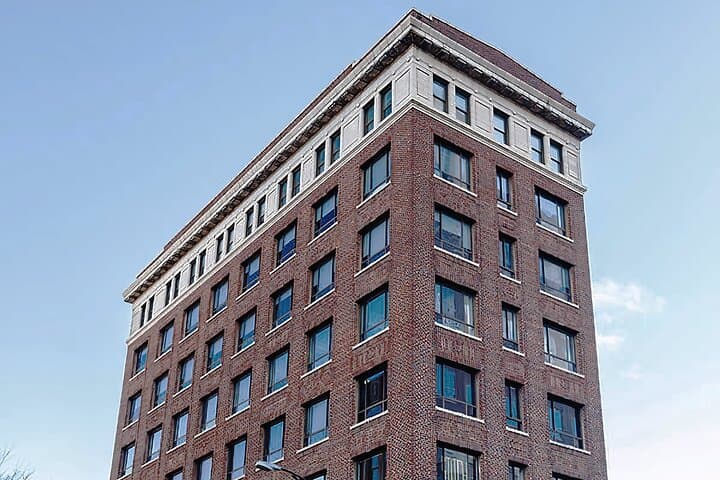
You step off 4th Street into a downtown that still wears its factories like medals: brick façades with iron fire escapes, a bank tower that once signaled financial confidence, and a river of foot traffic that carries stories as surely as the old tobacco wagons once did.
Verified experiences and guided adventures in the surrounding area.
Operated by Triangle Walking Tours: Greensboro · Winston-Salem, North Carolina
You step off 4th Street into a downtown that still wears its factories like medals: brick façades with iron fire escapes, a bank tower that once signaled financial confidence, and a river of foot traffic that carries stories as surely as the old tobacco wagons once did.
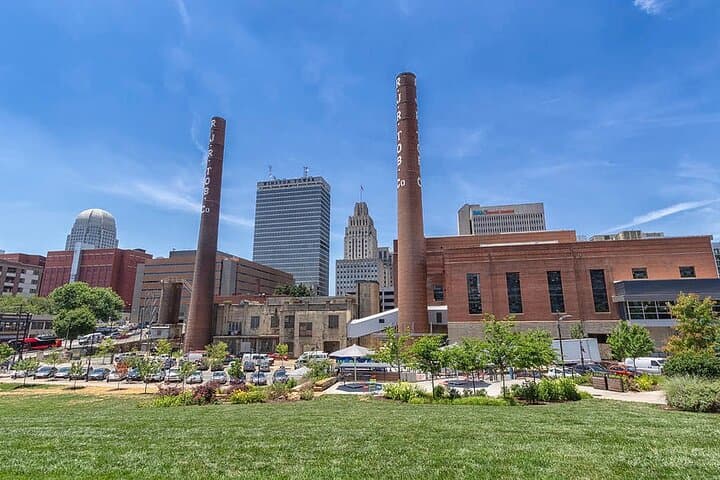
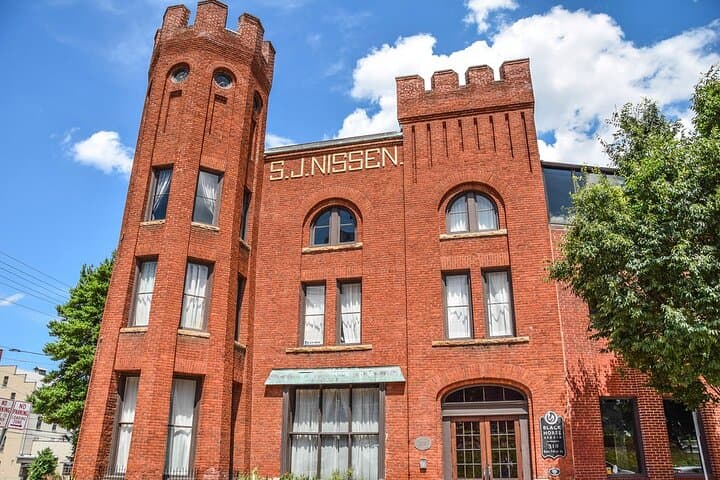
The hour-long guided walk threads through the industrial chapters that made Winston-Salem a regional hub. Expect stops at the RJ Reynolds footprint and the Nissen Factory site while your guide explains Moravian beginnings, the rise of tobacco manufacturing, and how finance and innovation reshaped the skyline. Geology here is subtle—a Piedmont plain of rolling, weathered hills—yet it shaped trade routes and the siting of mills that powered growth.
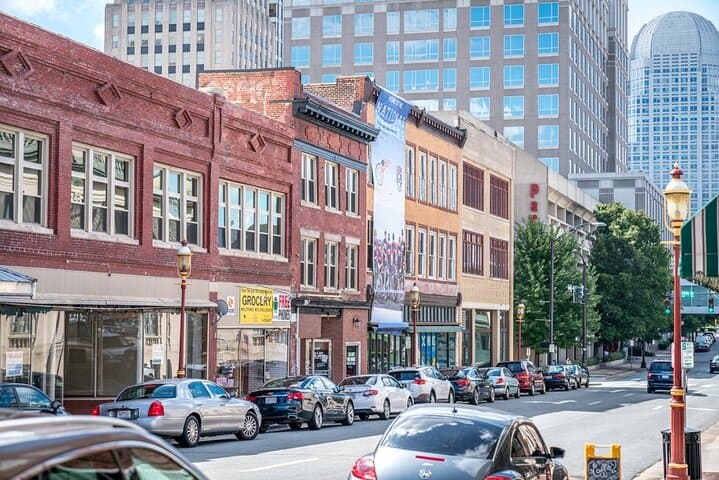
Culture appears in storefronts, preserved Liberty Street homes, and the city’s living museums. Local color emerges in small bakeries, a mural or two, and the steady hum of businesses that repurposed factory shells for studios and bars. Keep an eye out for architectural details: corbeling, ironwork, and the adaptively reused brick that gives each block character.
Practical guidance: the route is flat and fully accessible; wear supportive shoes and bring a refillable bottle. The tour moves at an unhurried downtown pace—good for families and older travelers—but be ready to stand during stops. Mornings are cooler and quieter; late afternoons show the city in active use. With an informed guide and a camera at the ready, this is urban history delivered at walking speed—concise, tangible, and rooted in place.
easy.
1 hour.
Suitable for all fitness levels; light walking and brief standing encouraged
The tour runs approximately 60 minutes and returns to the original meeting point at 4th and Patterson.
Yes; the route and most stops are accessible. Note any special mobility needs when booking so staff can assist.
This tour is led in English; private tours or special requests may be arranged through the operator.
Full refund available if you cancel at least 24 hours before the scheduled departure per the booking terms.
Winston-Salem grew from Moravian settlement and expanded into a tobacco and manufacturing center—RJ Reynolds and local factories defined its 19th–20th century economy.
Historic preservation and adaptive reuse are priorities downtown; visitors are encouraged to support local businesses and follow Leave No Trace principles in public spaces.
Triangle Walking Tours: Greensboro operates guided outdoor trips and adventures with an emphasis on safety, stewardship, and memorable experiences.
You step off 4th Street into a downtown that still wears its factories like medals: brick façades with iron fire escapes, a bank tower that once signaled financial confidence, and a river of foot traffic that carries stories as surely as the old tobacco wagons once did.
You step off 4th Street into a downtown that still wears its factories like medals: brick façades with iron fire escapes, a bank tower that once signaled financial confidence, and a river of foot traffic that carries stories as surely as the old tobacco wagons once did.
The hour-long guided walk threads through the industrial chapters that made Winston-Salem a regional hub. Expect stops at the RJ Reynolds footprint and the Nissen Factory site while your guide explains Moravian beginnings, the rise of tobacco manufacturing, and how finance and innovation reshaped the skyline. Geology here is subtle—a Piedmont plain of rolling, weathered hills—yet it shaped trade routes and the siting of mills that powered growth.
Culture appears in storefronts, preserved Liberty Street homes, and the city’s living museums. Local color emerges in small bakeries, a mural or two, and the steady hum of businesses that repurposed factory shells for studios and bars. Keep an eye out for architectural details: corbeling, ironwork, and the adaptively reused brick that gives each block character.
Practical guidance: the route is flat and fully accessible; wear supportive shoes and bring a refillable bottle. The tour moves at an unhurried downtown pace—good for families and older travelers—but be ready to stand during stops. Mornings are cooler and quieter; late afternoons show the city in active use. With an informed guide and a camera at the ready, this is urban history delivered at walking speed—concise, tangible, and rooted in place.