THE ADVENTURE COLLECTIVE® · Independent discovery and booking for outdoor travel

Explore St. Louis’ grand public buildings on a 2‑mile, 2.5‑hour guided walk that covers Union Station, City Hall, Central Library and hidden architectural details. Expect flat, wheelchair-accessible routes, civic history and practical local insights to help you plan your visit.
Explore St. Louis’ grand public buildings on a 2‑mile, 2.5‑hour guided walk that covers Union Station, City Hall, Central Library and hidden architectural details. Expect flat, wheelchair-accessible routes, civic history and practical local insights to help you plan your visit.
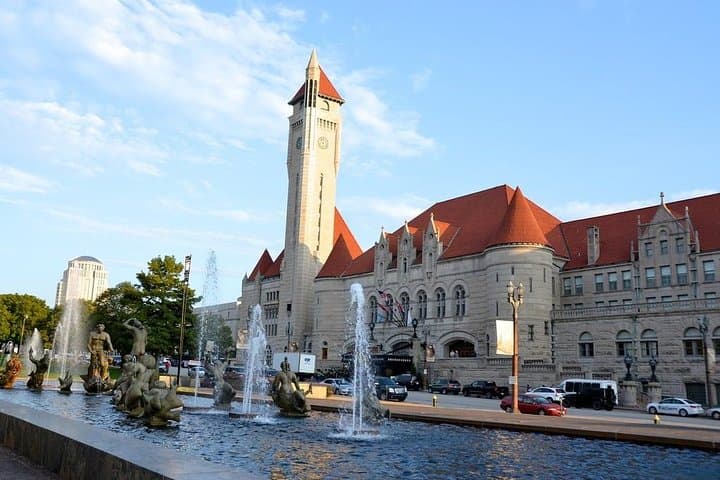
You step out onto a wide downtown sidewalk and the city unfolds in layers: cast-iron facades, the hard lines of federal buildings, and the Mississippi watching traffic like a patient neighbor daring you to look up. The rhythm of the tour is urban and measured — a two-mile circuit that moves you between Union Station, Peabody Opera House, City Hall and quiet courtyards where time slows long enough to read a plaque.
Verified experiences and guided adventures in the surrounding area.
Operated by Landmarks Downtown Walking Tours · St. Louis, Missouri
You step out onto a wide downtown sidewalk and the city unfolds in layers: cast-iron facades, the hard lines of federal buildings, and the Mississippi watching traffic like a patient neighbor daring you to look up. The rhythm of the tour is urban and measured — a two-mile circuit that moves you between Union Station, Peabody Opera House, City Hall and quiet courtyards where time slows long enough to read a plaque.
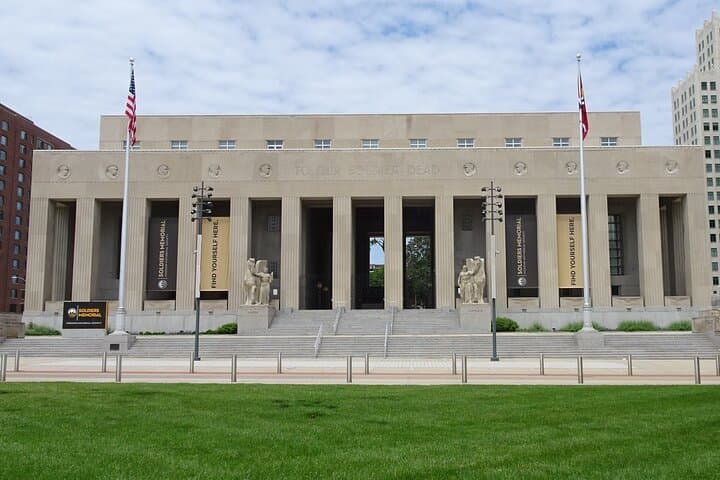
St. Louis’ skyline and streets tell a story of 19th- and early 20th-century ambition. Brick and limestone mark the city’s industrial rise; Beaux-Arts courthouses and the Central Library catalog civic pride and preservation efforts. The Meeting of the Waters fountain and Soldiers Memorial remind visitors how public art, war memory and river commerce have shaped local identity. Geology here is subtle: the city sits above alluvial plains fed by the Mississippi, which guided trade, rail hubs and the placement of grand stations.
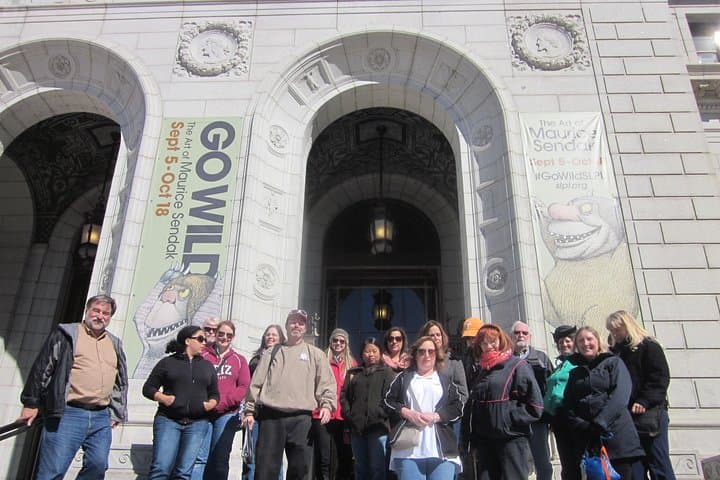
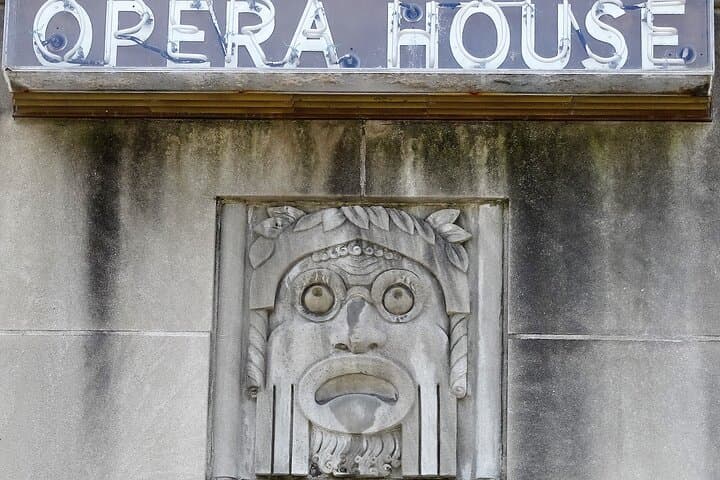
Culturally, expect echoes of German immigrant neighborhoods, the blues and ragtime rhythms that once pulsed through its clubs, and a preservation-minded community that reclaims old hotels and post offices for new uses. Guides point out ornate masonry, hidden sculptures and the small museums tucked between civic giants.
Practical notes: the route is mostly flat pavement and wheelchair accessible; plan for roughly 2–2.5 hours. Wear supportive walking shoes, bring water and a light jacket for wind off the river. Mornings are cooler and less crowded; late afternoon casts east-facing facades in warm light. Public transit and on-street parking are nearby; the tour is best for travelers who can comfortably walk two miles at an easy-to-moderate pace.
moderate.
2–2.5 hours.
Able to walk two miles and stand for short interpretive stops; suitable for most travelers with moderate fitness
The tour runs about 150 minutes and covers roughly two miles on mostly flat, paved surfaces.
Yes—organizers list the tour as wheelchair and stroller accessible; some historic interiors may have limited access, check with your guide ahead of time.
Meet at The Pitch Athletic Club & Tavern (downtown); multiple MetroLink and bus stops are within a short walk and on‑street parking is also available nearby.
Standard policy allows a full refund if you cancel at least 24 hours before departure; check your booking confirmation for details.
The buildings on this route reflect St. Louis’ late 19th–early 20th century boom when rail, river trade and civic investment redefined the downtown core.
Preservation groups in St. Louis actively restore historic facades and adaptive‑reuse projects; stick to sidewalks and marked paths to protect planted beds and memorials.
Landmarks Downtown Walking Tours operates guided outdoor trips and adventures with an emphasis on safety, stewardship, and memorable experiences.
You step out onto a wide downtown sidewalk and the city unfolds in layers: cast-iron facades, the hard lines of federal buildings, and the Mississippi watching traffic like a patient neighbor daring you to look up. The rhythm of the tour is urban and measured — a two-mile circuit that moves you between Union Station, Peabody Opera House, City Hall and quiet courtyards where time slows long enough to read a plaque.
You step out onto a wide downtown sidewalk and the city unfolds in layers: cast-iron facades, the hard lines of federal buildings, and the Mississippi watching traffic like a patient neighbor daring you to look up. The rhythm of the tour is urban and measured — a two-mile circuit that moves you between Union Station, Peabody Opera House, City Hall and quiet courtyards where time slows long enough to read a plaque.
St. Louis’ skyline and streets tell a story of 19th- and early 20th-century ambition. Brick and limestone mark the city’s industrial rise; Beaux-Arts courthouses and the Central Library catalog civic pride and preservation efforts. The Meeting of the Waters fountain and Soldiers Memorial remind visitors how public art, war memory and river commerce have shaped local identity. Geology here is subtle: the city sits above alluvial plains fed by the Mississippi, which guided trade, rail hubs and the placement of grand stations.
Culturally, expect echoes of German immigrant neighborhoods, the blues and ragtime rhythms that once pulsed through its clubs, and a preservation-minded community that reclaims old hotels and post offices for new uses. Guides point out ornate masonry, hidden sculptures and the small museums tucked between civic giants.
Practical notes: the route is mostly flat pavement and wheelchair accessible; plan for roughly 2–2.5 hours. Wear supportive walking shoes, bring water and a light jacket for wind off the river. Mornings are cooler and less crowded; late afternoon casts east-facing facades in warm light. Public transit and on-street parking are nearby; the tour is best for travelers who can comfortably walk two miles at an easy-to-moderate pace.