THE ADVENTURE COLLECTIVE® · Independent discovery and booking for outdoor travel

Trace St. Louis’s evolution from fur-trade outpost to modern river city on a 2-mile guided walk that stops at the Old Courthouse, Gateway Arch, Eads Bridge and key architectural landmarks. Practical, historic, and accessible—ideal for city explorers.
Trace St. Louis’s evolution from fur-trade outpost to modern river city on a 2-mile guided walk that stops at the Old Courthouse, Gateway Arch, Eads Bridge and key architectural landmarks. Practical, historic, and accessible—ideal for city explorers.
The tour opens with the river at your back and the Gateway Arch towering like a bent horizon, steel skin glinting against the Mississippi. A small crowd gathers by the Dred & Harriet Scott statue; the guide's voice threads stories into the cityscape while the river murmurs just out of sight.
Verified experiences and guided adventures in the surrounding area.
Operated by Landmarks Downtown Walking Tours · St. Louis, Missouri
The tour opens with the river at your back and the Gateway Arch towering like a bent horizon, steel skin glinting against the Mississippi. A small crowd gathers by the Dred & Harriet Scott statue; the guide's voice threads stories into the cityscape while the river murmurs just out of sight.
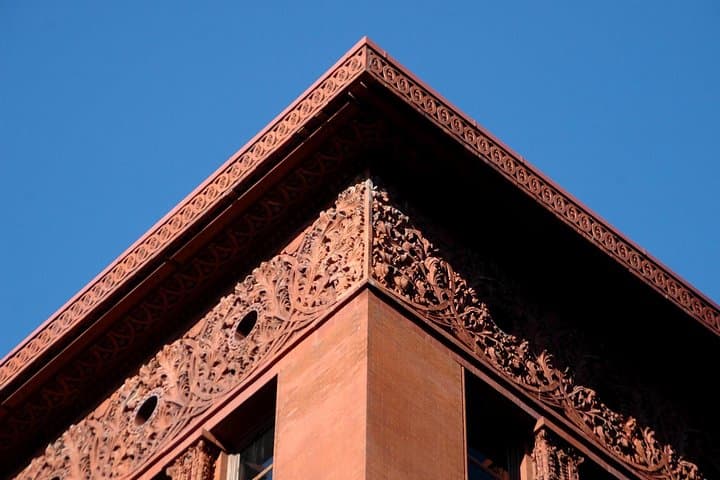
This walk follows two centuries of growth: from a French fur-trading post and the early riverfront economy to the rise of 19th- and 20th-century commercial architecture. The Old Courthouse speaks to civic conflict and law; the Wainwright Building and Philip Johnson’s office demonstrate early skyscraper engineering and modernist refinements. Underfoot the terrain is flat urban pavement—historic stone, plazas, and bridge approaches—rather than wilderness, but geology is present in the city’s placement along the Mississippi floodplain and bluffs that influenced early settlement and transport.
Culturally, this neighborhood is where immigrant merchants, river sailors, and financiers converged; the architecture is a ledger of those trades. The tour highlights engineering feats like Eads Bridge and the adaptive reuse of the Old Post Office.
Practical guidance: the route covers about two miles with frequent stops and roughly 2–3 hours of walking and conversation. Wear supportive walking shoes, carry water, and plan for sun or rain—little shade stretches between sites. The tour is wheelchair- and stroller-accessible, but expect city crowds and occasional street noise. Mornings or late afternoons offer cooler temps and softer light for photography. Bring a charged phone for maps and a layered jacket if river breezes pick up.
moderate.
2–3 hours.
Should be able to stand and walk about two miles with periodic stops; moderate fitness recommended.
The tour covers roughly two miles over about 2–3 hours with multiple stops for interpretation and photos.
Yes—paths and principal sites on this route are wheelchair accessible; mention any special requirements when booking.
This tour focuses on exterior architecture and public spaces; specialized entries (e.g., going up the Arch) are not included unless specified.
Wear comfortable, closed-toe walking shoes and layered clothing appropriate for the season; bring sunscreen and a hat in summer.
St. Louis grew from a late-18th-century French trading post into a 19th-century transportation hub; many downtown buildings reflect the boom eras of river trade and early skyscraper design.
Downtown preservation efforts focus on adaptive reuse of historic structures and managing riverfront flood risk; visitors are encouraged to stay on sidewalks and respect restored facades.
Landmarks Downtown Walking Tours operates guided outdoor trips and adventures with an emphasis on safety, stewardship, and memorable experiences.


The tour opens with the river at your back and the Gateway Arch towering like a bent horizon, steel skin glinting against the Mississippi. A small crowd gathers by the Dred & Harriet Scott statue; the guide's voice threads stories into the cityscape while the river murmurs just out of sight.
The tour opens with the river at your back and the Gateway Arch towering like a bent horizon, steel skin glinting against the Mississippi. A small crowd gathers by the Dred & Harriet Scott statue; the guide's voice threads stories into the cityscape while the river murmurs just out of sight.
This walk follows two centuries of growth: from a French fur-trading post and the early riverfront economy to the rise of 19th- and 20th-century commercial architecture. The Old Courthouse speaks to civic conflict and law; the Wainwright Building and Philip Johnson’s office demonstrate early skyscraper engineering and modernist refinements. Underfoot the terrain is flat urban pavement—historic stone, plazas, and bridge approaches—rather than wilderness, but geology is present in the city’s placement along the Mississippi floodplain and bluffs that influenced early settlement and transport.
Culturally, this neighborhood is where immigrant merchants, river sailors, and financiers converged; the architecture is a ledger of those trades. The tour highlights engineering feats like Eads Bridge and the adaptive reuse of the Old Post Office.
Practical guidance: the route covers about two miles with frequent stops and roughly 2–3 hours of walking and conversation. Wear supportive walking shoes, carry water, and plan for sun or rain—little shade stretches between sites. The tour is wheelchair- and stroller-accessible, but expect city crowds and occasional street noise. Mornings or late afternoons offer cooler temps and softer light for photography. Bring a charged phone for maps and a layered jacket if river breezes pick up.