THE ADVENTURE COLLECTIVE® · Independent discovery and booking for outdoor travel

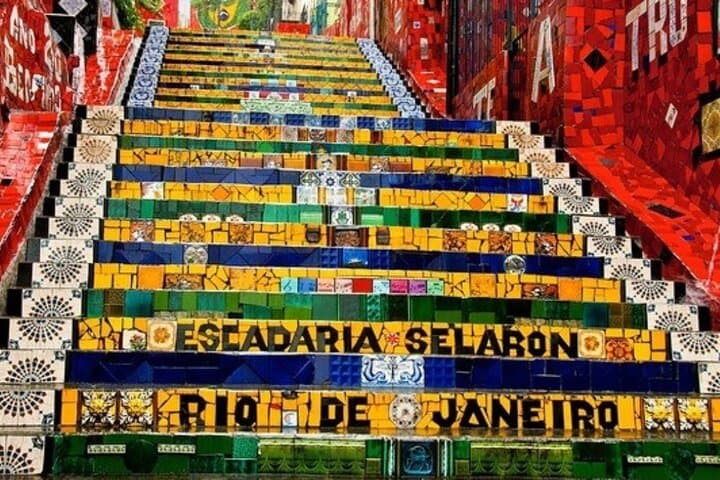
Walk the historic core of Rio de Janeiro with a licensed guide — from the Selarón Steps to colonial churches and the Municipal Theatre. This 3–4 hour tour blends architecture, local stories, and practical tips for navigating Centro.
Walk the historic core of Rio de Janeiro with a licensed guide — from the Selarón Steps to colonial churches and the Municipal Theatre. This 3–4 hour tour blends architecture, local stories, and practical tips for navigating Centro.
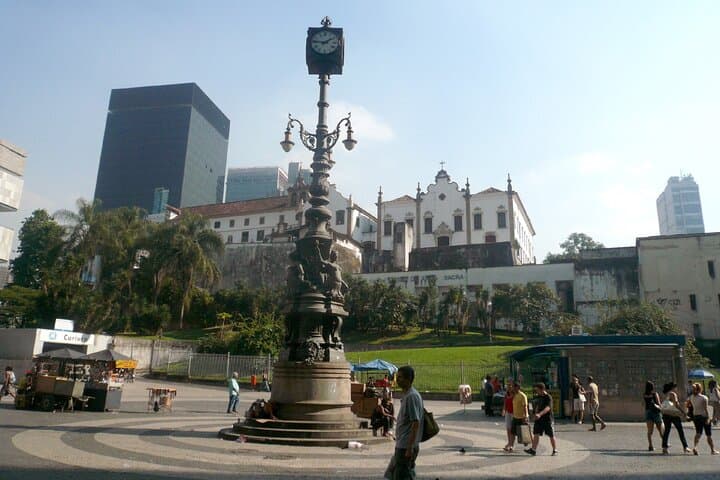
You step off the tram and onto sun-warmed stone, the rhythm of Centro pulsing beneath your boots: streetcars clack, vendors call, and the silhouette of the Municipal Theatre watches from a nearby square.
Verified experiences and guided adventures in the surrounding area.
Operated by Lucemir correia Tour Guide · Rio de Janeiro, Rio de Janeiro
You step off the tram and onto sun-warmed stone, the rhythm of Centro pulsing beneath your boots: streetcars clack, vendors call, and the silhouette of the Municipal Theatre watches from a nearby square.
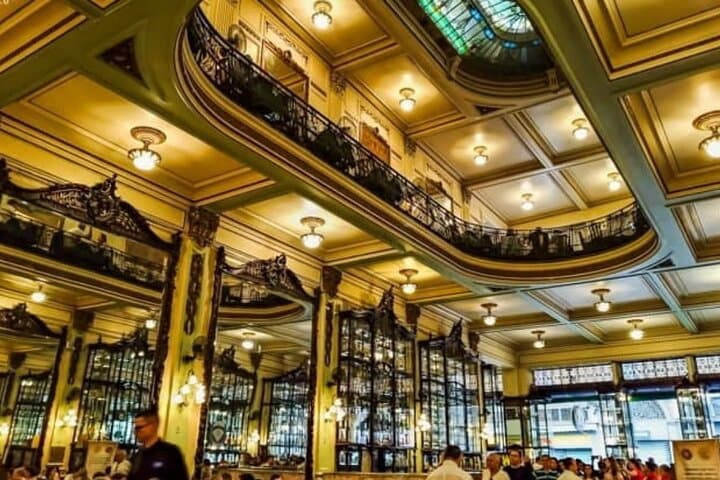
This three-to-four-hour walking tour threads together Rio's colonial spine — theaters and churches that mark Portuguese and imperial chapters, the colored tiles of the Escadaria Selarón perfect for photos, and the old merchant houses where wealthy families once managed Brazil’s global coffee trade. The historical center sits where the bay meets granite ridges; its layers of urban geology and reclamation explain sudden drops, plazas, and viewpoints that shape the city’s circulation.
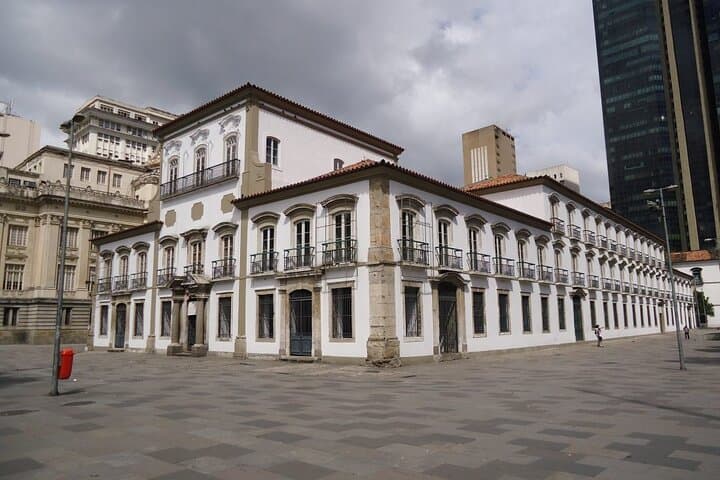
Guide commentary typically covers the 19th-century arrival of the Portuguese royal court, the growth of Praça XV, and the architectural shifts from baroque churches to Beaux-Arts civic buildings. Local culture appears in small moments: a street-side coxinha vendor, the cadence of conversation in Portuguese, and the optional Sacred Museum of São Francisco (entry fee typically around R$20).
Practically: expect 3–4 hours on relatively flat, cobbled streets with several short stair sections (Selarón). Comfortable walking shoes, sun protection, and a refillable water bottle make the day easier. Group sizes are capped at about 20; public transport options and central meeting points mean the tour is easy to reach. Bring a few reais or small cash for small purchases and museum entry, start in the morning to beat peak heat, and keep valuables secure — Centro is lively but busy.
The tour balances cultural depth and accessible pace: a concentrated way to read Rio’s façade and understand how geology, trade, and politics shaped the carioca way of life.
easy.
3–4 hours.
Suitable for most fitness levels; requires standing and walking on uneven urban surfaces for several hours.
The tour runs about 3 to 4 hours, depending on group pace and stops; plan for light walking and several short pauses.
No—lunch is optional. Guides recommend local eateries in Centro; expect to spend up to about US$10 per person for a modest meal.
Centro has cobbled streets and some stairs (e.g., small stair sections). Parts are accessible, but full wheelchair access may be limited—contact the operator for specifics.
Most stops are viewable from outside; the Sacred Museum of São Francisco has an optional entrance (around R$20) and can usually be purchased on the day.
Centro was Rio’s administrative and commercial hub after the Portuguese royal court arrived in 1808; its mix of baroque churches and 19th-century civic buildings reflects colonial and imperial growth.
Historic Centro faces pressures from tourism and urban decay; support local businesses, avoid littering, and stick to marked paths to help preserve fragile surfaces and buildings.
Lucemir correia Tour Guide operates guided outdoor trips and adventures with an emphasis on safety, stewardship, and memorable experiences.
You step off the tram and onto sun-warmed stone, the rhythm of Centro pulsing beneath your boots: streetcars clack, vendors call, and the silhouette of the Municipal Theatre watches from a nearby square.
You step off the tram and onto sun-warmed stone, the rhythm of Centro pulsing beneath your boots: streetcars clack, vendors call, and the silhouette of the Municipal Theatre watches from a nearby square.
This three-to-four-hour walking tour threads together Rio's colonial spine — theaters and churches that mark Portuguese and imperial chapters, the colored tiles of the Escadaria Selarón perfect for photos, and the old merchant houses where wealthy families once managed Brazil’s global coffee trade. The historical center sits where the bay meets granite ridges; its layers of urban geology and reclamation explain sudden drops, plazas, and viewpoints that shape the city’s circulation.
Guide commentary typically covers the 19th-century arrival of the Portuguese royal court, the growth of Praça XV, and the architectural shifts from baroque churches to Beaux-Arts civic buildings. Local culture appears in small moments: a street-side coxinha vendor, the cadence of conversation in Portuguese, and the optional Sacred Museum of São Francisco (entry fee typically around R$20).
Practically: expect 3–4 hours on relatively flat, cobbled streets with several short stair sections (Selarón). Comfortable walking shoes, sun protection, and a refillable water bottle make the day easier. Group sizes are capped at about 20; public transport options and central meeting points mean the tour is easy to reach. Bring a few reais or small cash for small purchases and museum entry, start in the morning to beat peak heat, and keep valuables secure — Centro is lively but busy.
The tour balances cultural depth and accessible pace: a concentrated way to read Rio’s façade and understand how geology, trade, and politics shaped the carioca way of life.