THE ADVENTURE COLLECTIVE® · Independent discovery and booking for outdoor travel

Walk the streets where New York’s African and African American history is embedded — from Wall Street’s colonial-era slave market to the African Burial Ground memorial. This private four-hour tour blends architecture, archival insight and social history with practical, walkable pacing.
Walk the streets where New York’s African and African American history is embedded — from Wall Street’s colonial-era slave market to the African Burial Ground memorial. This private four-hour tour blends architecture, archival insight and social history with practical, walkable pacing.
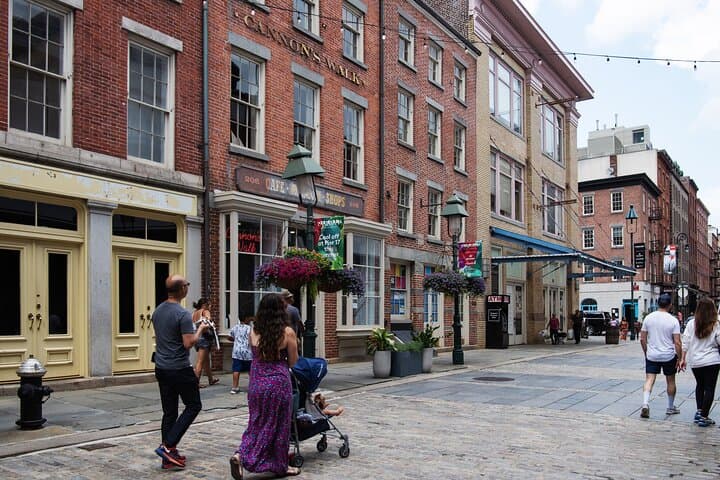
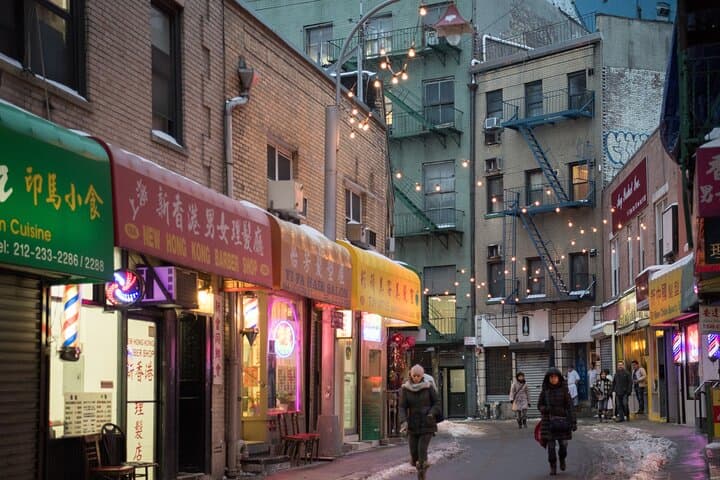
You step off a subway and the narrow streets of lower Manhattan lean in — brick facades, iron fire escapes and cobbles that remember old routes. The tour moves at a steady, human pace: your guide threads stories through the city’s fabric, pointing out places where policy and profit met human lives.
Verified experiences and guided adventures in the surrounding area.
Operated by Harlem Spirituals - New York Visions · New York, New York
You step off a subway and the narrow streets of lower Manhattan lean in — brick facades, iron fire escapes and cobbles that remember old routes. The tour moves at a steady, human pace: your guide threads stories through the city’s fabric, pointing out places where policy and profit met human lives.
This four-hour walking tour traces New York’s African and African American history from colonial Wall Street’s slave market through the 17th–19th century free Black neighborhoods of Little Africa and the Five Points, to Mother AME Zion and the African Burial Ground memorial. Geology and urban growth are part of the story too: landfill and bedrock shaped where people lived and where markets and docks rose, concentrating both commerce and human displacement.
Expect close readings of architecture — early 19th-century commercial blocks and reworked rowhouses — paired with social history about schools, churches, and the clandestine routes of the Underground Railroad in the region. Guides typically surface archival references and point to contemporary community memory.
Practical notes: the route is mainly paved city streets with some cobbles and curbs; moderate fitness is required for roughly 2–3 miles over four hours with stops. Public transit is the easiest way to start; confirm your guide’s meeting spot if you’re not at a Manhattan hotel. Bring supportive shoes, a refillable water bottle, sun protection in summer, and a respectful approach to sensitive sites. Photography is allowed at public markers but be mindful at memorials and active church services. This is a walking history tour — expect conversation, occasional crowds, and a steady urban rhythm that keeps the past visible.
moderate.
4 hours.
Moderate — able to walk 2–3 miles at a steady pace and stand for site talks
Expect roughly 2–3 miles over four hours with multiple stops; pace is moderate with historical commentary at each site.
The guide meets at your Manhattan hotel or a downtown meeting point depending on booking; the tour finishes in lower Manhattan.
Much of lower Manhattan has curb cuts but historic blocks and cobbles can be challenging; contact the operator in advance to discuss accessibility accommodations.
Yes at public sites and markers, but refrain from intrusive photography at memorials and during any active church services; follow your guide’s direction.
Lower Manhattan was both a commercial hub and a center of enslavement and early free Black communities; sites like the African Burial Ground reveal colonial-era population dynamics.
Preservation efforts focus on protecting historic sites and memorials while managing urban development pressures; respect and minimal-impact visitation helps maintain sensitive locations.
Harlem Spirituals - New York Visions operates guided outdoor trips and adventures with an emphasis on safety, stewardship, and memorable experiences.

You step off a subway and the narrow streets of lower Manhattan lean in — brick facades, iron fire escapes and cobbles that remember old routes. The tour moves at a steady, human pace: your guide threads stories through the city’s fabric, pointing out places where policy and profit met human lives.
You step off a subway and the narrow streets of lower Manhattan lean in — brick facades, iron fire escapes and cobbles that remember old routes. The tour moves at a steady, human pace: your guide threads stories through the city’s fabric, pointing out places where policy and profit met human lives.
This four-hour walking tour traces New York’s African and African American history from colonial Wall Street’s slave market through the 17th–19th century free Black neighborhoods of Little Africa and the Five Points, to Mother AME Zion and the African Burial Ground memorial. Geology and urban growth are part of the story too: landfill and bedrock shaped where people lived and where markets and docks rose, concentrating both commerce and human displacement.
Expect close readings of architecture — early 19th-century commercial blocks and reworked rowhouses — paired with social history about schools, churches, and the clandestine routes of the Underground Railroad in the region. Guides typically surface archival references and point to contemporary community memory.
Practical notes: the route is mainly paved city streets with some cobbles and curbs; moderate fitness is required for roughly 2–3 miles over four hours with stops. Public transit is the easiest way to start; confirm your guide’s meeting spot if you’re not at a Manhattan hotel. Bring supportive shoes, a refillable water bottle, sun protection in summer, and a respectful approach to sensitive sites. Photography is allowed at public markers but be mindful at memorials and active church services. This is a walking history tour — expect conversation, occasional crowds, and a steady urban rhythm that keeps the past visible.