THE ADVENTURE COLLECTIVE® · Independent discovery and booking for outdoor travel

Walk downtown Nashville with a native guide who trades loudspeakers for conversation. This 90-minute tour threads history, music, and politics into a compact city stroll that highlights places locals still talk about.
Walk downtown Nashville with a native guide who trades loudspeakers for conversation. This 90-minute tour threads history, music, and politics into a compact city stroll that highlights places locals still talk about.
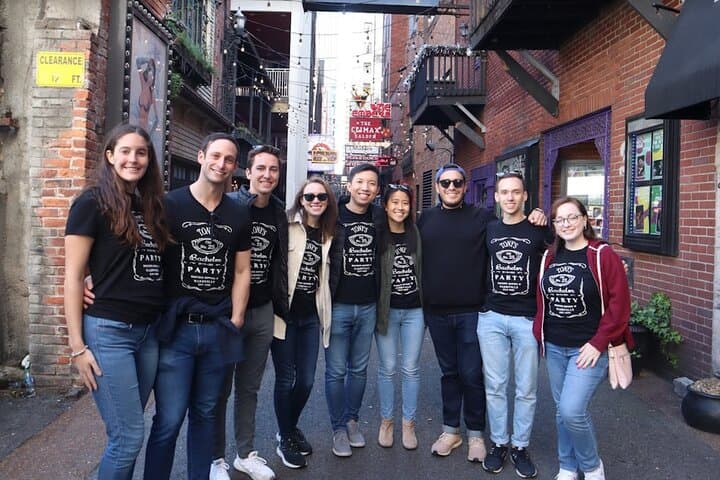
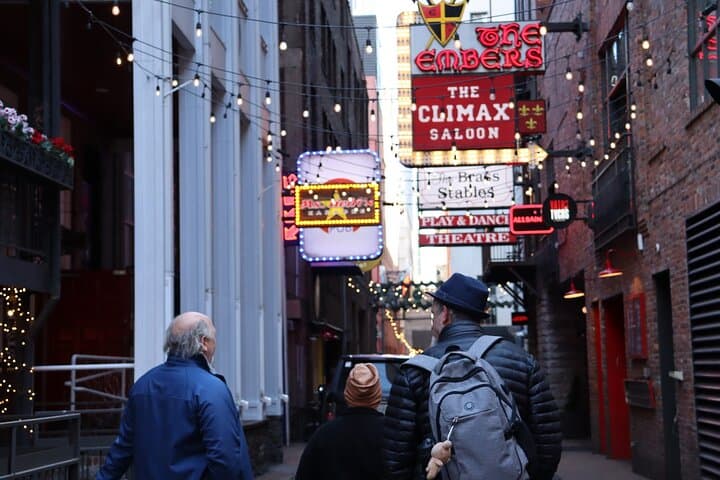
The group forms under the Sheraton Grand's awning, a small cluster of travelers shaded from a late spring sun while Broadway's neon hums in the near distance. Joe steps forward—born and raised in Nashville, voice clear and unamplified—and with a half-smile unfurls the city's contradictions: marble-lined capitol steps that watched votes decide history, alleys where music first pushed against prohibition signs, and hotels that once hosted suffragists plotting a national change.
Verified experiences and guided adventures in the surrounding area.
Operated by Nashville Experience Tours · Nashville, Tennessee
The group forms under the Sheraton Grand's awning, a small cluster of travelers shaded from a late spring sun while Broadway's neon hums in the near distance. Joe steps forward—born and raised in Nashville, voice clear and unamplified—and with a half-smile unfurls the city's contradictions: marble-lined capitol steps that watched votes decide history, alleys where music first pushed against prohibition signs, and hotels that once hosted suffragists plotting a national change.
This ninety-minute walking tour threads through downtown's hard surfaces—sidewalks, plazas, and the occasional step—presenting Nashville as a living archive. Architecture provides the scaffolding: a five-star hotel that doubled as a political nerve center for suffrage organizers, the state legislative building that now hosts acts and activists, and the limestone façade of the State Capitol that holds the tombs of its architects. Joe's approach is conversational, stopping outside landmarks for stories and context rather than dragging visitors inside rooms that require tickets.
Geology and urban growth intersect here; the city's elevation is modest, but its plateaus and ridgelines guided early settlement and the grid that became downtown. The Cumberland River, a mile to the north, once determined commercial arteries and still pushes barges past the city's edge—an industrial heartbeat that contrasts with honky-tonk rhythms on Broadway.
Culturally, the tour splits the difference between Music City's global brand and its local, sometimes messy history: race, labor, and politics surface alongside anecdotes about songwriting rooms and dive bars. That balance makes the tour valuable for travelers who want more than postcard music clichés—Joe points to where deals were made, where protests gathered, and where local life quietly carries on behind storefronts.
Practical details are straightforward. Expect 90 minutes of mostly flat walking with intermittent stops; total distance is roughly 1.5–2 miles depending on route and crowd flow. Wear supportive shoes for pavement, bring a water bottle, and arrive ready to listen—Joe caps groups small and leaves loudspeakers at home, preferring direct conversation.
Timing matters: morning tours skirt the heat and the busiest tourist crush on Broadway, while late afternoons can catch golden light on the Capitol steps. The tour is wheelchair-accessible and stroller-friendly, but participants should have a moderate level of fitness for an uninterrupted pace.
For visitors seeking context alongside curbside stories, this is a compact, human-scale primer on downtown Nashville—one that connects monuments and music halls to the everyday people who made the city what it is today.
moderate.
1.5 hours.
Should be comfortable walking on flat but sometimes crowded city sidewalks for 90 minutes
The tour lasts 90 minutes and covers roughly 1.5–2 miles on mostly flat, paved sidewalks with several short stops.
Yes—routes are chosen for accessibility; inform the operator at booking about any mobility needs.
No—this tour focuses on outside discussions at landmarks rather than indoor admissions or museums.
Tours are conducted in English; check with the operator in advance if you need accommodation for another language.
Tours may be canceled in severe weather; the cancellation policy allows full refunds if you cancel more than 24 hours ahead.
Yes—strollers are welcome and the pace suits families, though a moderate fitness level is recommended for participants.
Downtown Nashville grew rapidly in the 19th century; the State Capitol and nearby hotels were focal points for political movements including Tennessee's pivotal role in suffrage and state governance.
Tour operators encourage staying on sidewalks and supporting local businesses; preserving historic façades depends on community investment and mindful tourism.
Nashville Experience Tours operates guided outdoor trips and adventures with an emphasis on safety, stewardship, and memorable experiences.

The group forms under the Sheraton Grand's awning, a small cluster of travelers shaded from a late spring sun while Broadway's neon hums in the near distance. Joe steps forward—born and raised in Nashville, voice clear and unamplified—and with a half-smile unfurls the city's contradictions: marble-lined capitol steps that watched votes decide history, alleys where music first pushed against prohibition signs, and hotels that once hosted suffragists plotting a national change.
The group forms under the Sheraton Grand's awning, a small cluster of travelers shaded from a late spring sun while Broadway's neon hums in the near distance. Joe steps forward—born and raised in Nashville, voice clear and unamplified—and with a half-smile unfurls the city's contradictions: marble-lined capitol steps that watched votes decide history, alleys where music first pushed against prohibition signs, and hotels that once hosted suffragists plotting a national change.
This ninety-minute walking tour threads through downtown's hard surfaces—sidewalks, plazas, and the occasional step—presenting Nashville as a living archive. Architecture provides the scaffolding: a five-star hotel that doubled as a political nerve center for suffrage organizers, the state legislative building that now hosts acts and activists, and the limestone façade of the State Capitol that holds the tombs of its architects. Joe's approach is conversational, stopping outside landmarks for stories and context rather than dragging visitors inside rooms that require tickets.
Geology and urban growth intersect here; the city's elevation is modest, but its plateaus and ridgelines guided early settlement and the grid that became downtown. The Cumberland River, a mile to the north, once determined commercial arteries and still pushes barges past the city's edge—an industrial heartbeat that contrasts with honky-tonk rhythms on Broadway.
Culturally, the tour splits the difference between Music City's global brand and its local, sometimes messy history: race, labor, and politics surface alongside anecdotes about songwriting rooms and dive bars. That balance makes the tour valuable for travelers who want more than postcard music clichés—Joe points to where deals were made, where protests gathered, and where local life quietly carries on behind storefronts.
Practical details are straightforward. Expect 90 minutes of mostly flat walking with intermittent stops; total distance is roughly 1.5–2 miles depending on route and crowd flow. Wear supportive shoes for pavement, bring a water bottle, and arrive ready to listen—Joe caps groups small and leaves loudspeakers at home, preferring direct conversation.
Timing matters: morning tours skirt the heat and the busiest tourist crush on Broadway, while late afternoons can catch golden light on the Capitol steps. The tour is wheelchair-accessible and stroller-friendly, but participants should have a moderate level of fitness for an uninterrupted pace.
For visitors seeking context alongside curbside stories, this is a compact, human-scale primer on downtown Nashville—one that connects monuments and music halls to the everyday people who made the city what it is today.