THE ADVENTURE COLLECTIVE® · Independent discovery and booking for outdoor travel

Walk through Medellín’s transformed historic center: Plaza Botero, Parque de las Luces and lively Junín Street, guided by locals who frame the city’s cultural and social renewal. This three-hour tour combines art, history, and practical insights for first-time visitors.
Walk through Medellín’s transformed historic center: Plaza Botero, Parque de las Luces and lively Junín Street, guided by locals who frame the city’s cultural and social renewal. This three-hour tour combines art, history, and practical insights for first-time visitors.
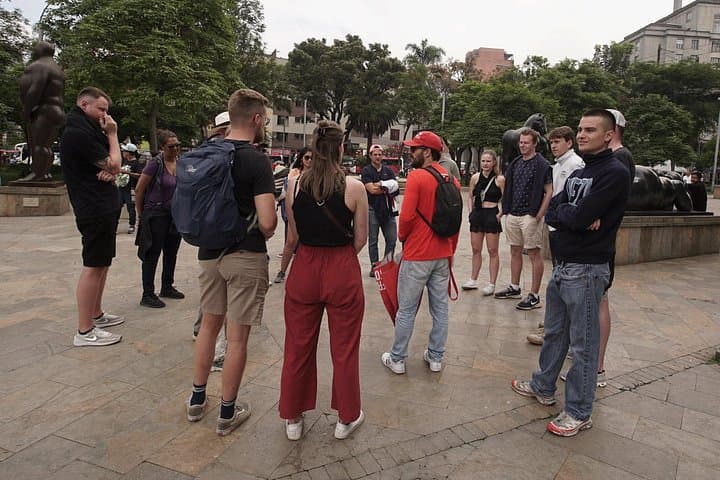
The morning air of the Aburrá Valley feels like a promise as you step onto Junín Street — vendors arranging fruit, the metro hum in the distance, and the oversized bronze figures of Fernando Botero leaning into conversation with passersby.
Verified experiences and guided adventures in the surrounding area.
Operated by vuelamax actividades y tours · Medellín, Antioquia
The morning air of the Aburrá Valley feels like a promise as you step onto Junín Street — vendors arranging fruit, the metro hum in the distance, and the oversized bronze figures of Fernando Botero leaning into conversation with passersby.
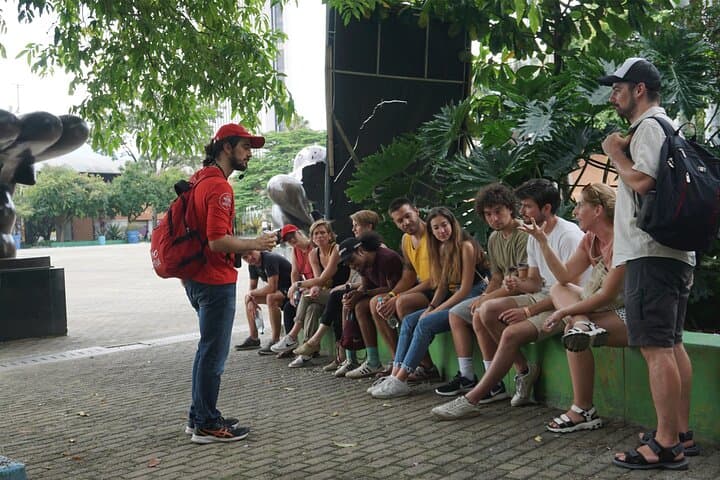
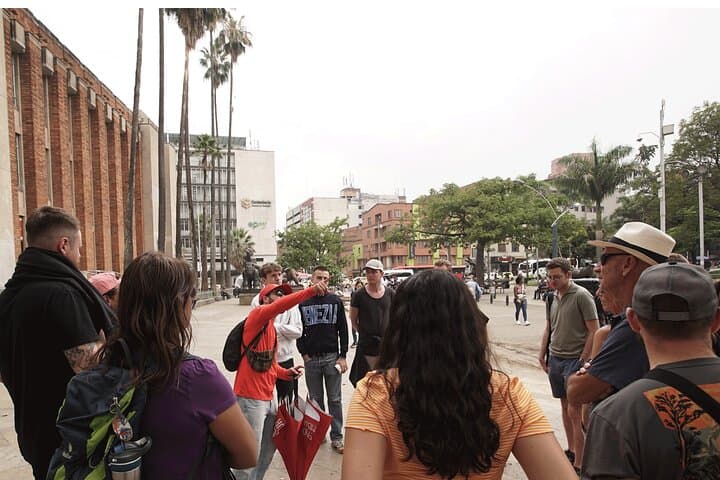
This three-hour walking tour threads through Medellín’s most charged public spaces: Plaza Botero with its plump, defiant sculptures; Parque de las Luces, whose light columns mark a civic turnaround; Parque Berrío, the historic crossroads; and Plaza de la Libertad, a newer civic stage. The geology beneath your feet is Andean: a narrow valley carved by the Medellín River, creating the city’s compact grid and steep surrounding hills. The tour pairs urban design with social history — from early republican architecture and commercial Junín Street to the violent decades of the late 20th century and the grassroots, educational and cultural initiatives that reshaped public life.
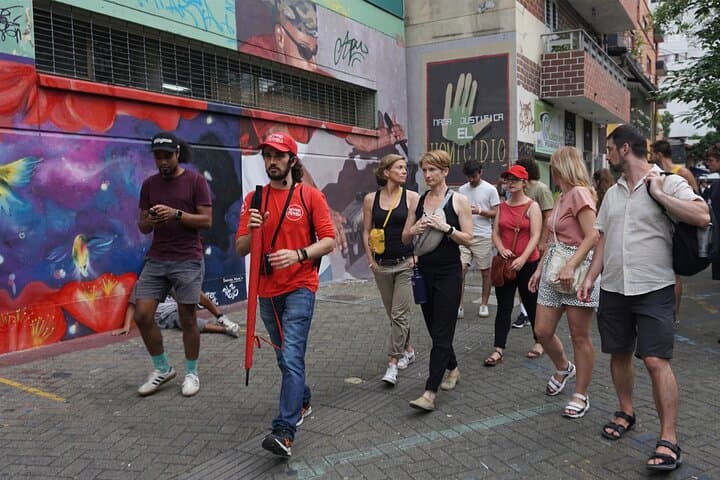
Local guides balance cultural anecdotes with concrete context: how the metro and escalators extended mobility, how street art became a classroom, and where Paisa commerce still hums. Practical guidance follows the narrative: wear grippy walking shoes for mixed pavement, bring a light rain jacket (tropical showers are common), carry small bills for snacks or museums, and plan a morning slot to avoid afternoon rains and rush-hour crowds.
Expect steady walking on mostly flat city blocks with intermittent stairs; the pace is conversational. The reward is a close, human view of a city that dared to redirect its future — experienced not from a bus window, but step by step, street by street.
easy.
3 hours.
Suitable for all fitness levels; expect 2–4 miles of walking on mostly flat urban terrain
Yes — downtown routes and many plazas are wheelchair accessible; check with the operator in advance for any specific mobility needs.
Certified guides are available in Spanish and English according to the listings’ inclusions.
Tipping is appreciated for good service; 10–15% or a small cash tip per person is common for guided city tours.
Medellín’s metro and bus network serve the historic center; use Parque Berrío or Museo de Antioquia/Plaza Botero stations as reference points.
Downtown Medellín grew around 19th-century commerce in the Aburrá Valley; public investment, transit projects and cultural programs in the 2000s catalyzed its recent civic renewal.
High pedestrian traffic impacts historic surfaces; follow local guidelines, minimize litter, and support community-run cultural spaces to help sustain urban regeneration.
vuelamax actividades y tours operates guided outdoor trips and adventures with an emphasis on safety, stewardship, and memorable experiences.
The morning air of the Aburrá Valley feels like a promise as you step onto Junín Street — vendors arranging fruit, the metro hum in the distance, and the oversized bronze figures of Fernando Botero leaning into conversation with passersby.
The morning air of the Aburrá Valley feels like a promise as you step onto Junín Street — vendors arranging fruit, the metro hum in the distance, and the oversized bronze figures of Fernando Botero leaning into conversation with passersby.
This three-hour walking tour threads through Medellín’s most charged public spaces: Plaza Botero with its plump, defiant sculptures; Parque de las Luces, whose light columns mark a civic turnaround; Parque Berrío, the historic crossroads; and Plaza de la Libertad, a newer civic stage. The geology beneath your feet is Andean: a narrow valley carved by the Medellín River, creating the city’s compact grid and steep surrounding hills. The tour pairs urban design with social history — from early republican architecture and commercial Junín Street to the violent decades of the late 20th century and the grassroots, educational and cultural initiatives that reshaped public life.
Local guides balance cultural anecdotes with concrete context: how the metro and escalators extended mobility, how street art became a classroom, and where Paisa commerce still hums. Practical guidance follows the narrative: wear grippy walking shoes for mixed pavement, bring a light rain jacket (tropical showers are common), carry small bills for snacks or museums, and plan a morning slot to avoid afternoon rains and rush-hour crowds.
Expect steady walking on mostly flat city blocks with intermittent stairs; the pace is conversational. The reward is a close, human view of a city that dared to redirect its future — experienced not from a bus window, but step by step, street by street.