THE ADVENTURE COLLECTIVE® · Independent discovery and booking for outdoor travel

Walk through the streets where New York was made: a private four-hour guided tour of Lower Manhattan that ties colonial origins, Wall Street’s rise, and waterfront renewal into a tight, walkable itinerary. Ideal for first-time visitors who want context and course in a single morning or afternoon.
Walk through the streets where New York was made: a private four-hour guided tour of Lower Manhattan that ties colonial origins, Wall Street’s rise, and waterfront renewal into a tight, walkable itinerary. Ideal for first-time visitors who want context and course in a single morning or afternoon.
You step out by the south gate of the park facing the National Museum of the American Indian, the clack of city life folding around a narrower, older Manhattan. Cobblestones and cast-iron facades give way to glass towers; the Hudson whispers at the edge of sight, urging you toward piers and history alike.
Verified experiences and guided adventures in the surrounding area.
Operated by New York Historical Tours · New York, New York
You step out by the south gate of the park facing the National Museum of the American Indian, the clack of city life folding around a narrower, older Manhattan. Cobblestones and cast-iron facades give way to glass towers; the Hudson whispers at the edge of sight, urging you toward piers and history alike.
This half-day walk threads Lower Manhattan’s layered past — Dutch colonial plots, Revolutionary-era streets, the rise of Wall Street and the iron will of immigrant merchant ports. Geology here is urban: landfill and reclaimed shorelines that pushed commerce outward, brick by brick. Culture is loud and practical; you’ll hear finance, faith, and maritime stories told by a guide who links artifacts, architecture, and daily rhythms.
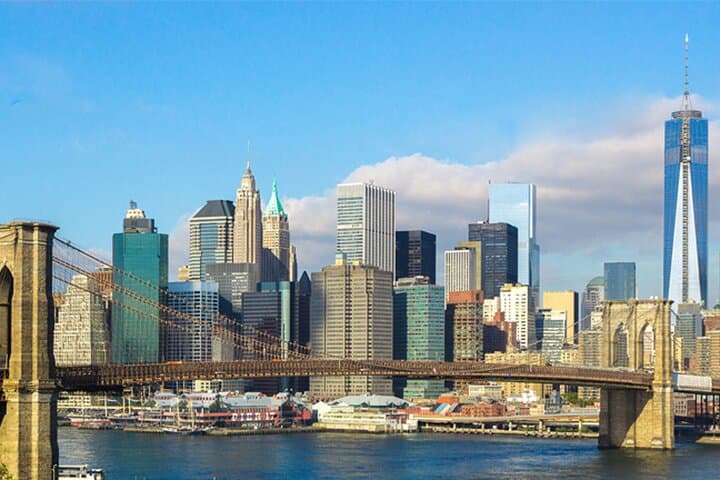
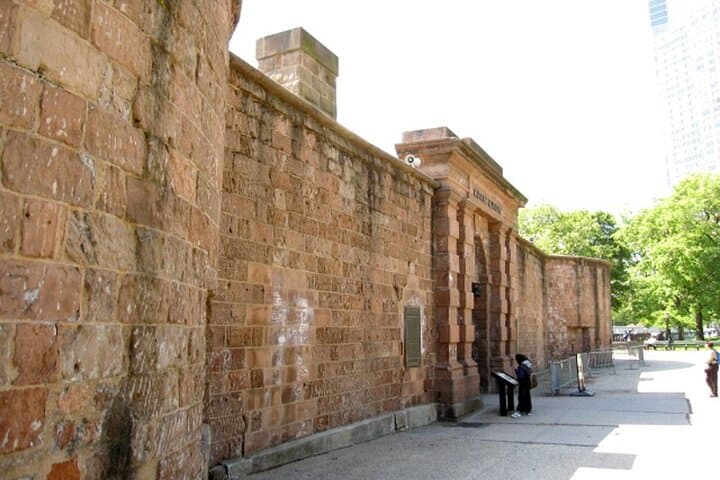
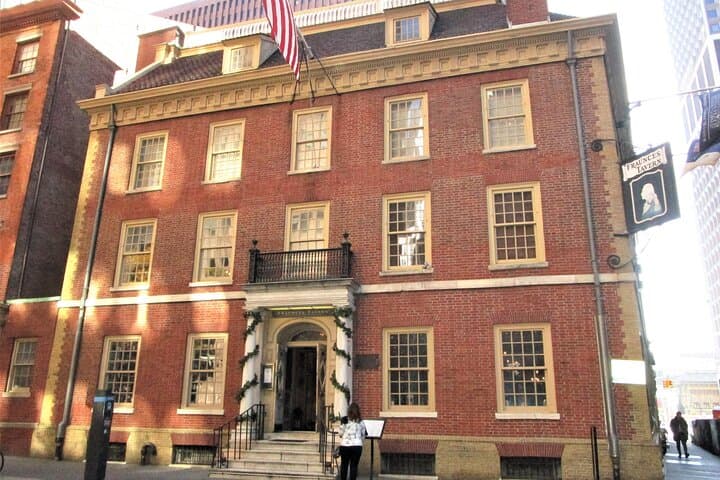
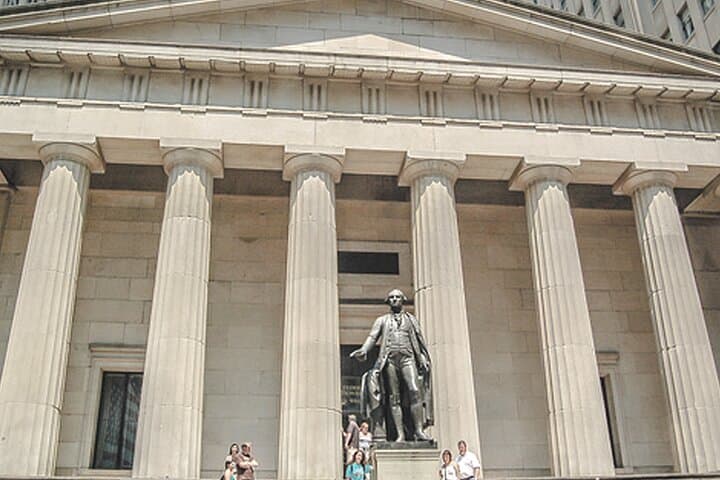
Expect concise, interpretive stops: early colonial sites, the financial district’s narrow canyons, historic churches, waterfront sheds turned entertainment hubs, and the solemn expanse of the 9/11 site. The guide personalizes the route, answering questions about street names, public art, and recent neighborhood revitalization.
Practical guidance: plan for four hours on foot with frequent standing and short walks between stops. Shoes with good soles beat style for comfort here; bring a refillable bottle and layers for changing weather. Mornings are quieter; afternoons bring commuter and tourist peaks. Photography is allowed at public sites, but be mindful and observant at memorial areas; some places require silence and restraint.
This is a walk for curious travelers who want context with cadence — lively storytelling, compact history lessons, and a clear sense of how a small patch of land shaped a global city.
easy.
4 hours.
Suitable for most fitness levels; expect moderate walking and several short periods of standing
The tour is approximately four hours with continuous walking between stops and several short standing segments; expect a mix of flat sidewalks and occasional uneven surfaces.
Yes — the tour notes wheelchair accessibility and can be adapted, but inform the operator of any specific needs when booking for best routing.
Yes — the private tour can be personalized to highlight interests like colonial history, architecture, finance, or food stops; communicate preferences at booking.
It begins by the south gate near the National Museum of the American Indian and typically ends at or near One World Trade Center, with alternate nearby drop-off on request.
Lower Manhattan traces colonial Dutch settlement, Revolutionary-era civic sites, and the rise of global finance centered on Wall Street and the port.
High visitor volumes put pressure on memorial sites and waterfront habitats; stay on paths, avoid feeding wildlife, and follow local guidelines to protect public spaces.
New York Historical Tours operates guided outdoor trips and adventures with an emphasis on safety, stewardship, and memorable experiences.
You step out by the south gate of the park facing the National Museum of the American Indian, the clack of city life folding around a narrower, older Manhattan. Cobblestones and cast-iron facades give way to glass towers; the Hudson whispers at the edge of sight, urging you toward piers and history alike.
You step out by the south gate of the park facing the National Museum of the American Indian, the clack of city life folding around a narrower, older Manhattan. Cobblestones and cast-iron facades give way to glass towers; the Hudson whispers at the edge of sight, urging you toward piers and history alike.
This half-day walk threads Lower Manhattan’s layered past — Dutch colonial plots, Revolutionary-era streets, the rise of Wall Street and the iron will of immigrant merchant ports. Geology here is urban: landfill and reclaimed shorelines that pushed commerce outward, brick by brick. Culture is loud and practical; you’ll hear finance, faith, and maritime stories told by a guide who links artifacts, architecture, and daily rhythms.
Expect concise, interpretive stops: early colonial sites, the financial district’s narrow canyons, historic churches, waterfront sheds turned entertainment hubs, and the solemn expanse of the 9/11 site. The guide personalizes the route, answering questions about street names, public art, and recent neighborhood revitalization.
Practical guidance: plan for four hours on foot with frequent standing and short walks between stops. Shoes with good soles beat style for comfort here; bring a refillable bottle and layers for changing weather. Mornings are quieter; afternoons bring commuter and tourist peaks. Photography is allowed at public sites, but be mindful and observant at memorial areas; some places require silence and restraint.
This is a walk for curious travelers who want context with cadence — lively storytelling, compact history lessons, and a clear sense of how a small patch of land shaped a global city.