THE ADVENTURE COLLECTIVE® · Independent discovery and booking for outdoor travel

Walk through Downtown LA’s edible core on a three-hour guided tasting tour that pairs history and architecture with six iconic stops—Grand Central Market, artisan bakeries, and longtime ethnic stalls. Small groups make it easy to taste smart and learn local lore.
Walk through Downtown LA’s edible core on a three-hour guided tasting tour that pairs history and architecture with six iconic stops—Grand Central Market, artisan bakeries, and longtime ethnic stalls. Small groups make it easy to taste smart and learn local lore.
You step out onto Olive Street and the city opens like a kitchen: glass towers throwing shadows across brick facades, vendors calling over the hum of traffic, warm bread scenting the air. The three-hour walking tour threads through Downtown Los Angeles—starting near an artisanal bakery, moving through Grand Central Market, and past architectural landmarks that whisper of the city’s past.
Verified experiences and guided adventures in the surrounding area.
Operated by Sidewalk Food Tours · Los Angeles, California
You step out onto Olive Street and the city opens like a kitchen: glass towers throwing shadows across brick facades, vendors calling over the hum of traffic, warm bread scenting the air. The three-hour walking tour threads through Downtown Los Angeles—starting near an artisanal bakery, moving through Grand Central Market, and past architectural landmarks that whisper of the city’s past.
Downtown LA is layered history: the mercantile bustle of early 20th-century commerce, the immigrant waves that refashioned ingredients and recipes, and civic booms that left buildings like the Bradbury as living records. Geologically you’re in the L.A. Basin—flat streets interrupted by short rises and staircases that hint at the foothills nearby. That urban geology shapes the walk: short inclines, mostly paved sidewalks and market aisles packed with people.
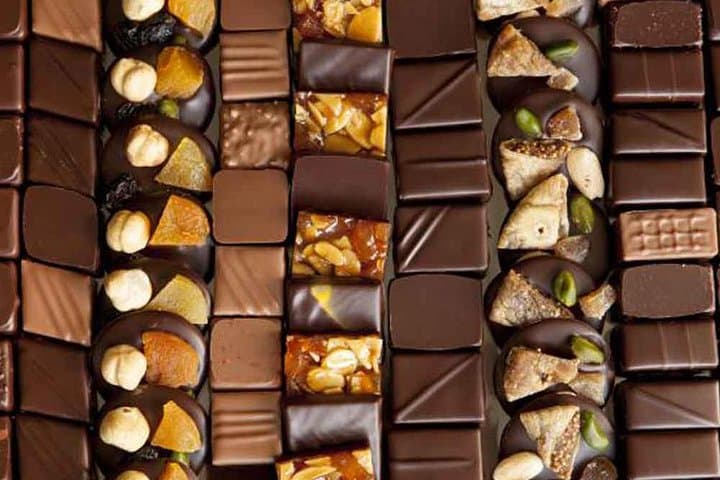
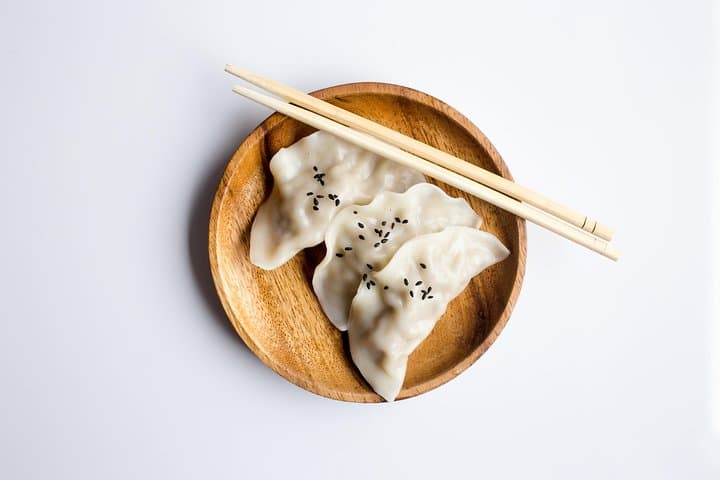
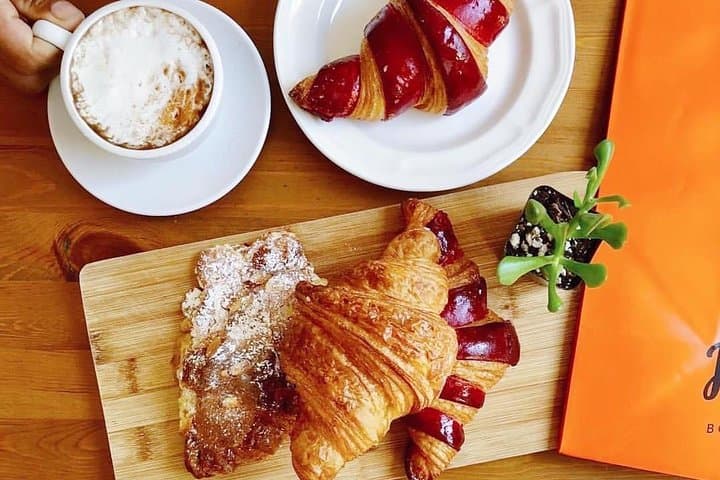
Culturally the tour highlights how tacos, Thai street food, French viennoiserie and Korean homestyle cooking now sit block-to-block—each vendor a chapter in the city’s ongoing food story. Guides connect dishes to neighborhoods and migration patterns, giving context to every bite.
Practical guidance: expect roughly 1.5–2 miles of walking with a few short stairs; wear comfortable walking shoes and bring a reusable water bottle. Pace tastings—six stops are typical—and flag dietary needs in advance. Public transit serves the meeting point and street parking is limited; tours run rain or shine and cap at about a dozen people, making for an intimate, informative stroll through one of Los Angeles’ most edible neighborhoods.
easy.
2–3 hours.
Suitable for most fitness levels; requires standing and walking up to 1.5–2 miles with short stairs.
Expect about six tastings at a mix of bakeries, market stalls and restaurants—enough to sample a variety but not replace a full meal.
The tour is listed as wheelchair and stroller accessible, though there are a few short staircases at some stops—notify the operator for accommodations.
Yes; let the tour operator know at booking and the guide will help select appropriate stops or substitutions when possible.
Tours cap at around 12 people; full refunds are available if you cancel at least 24 hours before the scheduled departure.
Downtown Los Angeles grew rapidly in the early 1900s; Grand Central Market opened in 1917 and has been a focal point for immigrant foodways ever since.
Support local vendors by bringing reusable containers when appropriate, take your waste with you, and respect neighborhood businesses to reduce the tour’s footprint.
Sidewalk Food Tours operates guided outdoor trips and adventures with an emphasis on safety, stewardship, and memorable experiences.
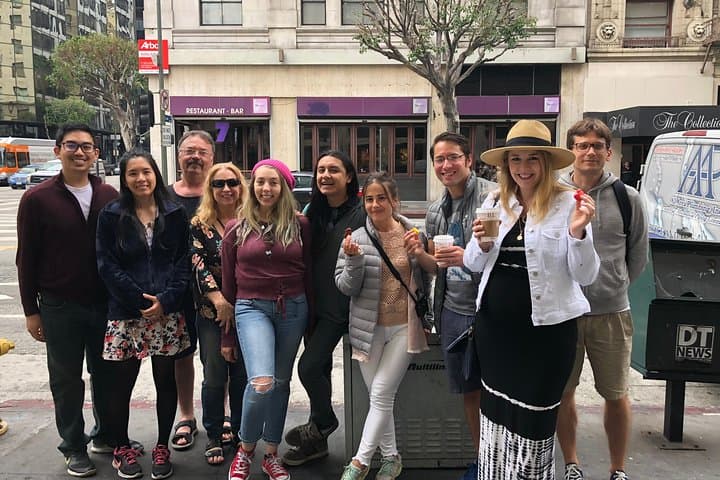
You step out onto Olive Street and the city opens like a kitchen: glass towers throwing shadows across brick facades, vendors calling over the hum of traffic, warm bread scenting the air. The three-hour walking tour threads through Downtown Los Angeles—starting near an artisanal bakery, moving through Grand Central Market, and past architectural landmarks that whisper of the city’s past.
You step out onto Olive Street and the city opens like a kitchen: glass towers throwing shadows across brick facades, vendors calling over the hum of traffic, warm bread scenting the air. The three-hour walking tour threads through Downtown Los Angeles—starting near an artisanal bakery, moving through Grand Central Market, and past architectural landmarks that whisper of the city’s past.
Downtown LA is layered history: the mercantile bustle of early 20th-century commerce, the immigrant waves that refashioned ingredients and recipes, and civic booms that left buildings like the Bradbury as living records. Geologically you’re in the L.A. Basin—flat streets interrupted by short rises and staircases that hint at the foothills nearby. That urban geology shapes the walk: short inclines, mostly paved sidewalks and market aisles packed with people.
Culturally the tour highlights how tacos, Thai street food, French viennoiserie and Korean homestyle cooking now sit block-to-block—each vendor a chapter in the city’s ongoing food story. Guides connect dishes to neighborhoods and migration patterns, giving context to every bite.
Practical guidance: expect roughly 1.5–2 miles of walking with a few short stairs; wear comfortable walking shoes and bring a reusable water bottle. Pace tastings—six stops are typical—and flag dietary needs in advance. Public transit serves the meeting point and street parking is limited; tours run rain or shine and cap at about a dozen people, making for an intimate, informative stroll through one of Los Angeles’ most edible neighborhoods.