THE ADVENTURE COLLECTIVE® · Independent discovery and booking for outdoor travel

Walk downtown Lafayette with a local guide to hear Acadian migration stories, Cajun folklore like the Rougarou, and the food traditions that define the city. This two-hour, accessible tour mixes history, culture, and practical local tips for restaurants and music venues.
Walk downtown Lafayette with a local guide to hear Acadian migration stories, Cajun folklore like the Rougarou, and the food traditions that define the city. This two-hour, accessible tour mixes history, culture, and practical local tips for restaurants and music venues.
You meet on the sidewalk in front of St. John Cathedral as a humid Louisiana morning settles over brick storefronts and live oaks that have watched the city change for centuries. The guide, born and raised here, leads the group past a 500-year live oak, through narrow streets where the scent of smoked meat and coffee hangs in the air, and toward small galleries that keep Cajun music alive.
Verified experiences and guided adventures in the surrounding area.
Operated by Cassie · Lafayette, Louisiana
You meet on the sidewalk in front of St. John Cathedral as a humid Louisiana morning settles over brick storefronts and live oaks that have watched the city change for centuries. The guide, born and raised here, leads the group past a 500-year live oak, through narrow streets where the scent of smoked meat and coffee hangs in the air, and toward small galleries that keep Cajun music alive.
This two-hour route traces how Acadian exiles reshaped southern Louisiana—why French and Creole rhythms anchor community life, how foodways from smokehouses to poboy shops reflect survival and celebration, and where folklore like the Rougarou still circulates in late-night talk. Geologically, Lafayette sits on alluvial plains fed by the Vermilion River; the flat, low-lying terrain explains the city’s relationship to waterways and why raised architecture mattered historically.
Expect mostly paved sidewalks, short blocks between stops, and negligible elevation—roughly 1–1.5 miles total with under 50 feet of gain. You'll pause at a historic smokehouse, an art venue that doubled as a music hall, and a local gift shop where Cajun French endures. Along the way the river and the live oak almost seem to comment, nudging you toward stories and tastes.
Practical notes: bring comfortable shoes, a filled water bottle, and sun protection for summer. Tours are wheelchair accessible and family-friendly; audio can get lively, so arrive on time to catch key stops and local recommendations for meals and nightlife.
easy.
2 hours.
Minimal fitness required—suitable for most walkers who can cover 1–1.5 miles on flat paved surfaces.
The tour meets on the sidewalk directly in front of St. John Cathedral in downtown Lafayette; street parking is available nearby on Vermilion and Jefferson.
Yes—this route and the listed stops are described as wheelchair and stroller accessible, with mostly paved surfaces and gentle approaches.
Expect about 1–1.5 miles of walking over flat, paved downtown streets with negligible elevation gain (under 50 feet) over two hours.
Yes—local restaurant and shop recommendations are part of the tour, and there is a scheduled 15-minute stop for coffee, ice cream, or cocktails.
Lafayette evolved around Acadian refugees who reshaped language, music, and cuisine; the city’s French-speaking roots still influence festivals and family life.
Preserving downtown’s historic buildings and supporting local artisans helps maintain cultural landscapes; visitors can support language and music programs by buying from local shops and attending performances.
Cassie operates guided outdoor trips and adventures with an emphasis on safety, stewardship, and memorable experiences.
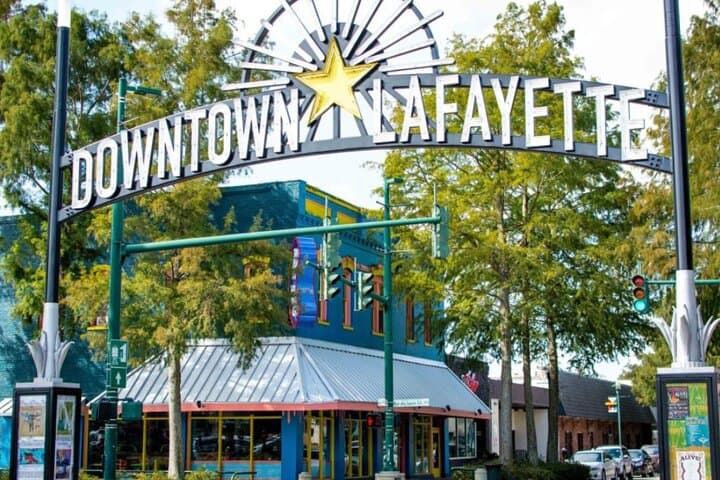
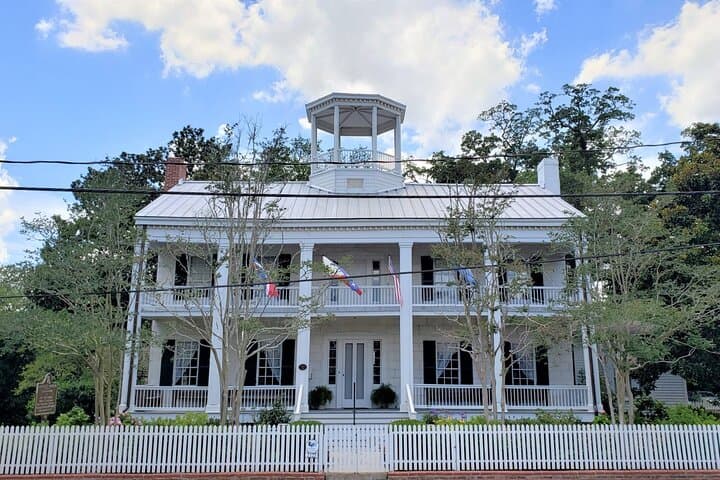
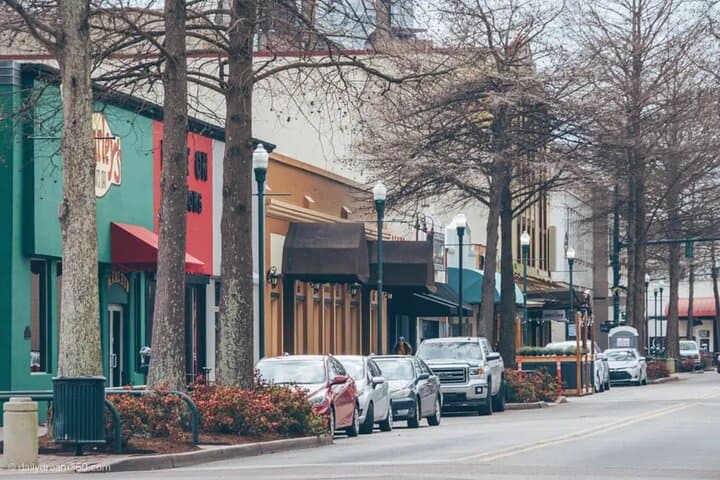
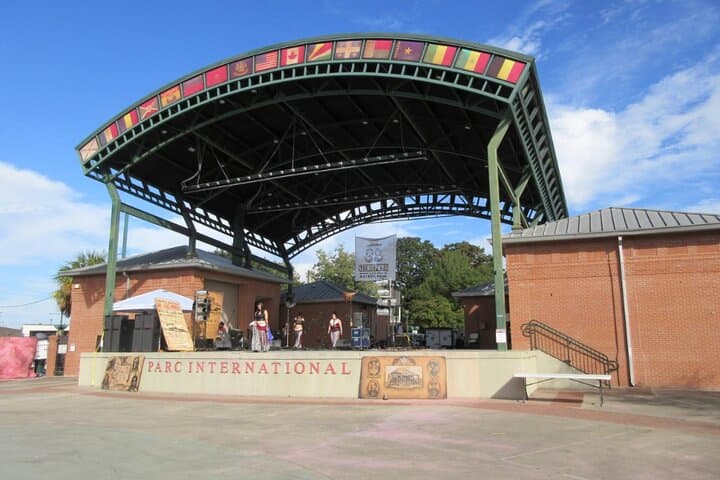
You meet on the sidewalk in front of St. John Cathedral as a humid Louisiana morning settles over brick storefronts and live oaks that have watched the city change for centuries. The guide, born and raised here, leads the group past a 500-year live oak, through narrow streets where the scent of smoked meat and coffee hangs in the air, and toward small galleries that keep Cajun music alive.
You meet on the sidewalk in front of St. John Cathedral as a humid Louisiana morning settles over brick storefronts and live oaks that have watched the city change for centuries. The guide, born and raised here, leads the group past a 500-year live oak, through narrow streets where the scent of smoked meat and coffee hangs in the air, and toward small galleries that keep Cajun music alive.
This two-hour route traces how Acadian exiles reshaped southern Louisiana—why French and Creole rhythms anchor community life, how foodways from smokehouses to poboy shops reflect survival and celebration, and where folklore like the Rougarou still circulates in late-night talk. Geologically, Lafayette sits on alluvial plains fed by the Vermilion River; the flat, low-lying terrain explains the city’s relationship to waterways and why raised architecture mattered historically.
Expect mostly paved sidewalks, short blocks between stops, and negligible elevation—roughly 1–1.5 miles total with under 50 feet of gain. You'll pause at a historic smokehouse, an art venue that doubled as a music hall, and a local gift shop where Cajun French endures. Along the way the river and the live oak almost seem to comment, nudging you toward stories and tastes.
Practical notes: bring comfortable shoes, a filled water bottle, and sun protection for summer. Tours are wheelchair accessible and family-friendly; audio can get lively, so arrive on time to catch key stops and local recommendations for meals and nightlife.