THE ADVENTURE COLLECTIVE® · Independent discovery and booking for outdoor travel

Walk 2.5 hours through downtown Chicago’s most iconic public art—from Cloud Gate to Crown Fountain—guided in a small-group format. Learn the city’s post-fire design, sculptural stories, and practical tips for navigating crowded plazas.
Walk 2.5 hours through downtown Chicago’s most iconic public art—from Cloud Gate to Crown Fountain—guided in a small-group format. Learn the city’s post-fire design, sculptural stories, and practical tips for navigating crowded plazas.
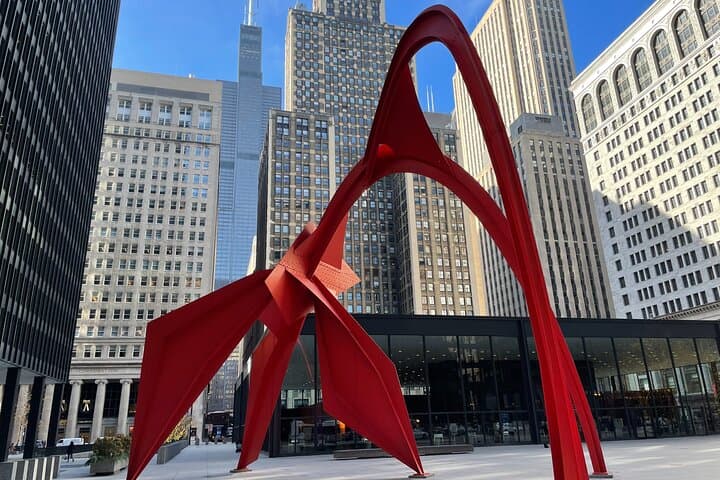
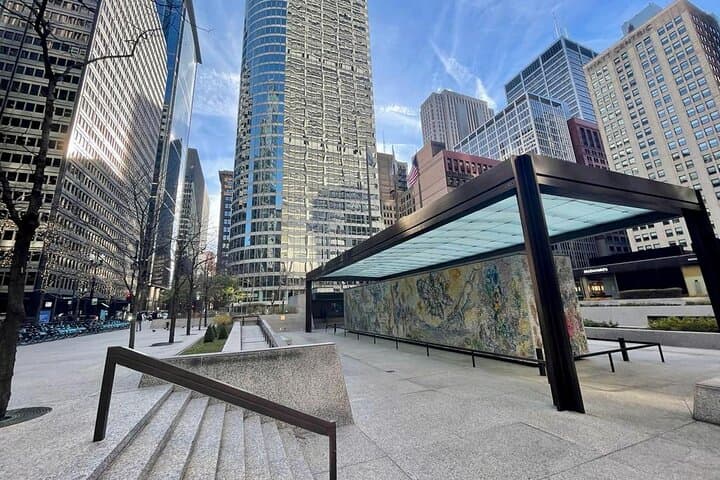
Morning light slices between glass and limestone as the group gathers by the Art Institute lions, the city already humming. Over 2.5 hours you'll thread plazas and promenades, pausing at mirrored steel, painted facades, and fountains that speak louder than plaques. Guides point out an evolving public gallery: Kapoor’s reflective Cloud Gate bending the skyline, Plensa’s Crown Fountain projecting faces and laughter, and Calder’s Flamingo balancing bright geometry against Federal-style office blocks.
Verified experiences and guided adventures in the surrounding area.
Operated by Babylon Tours Chicago · Chicago, Illinois
Morning light slices between glass and limestone as the group gathers by the Art Institute lions, the city already humming. Over 2.5 hours you'll thread plazas and promenades, pausing at mirrored steel, painted facades, and fountains that speak louder than plaques. Guides point out an evolving public gallery: Kapoor’s reflective Cloud Gate bending the skyline, Plensa’s Crown Fountain projecting faces and laughter, and Calder’s Flamingo balancing bright geometry against Federal-style office blocks.
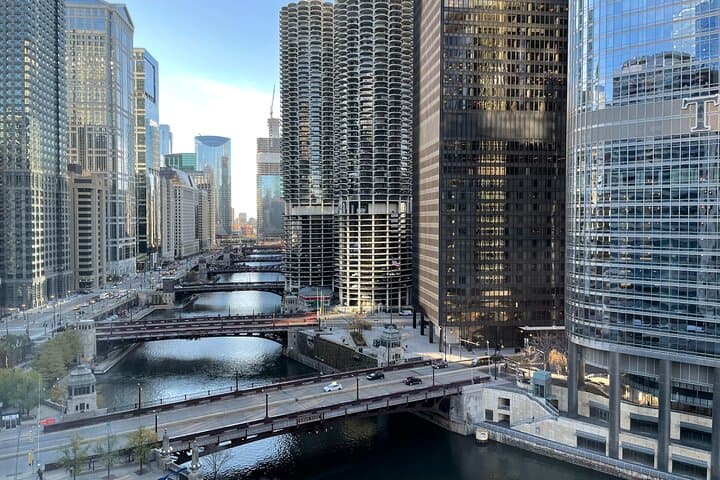
Chicago’s public art rose from a Renaissance-style rebuilding after the 1871 fire, when planners and patrons made the Loop an open-air stage for modern sculpture and monumental mosaics. The geology beneath your feet—glacial till overlying reheated lake clays—gave the shoreline and sandbar formations that shaped the grid and the river bends artists now frame. Cultural layers are as visible as bronze: immigrant labor, wealthy turn-of-the-century donors, and 20th–21st-century municipal programs that funded murals and installations.
Practical edge: expect 1.5–2 miles of easy pavement walking with frequent stops and standing; sidewalks and plazas are mostly flat but can be crowded. Wear supportive shoes, bring a charged phone for photos and guide messaging, and plan for variable weather—Chicago’s wind off the lake is a character in every season. Arrive 10 minutes early at the left lion, carry water, and be ready to ask questions: many pieces have stories that only surface when you stand close.
moderate.
2–3 hours.
Moderate—able to stand and walk steadily for up to 2.5 hours and manage short stair or curb transitions.
Meet at the left lion outside the Art Institute of Chicago (111 S. Michigan Ave); arrive 10 minutes early.
Yes—strollers are allowed; children should be able to manage city sidewalks and occasional crowds.
Cloud Gate’s surface is intended for interaction, but follow the guide’s instructions and be mindful of busy times and signage.
The tour runs in light rain; bring a rain jacket—full cancellations follow the operator’s policy and notifications are sent in advance.
After the Great Chicago Fire of 1871, urban rebuilding prioritized grand architecture and open civic spaces—conditions that allowed public art programs to flourish through the 20th century.
High foot traffic and interaction means visitors should follow signage, avoid climbing installations, and respect guided rules to protect surfaces and digital displays.
Babylon Tours Chicago operates guided outdoor trips and adventures with an emphasis on safety, stewardship, and memorable experiences.
Morning light slices between glass and limestone as the group gathers by the Art Institute lions, the city already humming. Over 2.5 hours you'll thread plazas and promenades, pausing at mirrored steel, painted facades, and fountains that speak louder than plaques. Guides point out an evolving public gallery: Kapoor’s reflective Cloud Gate bending the skyline, Plensa’s Crown Fountain projecting faces and laughter, and Calder’s Flamingo balancing bright geometry against Federal-style office blocks.
Morning light slices between glass and limestone as the group gathers by the Art Institute lions, the city already humming. Over 2.5 hours you'll thread plazas and promenades, pausing at mirrored steel, painted facades, and fountains that speak louder than plaques. Guides point out an evolving public gallery: Kapoor’s reflective Cloud Gate bending the skyline, Plensa’s Crown Fountain projecting faces and laughter, and Calder’s Flamingo balancing bright geometry against Federal-style office blocks.
Chicago’s public art rose from a Renaissance-style rebuilding after the 1871 fire, when planners and patrons made the Loop an open-air stage for modern sculpture and monumental mosaics. The geology beneath your feet—glacial till overlying reheated lake clays—gave the shoreline and sandbar formations that shaped the grid and the river bends artists now frame. Cultural layers are as visible as bronze: immigrant labor, wealthy turn-of-the-century donors, and 20th–21st-century municipal programs that funded murals and installations.
Practical edge: expect 1.5–2 miles of easy pavement walking with frequent stops and standing; sidewalks and plazas are mostly flat but can be crowded. Wear supportive shoes, bring a charged phone for photos and guide messaging, and plan for variable weather—Chicago’s wind off the lake is a character in every season. Arrive 10 minutes early at the left lion, carry water, and be ready to ask questions: many pieces have stories that only surface when you stand close.