THE ADVENTURE COLLECTIVE® · Independent discovery and booking for outdoor travel

Spend a full day from London visiting Downton Abbey filming locations — Cogges Manor Farm, Bampton village and Highclere Castle. This guided small-group tour blends on-location history with time to explore castle grounds and period rooms.
Spend a full day from London visiting Downton Abbey filming locations — Cogges Manor Farm, Bampton village and Highclere Castle. This guided small-group tour blends on-location history with time to explore castle grounds and period rooms.
A damp London morning thins as the minivan slips west onto the M4, and the guide’s low, practiced voice begins to sketch the world of Downton Abbey. By mid-morning the landscape has changed to rolling limestone hills and hedgerows; farms and stone cottages take on the quiet of period drama sets. The bus pulls up near Cogges Manor Farm, where weathered barns and fields used in filming give way to Bampton’s narrow streets—its church tower and the Grantham Arms frontage instantly recognisable to fans.
Verified experiences and guided adventures in the surrounding area.
Operated by International Friends · Highclere, Hampshire
A damp London morning thins as the minivan slips west onto the M4, and the guide’s low, practiced voice begins to sketch the world of Downton Abbey. By mid-morning the landscape has changed to rolling limestone hills and hedgerows; farms and stone cottages take on the quiet of period drama sets. The bus pulls up near Cogges Manor Farm, where weathered barns and fields used in filming give way to Bampton’s narrow streets—its church tower and the Grantham Arms frontage instantly recognisable to fans.
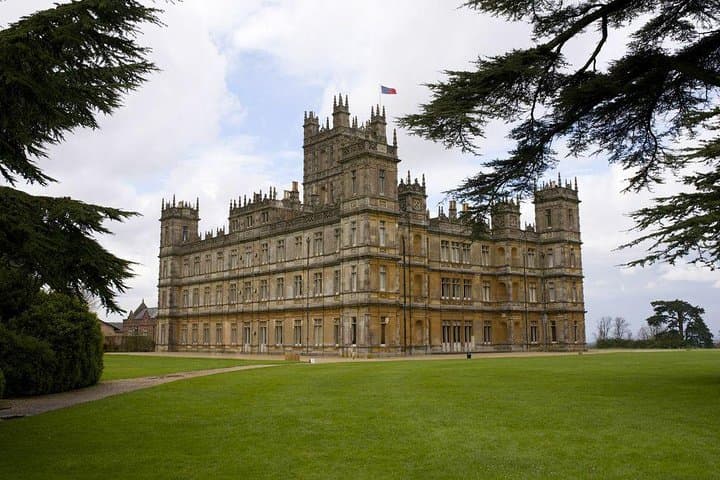
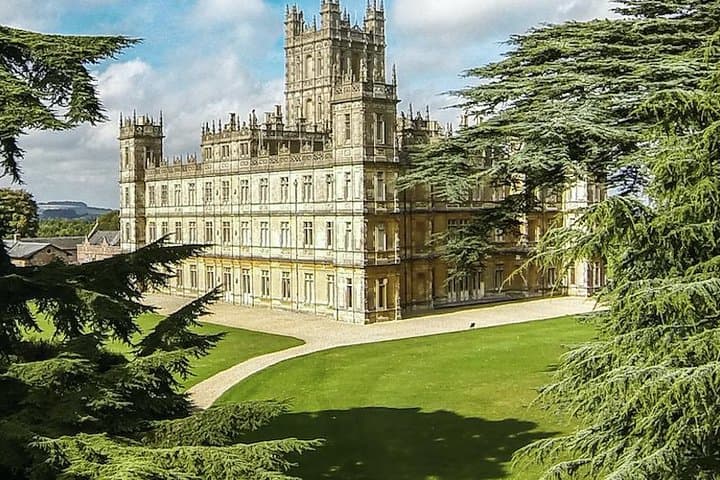
Highclere Castle dominates the afternoon: an aristocratic pile of ashlar stone, lawns edged with clipped yew and borders bearing the weight of formal Victorian design. The estate’s layered history is tangible here — the Carnarvon family have shaped the house since the late 1600s, and the 5th Earl’s Egyptian excavations left a surprising footprint in the castle’s exhibits. Geology of the region is gentle: Upper Cretaceous chalk underpins the rolling topography that made this part of southern England ideal for parks and manor farming.
Practicalities: expect about 11 hours door-to-door from London, moderate walking on village lanes and estate lawns, and gates that prohibit large backpacks and interior photography. Bring layered clothing and wet-weather gear; the gardens and woodlands can be exposed late in the day. Timed entries and limited group size mean the visit moves at a steady pace—arrive rested, keep valuables minimal, and plan for tea or lunch at the castle café. For fans and cultural explorers alike, this is a day where narrative, landscape and history move in step.
easy.
10–11 hours.
Suitable for most fitness levels; requires standing and moderate walking on uneven village lanes and estate grounds.
The tour runs about 11 hours round trip from central London, with time at Cogges, Bampton and Highclere included.
Yes — the itinerary includes guided entry to the castle state rooms, grounds and selected exhibitions as described.
No — photography and videography are not permitted inside the castle; taking photos on the grounds is allowed for personal use.
Yes — there are onsite tea rooms at Highclere and cafes near Cogges; guests should budget for meals and have snacks if desired.
Highclere has been the Carnarvon family seat since the late 17th century; the 5th Earl financed archaeological work in Egypt that contributes to a small Egyptian collection at the castle.
Highclere manages formal gardens and parkland with grazing regimes and native planting to maintain biodiversity; visitors are asked to stick to paths to protect fragile borders.
International Friends operates guided outdoor trips and adventures with an emphasis on safety, stewardship, and memorable experiences.
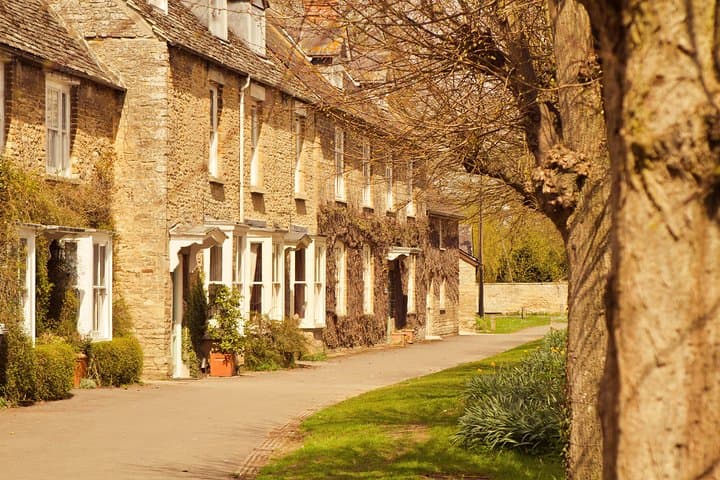
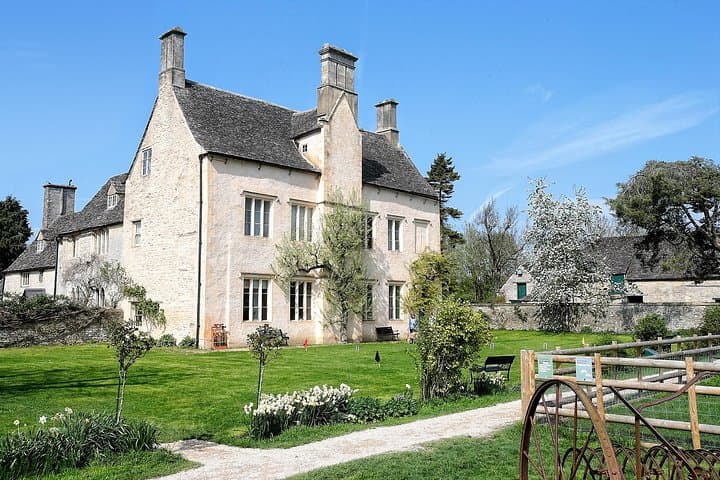
A damp London morning thins as the minivan slips west onto the M4, and the guide’s low, practiced voice begins to sketch the world of Downton Abbey. By mid-morning the landscape has changed to rolling limestone hills and hedgerows; farms and stone cottages take on the quiet of period drama sets. The bus pulls up near Cogges Manor Farm, where weathered barns and fields used in filming give way to Bampton’s narrow streets—its church tower and the Grantham Arms frontage instantly recognisable to fans.
A damp London morning thins as the minivan slips west onto the M4, and the guide’s low, practiced voice begins to sketch the world of Downton Abbey. By mid-morning the landscape has changed to rolling limestone hills and hedgerows; farms and stone cottages take on the quiet of period drama sets. The bus pulls up near Cogges Manor Farm, where weathered barns and fields used in filming give way to Bampton’s narrow streets—its church tower and the Grantham Arms frontage instantly recognisable to fans.
Highclere Castle dominates the afternoon: an aristocratic pile of ashlar stone, lawns edged with clipped yew and borders bearing the weight of formal Victorian design. The estate’s layered history is tangible here — the Carnarvon family have shaped the house since the late 1600s, and the 5th Earl’s Egyptian excavations left a surprising footprint in the castle’s exhibits. Geology of the region is gentle: Upper Cretaceous chalk underpins the rolling topography that made this part of southern England ideal for parks and manor farming.
Practicalities: expect about 11 hours door-to-door from London, moderate walking on village lanes and estate lawns, and gates that prohibit large backpacks and interior photography. Bring layered clothing and wet-weather gear; the gardens and woodlands can be exposed late in the day. Timed entries and limited group size mean the visit moves at a steady pace—arrive rested, keep valuables minimal, and plan for tea or lunch at the castle café. For fans and cultural explorers alike, this is a day where narrative, landscape and history move in step.