THE ADVENTURE COLLECTIVE® · Independent discovery and booking for outdoor travel

Ride down from Abra Málaga to Machu Picchu town across 56 km of high-jungle descent. This guided mountain-bike tour blends high-altitude views, cloud-forest corridors and thermal baths at Santa Teresa—ideal for those acclimatized to the Andes.
Ride down from Abra Málaga to Machu Picchu town across 56 km of high-jungle descent. This guided mountain-bike tour blends high-altitude views, cloud-forest corridors and thermal baths at Santa Teresa—ideal for those acclimatized to the Andes.
You push off at 4,350 meters on Abra Málaga and the world leans forward: cold puna air, a sweep of highland ridges on one side, and the cloud-fed green of the high jungle dropping away below. Gravity becomes your engine as newly paved road peels away for roughly 56 km of descending singletrack and dirt, through quebradas that hum with river noise and bird calls daring you to look up.
Verified experiences and guided adventures in the surrounding area.
Operated by Ortiz Adventure Tours Peru · Aguas Calientes (Machu Picchu Pueblo), Cusco Region
You push off at 4,350 meters on Abra Málaga and the world leans forward: cold puna air, a sweep of highland ridges on one side, and the cloud-fed green of the high jungle dropping away below. Gravity becomes your engine as newly paved road peels away for roughly 56 km of descending singletrack and dirt, through quebradas that hum with river noise and bird calls daring you to look up.
This route follows an alternate Inca-era corridor where Andean highlands blend into the Yungas. Geologically, you cross steeply incised valleys carved by the Urubamba watershed; soils shift from puna gravel to deeper, humid forest substrates as elevation falls. Culturally, the ride skirts communities shaped by Quechua farming and recent tourism—Santa María and Santa Teresa offer thermal pools and coffee farms that reveal modern life in the corridor beneath Machu Picchu.
Expect varied terrain: smooth paved stretches, loose gravel, occasional washouts, and tight hairpins. The thermal baths at Ccocalmayo are a natural cooldown if you add the short walk in Santa Teresa. Guides usually include a box lunch, safety vest, helmet and a mountain bike; Machu Picchu admission is separate.
Practical edge: acclimatize in Cusco or the Sacred Valley first—start cold and dress in layers for descending temperatures. Brake early on switchbacks and scan for agricultural traffic. Hydrate against altitude and bring a small repair kit; a guided group will handle logistics and transport, but basic bike control and careful attention on steep sections will make the difference between an unforgettable downhill and a long walk.
moderate.
5–6 hours.
Suitable for riders who can handle a continuous downhill for several hours and manage altitude; basic cardiovascular fitness recommended.
No — the tour typically ends in Machu Picchu town (Aguas Calientes); entry tickets to the archaeological site must be purchased separately.
The tour is marketed as beginner-friendly, but riders should be comfortable with long downhill sections and basic bike handling at varying speeds.
Yes — starting at 4,350 m makes prior acclimatization in Cusco or the Sacred Valley important to reduce altitude sickness risk.
Guides usually include hotel pickup in the Sacred Valley/Cusco, private transport during the tour, and a box lunch as listed in inclusions.
The corridor links highland Inca routes with lower Yungas settlements; modern roads trace these old connections toward Machu Picchu.
High visitor numbers near Machu Picchu put pressure on trails and local water; practice leave-no-trace, stick to designated roads, and support local guides.
Ortiz Adventure Tours Peru operates guided outdoor trips and adventures with an emphasis on safety, stewardship, and memorable experiences.
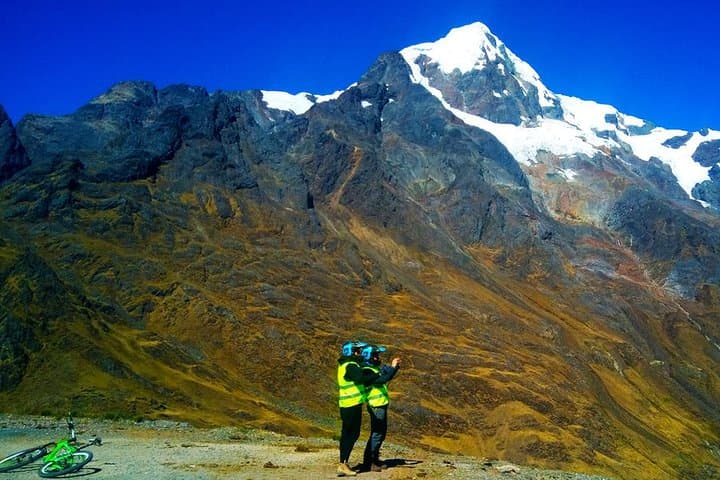
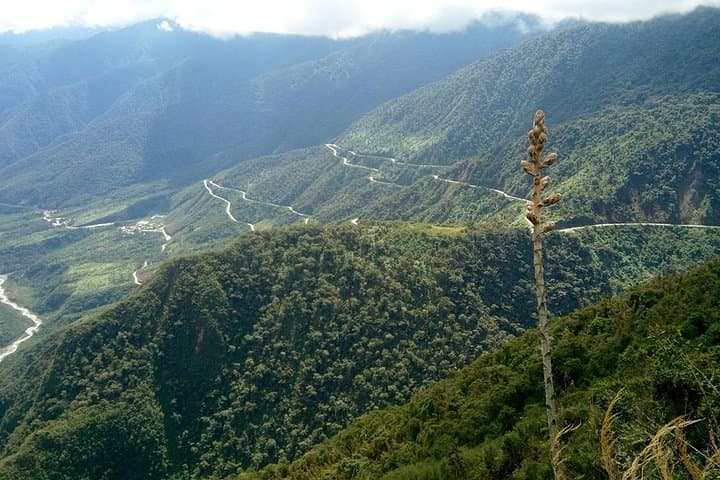
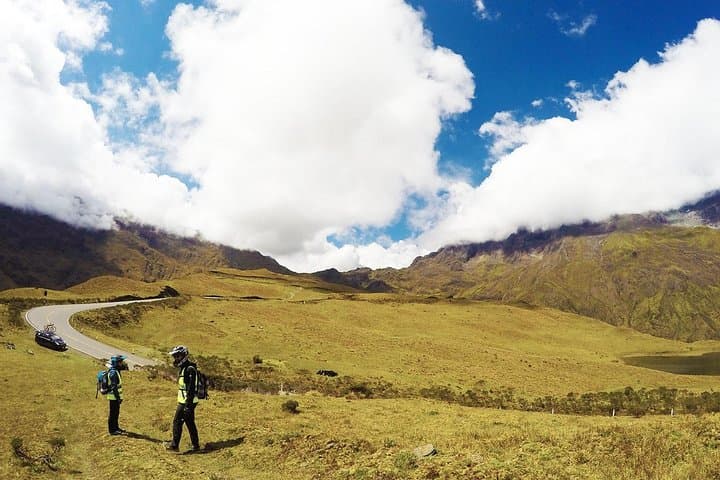
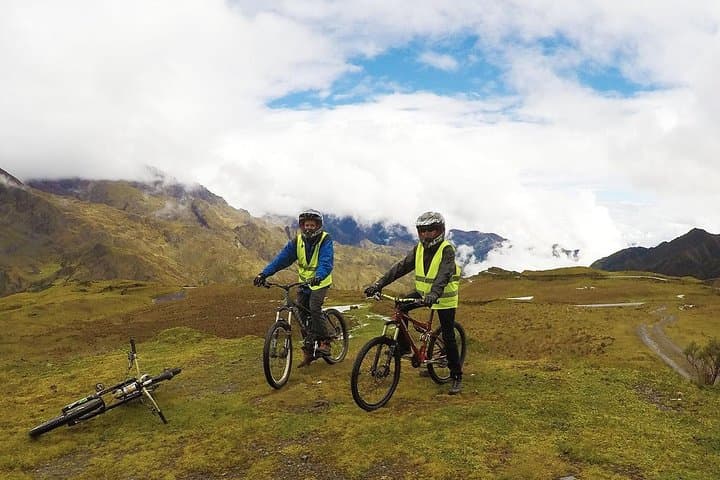
You push off at 4,350 meters on Abra Málaga and the world leans forward: cold puna air, a sweep of highland ridges on one side, and the cloud-fed green of the high jungle dropping away below. Gravity becomes your engine as newly paved road peels away for roughly 56 km of descending singletrack and dirt, through quebradas that hum with river noise and bird calls daring you to look up.
You push off at 4,350 meters on Abra Málaga and the world leans forward: cold puna air, a sweep of highland ridges on one side, and the cloud-fed green of the high jungle dropping away below. Gravity becomes your engine as newly paved road peels away for roughly 56 km of descending singletrack and dirt, through quebradas that hum with river noise and bird calls daring you to look up.
This route follows an alternate Inca-era corridor where Andean highlands blend into the Yungas. Geologically, you cross steeply incised valleys carved by the Urubamba watershed; soils shift from puna gravel to deeper, humid forest substrates as elevation falls. Culturally, the ride skirts communities shaped by Quechua farming and recent tourism—Santa María and Santa Teresa offer thermal pools and coffee farms that reveal modern life in the corridor beneath Machu Picchu.
Expect varied terrain: smooth paved stretches, loose gravel, occasional washouts, and tight hairpins. The thermal baths at Ccocalmayo are a natural cooldown if you add the short walk in Santa Teresa. Guides usually include a box lunch, safety vest, helmet and a mountain bike; Machu Picchu admission is separate.
Practical edge: acclimatize in Cusco or the Sacred Valley first—start cold and dress in layers for descending temperatures. Brake early on switchbacks and scan for agricultural traffic. Hydrate against altitude and bring a small repair kit; a guided group will handle logistics and transport, but basic bike control and careful attention on steep sections will make the difference between an unforgettable downhill and a long walk.