THE ADVENTURE COLLECTIVE® · Independent discovery and booking for outdoor travel

Pedal downhill from the volcanic rim toward Ubud, sampling coffee, visiting a local school and a priestly compound along the way. This accessible cultural cycling tour combines sweeping descent, varied terrain and immersive village stops.
Pedal downhill from the volcanic rim toward Ubud, sampling coffee, visiting a local school and a priestly compound along the way. This accessible cultural cycling tour combines sweeping descent, varied terrain and immersive village stops.
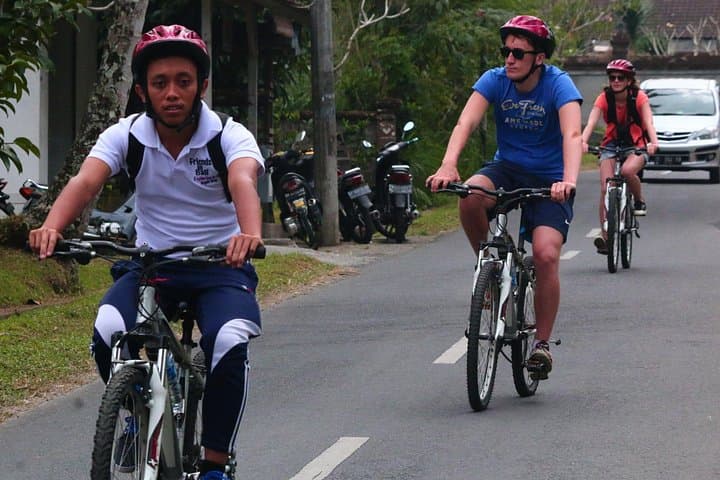
You push off from a high crater rim as the island exhales beneath you—rice terraces fold like green waves, and the early sun finds the volcanic slopes. The ride is mostly gravity, but your senses do the uphill work: the scent of roasted coffee, the bark of village dogs, and the patient clang of temple offerings being set out.
Verified experiences and guided adventures in the surrounding area.
Operated by Friends in Bali · Ubud, Bali
You push off from a high crater rim as the island exhales beneath you—rice terraces fold like green waves, and the early sun finds the volcanic slopes. The ride is mostly gravity, but your senses do the uphill work: the scent of roasted coffee, the bark of village dogs, and the patient clang of temple offerings being set out.
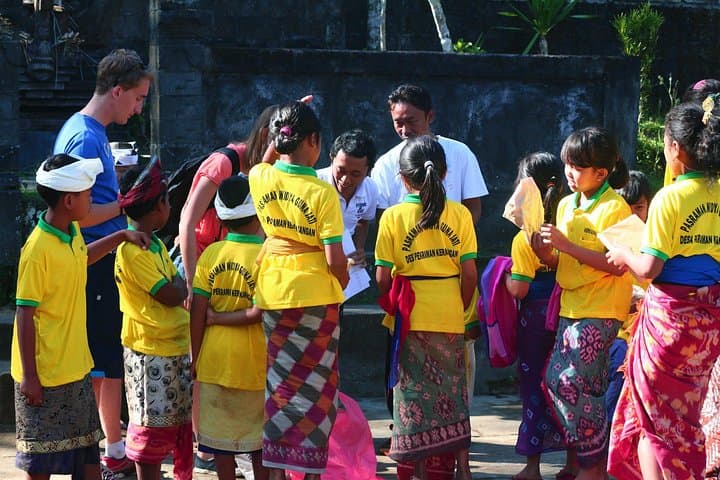
This style of Bali downhill tour typically starts in the higher volcanic plateau near Mount Batur and descends toward central Ubud through a landscape shaped by recent volcanic geology and centuries of irrigation engineering (subak). Along the way expect visits to a working coffee farm for a kopi tasting, a local school or charity stop, and a compound where traditional priestly practices persist—offering both cultural context and lived history of Balinese Hindu society.
Terrain is varied: paved village roads, occasional gravel lanes and short steep pitches; typical net descent ranges around 700–1,000 meters over 20–35 km, spread across many short switchbacks rather than one long run. Riders should be ready for heat in the lowlands, shifting road surfaces, and occasional motor traffic through small towns.
Practical guidance: start early to avoid midday heat, accept that guides will control pace through busy sections, and keep hydration, sunscreen and layered light clothing within reach. Basic bike-handling skills and moderate fitness make the day comfortable; helmets are standard and brakes will be your best friend. This is a culturally rich, accessible way to read Bali from the saddle.
moderate.
8 hours (including transfers and stops).
Moderate—regular cyclists or hikers with good cardiovascular fitness will be comfortable; some endurance for repeated short climbs helps.
Tours are mostly downhill but require moderate fitness for short climbs, stand-over handling and a several-hour day; basic cycling experience is recommended.
Yes—operators typically supply well-maintained bikes and helmets; you can bring your own helmet for comfort.
Light, breathable clothing, closed-toe shoes and sunscreen; a light jacket for higher elevations and a rain layer in the wet season are helpful.
Many operators have minimum age limits and require riders to be comfortable on narrow roads—check the operator’s age policy before booking.
The route follows lands shaped by Mount Batur’s eruptions and centuries of subak irrigation; the villages en route preserve traditional Balinese Hindu practices and communal farming systems.
Respect rice terraces and temple sites by staying on roads and paths; support local businesses and the school visit to funnel benefits to community conservation and education efforts.
Friends in Bali operates guided outdoor trips and adventures with an emphasis on safety, stewardship, and memorable experiences.
You push off from a high crater rim as the island exhales beneath you—rice terraces fold like green waves, and the early sun finds the volcanic slopes. The ride is mostly gravity, but your senses do the uphill work: the scent of roasted coffee, the bark of village dogs, and the patient clang of temple offerings being set out.
You push off from a high crater rim as the island exhales beneath you—rice terraces fold like green waves, and the early sun finds the volcanic slopes. The ride is mostly gravity, but your senses do the uphill work: the scent of roasted coffee, the bark of village dogs, and the patient clang of temple offerings being set out.
This style of Bali downhill tour typically starts in the higher volcanic plateau near Mount Batur and descends toward central Ubud through a landscape shaped by recent volcanic geology and centuries of irrigation engineering (subak). Along the way expect visits to a working coffee farm for a kopi tasting, a local school or charity stop, and a compound where traditional priestly practices persist—offering both cultural context and lived history of Balinese Hindu society.
Terrain is varied: paved village roads, occasional gravel lanes and short steep pitches; typical net descent ranges around 700–1,000 meters over 20–35 km, spread across many short switchbacks rather than one long run. Riders should be ready for heat in the lowlands, shifting road surfaces, and occasional motor traffic through small towns.
Practical guidance: start early to avoid midday heat, accept that guides will control pace through busy sections, and keep hydration, sunscreen and layered light clothing within reach. Basic bike-handling skills and moderate fitness make the day comfortable; helmets are standard and brakes will be your best friend. This is a culturally rich, accessible way to read Bali from the saddle.