THE ADVENTURE COLLECTIVE® · Independent discovery and booking for outdoor travel

Glide two hours down the Arut River from Pangkalan Bun to see riverfront markets, stilt houses, and daily life up close. This relaxed boat trip is ideal for travelers wanting cultural immersion and easy wildlife viewing without strenuous effort.
Glide two hours down the Arut River from Pangkalan Bun to see riverfront markets, stilt houses, and daily life up close. This relaxed boat trip is ideal for travelers wanting cultural immersion and easy wildlife viewing without strenuous effort.
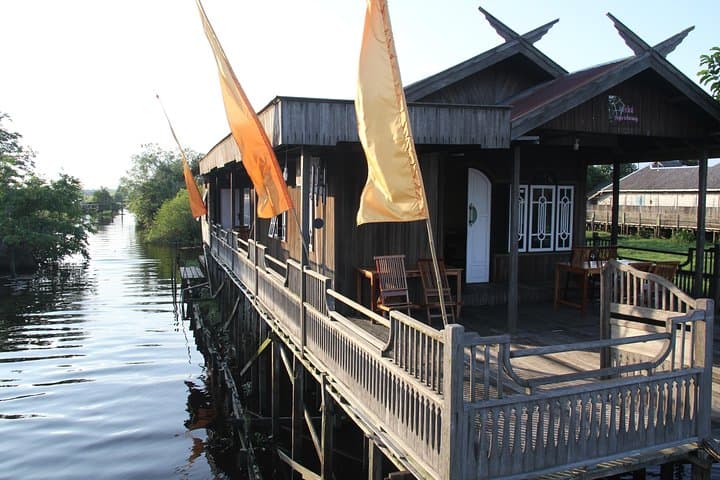
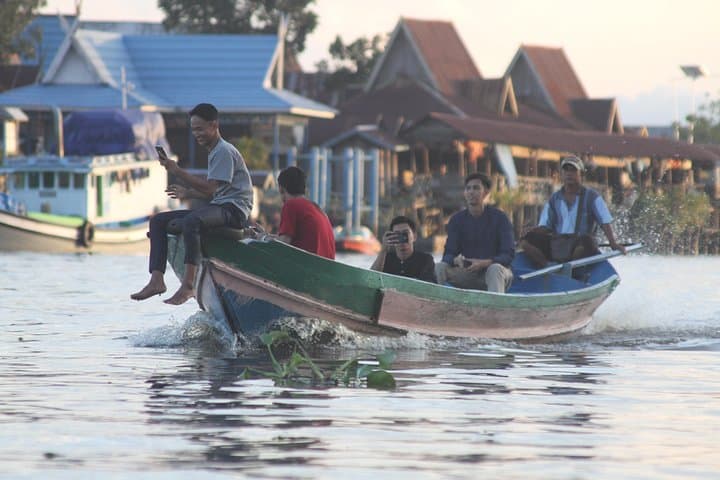
Early light slides across slow water and the Arut River answers with a soft wake—longhouses, stilt houses and market stalls lean toward the current as if listening. A two‑hour downstream run from Pangkalan Bun moves at local speed: casual, observant, and open to interruptions by fishermen, children paddling, and a market that folds into the bank.
Verified experiences and guided adventures in the surrounding area.
Operated by lookorangutan · Pangkalan Bun, Central Kalimantan
Early light slides across slow water and the Arut River answers with a soft wake—longhouses, stilt houses and market stalls lean toward the current as if listening. A two‑hour downstream run from Pangkalan Bun moves at local speed: casual, observant, and open to interruptions by fishermen, children paddling, and a market that folds into the bank.
Geology here is lowland alluvium—wide meanders carved through peat and river clay, fertile ground that supported the Kutawaringin polity and later made the river a regional lifeline. Culture follows the channel: boats are roads, riverfront stalls trade fish and snacks, and wooden bridges mark 5‑km stretches of access where tides still dictate daily routines.
Expect close views of riverside life rather than wilderness solitude. You’ll see netters hauling catches, houseboats tied to posts, and children racing bamboo rafts. Birdsong and kingfisher flashes punctuate the slow, humid air; mangrove roots and nipa palms frame the banks.
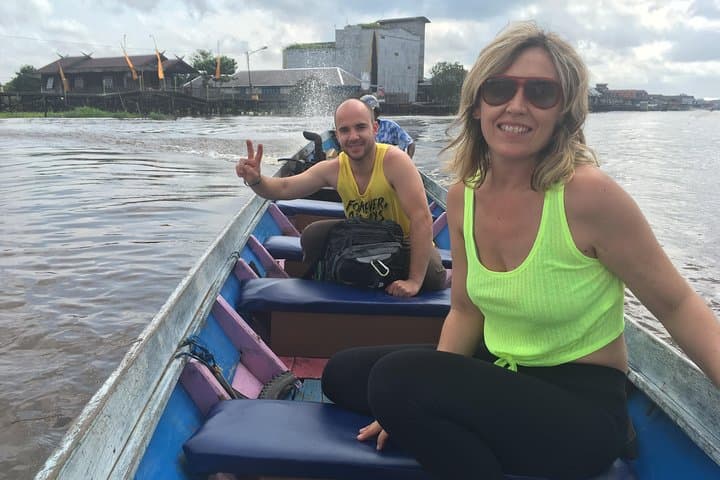
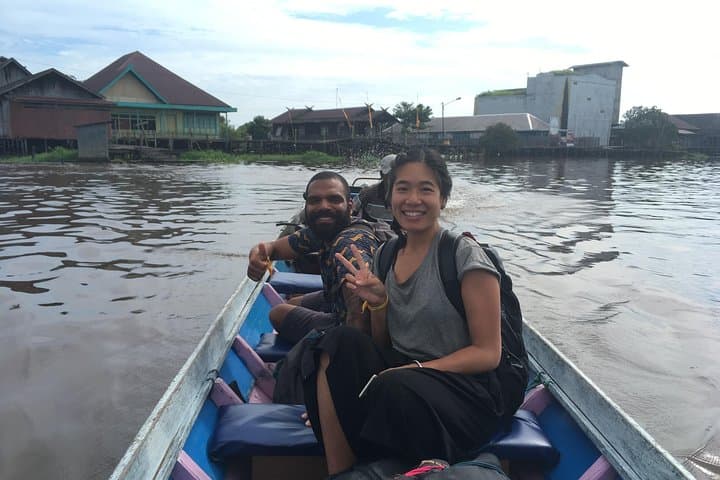
Practical notes: tours are short (about two hours), low exertion, and suitable for most travelers. Wear quick‑dry clothes, bring insect repellent and sunscreen, and secure electronics in a dry bag—splashing is common when docking. Afternoon trips catch the golden light as the river seems to push the sun toward the horizon; mornings are cooler and better for birds.
Be respectful of homes and private docks, ask before photographing people, and dispose of trash ashore. This trip is less about adrenaline and more about proximity: the river invites you to slow down and watch a working landscape do what it has done for generations.
easy.
2 hours.
Minimal fitness required; suitable for families and travelers comfortable sitting in a small boat for short periods
The advertised experience runs about two hours total—sufficient to travel a stretch of the river and visit riverside markets and villages.
Yes. The tour is classed as easy and accommodates most ages, though mobility issues that affect boarding small boats should be disclosed when booking.
Local guides commonly speak Indonesian; some operators provide basic English—confirm language needs when you book.
The trip typically includes bottled water and snacks; full meals are not part of the short excursion but local riverfront stalls offer food if you want to explore longer.
The Arut is a tributary of the Lamandau and was central to the rise of the Kutawaringin polity; rivers here historically formed transport and trade networks that shaped settlement patterns.
River health faces pressure from upstream logging and agricultural runoff; travelers can help by avoiding single‑use plastics and supporting local vendors rather than packaged imports.
lookorangutan operates guided outdoor trips and adventures with an emphasis on safety, stewardship, and memorable experiences.
Early light slides across slow water and the Arut River answers with a soft wake—longhouses, stilt houses and market stalls lean toward the current as if listening. A two‑hour downstream run from Pangkalan Bun moves at local speed: casual, observant, and open to interruptions by fishermen, children paddling, and a market that folds into the bank.
Early light slides across slow water and the Arut River answers with a soft wake—longhouses, stilt houses and market stalls lean toward the current as if listening. A two‑hour downstream run from Pangkalan Bun moves at local speed: casual, observant, and open to interruptions by fishermen, children paddling, and a market that folds into the bank.
Geology here is lowland alluvium—wide meanders carved through peat and river clay, fertile ground that supported the Kutawaringin polity and later made the river a regional lifeline. Culture follows the channel: boats are roads, riverfront stalls trade fish and snacks, and wooden bridges mark 5‑km stretches of access where tides still dictate daily routines.
Expect close views of riverside life rather than wilderness solitude. You’ll see netters hauling catches, houseboats tied to posts, and children racing bamboo rafts. Birdsong and kingfisher flashes punctuate the slow, humid air; mangrove roots and nipa palms frame the banks.
Practical notes: tours are short (about two hours), low exertion, and suitable for most travelers. Wear quick‑dry clothes, bring insect repellent and sunscreen, and secure electronics in a dry bag—splashing is common when docking. Afternoon trips catch the golden light as the river seems to push the sun toward the horizon; mornings are cooler and better for birds.
Be respectful of homes and private docks, ask before photographing people, and dispose of trash ashore. This trip is less about adrenaline and more about proximity: the river invites you to slow down and watch a working landscape do what it has done for generations.