THE ADVENTURE COLLECTIVE® · Independent discovery and booking for outdoor travel

Disembark at Dover and trade the ship’s rhythm for chalk cliffs, medieval keeps and wartime tunnels. This private shore transfer pairs a photo stop at the White Cliffs with a focused visit to Dover Castle before onward travel to London.
Disembark at Dover and trade the ship’s rhythm for chalk cliffs, medieval keeps and wartime tunnels. This private shore transfer pairs a photo stop at the White Cliffs with a focused visit to Dover Castle before onward travel to London.
You step off the ship onto the tarmac of Dover Cruise Terminal and the channel air finds you—brisk, mineral, and full of motion. The White Cliffs rise like a pale wall ahead, daring you to look back over the sea; the convoy of a private Mercedes slides away from the port and toward one of England’s most layered places.
Verified experiences and guided adventures in the surrounding area.
Operated by Londoncruise-transfers · Dover, Kent
You step off the ship onto the tarmac of Dover Cruise Terminal and the channel air finds you—brisk, mineral, and full of motion. The White Cliffs rise like a pale wall ahead, daring you to look back over the sea; the convoy of a private Mercedes slides away from the port and toward one of England’s most layered places.
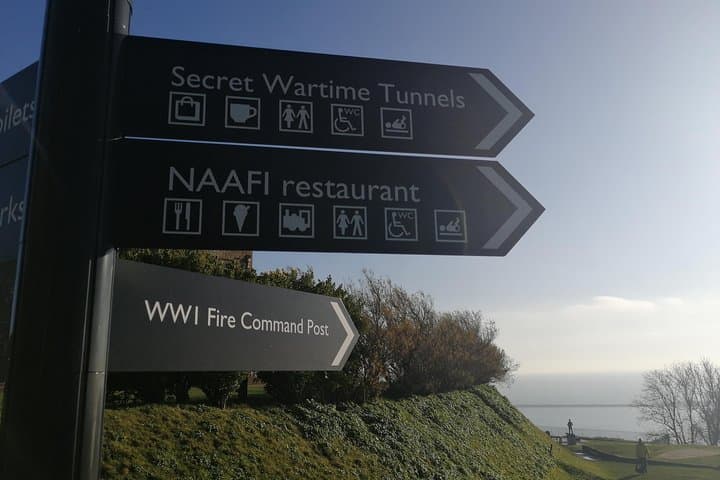
Dover Castle looms on its chalk promontory with visible layers of history: Roman signal stations, a medieval keep, and below-ground wartime rooms where Operation Dynamo’s command and a subterranean hospital held steady in 1940. The cliffs themselves are Cretaceous chalk—compressed shells and microfossils turned into the vertical faces that have been eroded by the Channel for millennia. Local culture is maritime and practical; fishermen, ferry crews and castle stewards all share an economy shaped by tides and tourists.
Expect a short photographic stop at the White Cliffs before a three-hour visit window at Dover Castle (admission not included). Inside the Great Tower and wartime tunnels you’ll walk on stone steps and through narrow passageways—bring sensible footwear. Traffic to London can extend transfer times, so the six-hour schedule is approximate; many groups use this as a focused history stop en route to a London hotel.
Practical guidance: book early to coordinate port pickup, confirm mobility needs for castle stairways, carry ID and any admission tickets, and layer for coastal winds. Hydrate, allow time for photos, and listen to your chauffeur’s timing—this is a compact shore excursion built on precise logistics rather than lingering.
moderate.
6 hours.
Moderate fitness: able to climb stairs and walk on uneven stone and short uphill sections.
No. The itinerary provides a three-hour viewing window at Dover Castle but castle admission is not included in the tour price.
Meet-and-greet is provided at the cruise terminal; you'll be given specific pickup instructions when you book—confirm ship and tender times.
Road transfer to London typically ranges 2–2.5 hours each way depending on traffic; the full excursion is scheduled for about six hours including stops.
The castle includes steep stairs and uneven surfaces; travelers with limited mobility should notify the operator in advance to discuss accessible options and vehicle accommodations.
Dover Castle has served as a Roman signal point, a medieval fortress and a key WWII command site during Operation Dynamo in 1940.
The white chalk cliffs are subject to coastal erosion; stick to marked paths, avoid cliff edges and follow local guidance to reduce impact.
Londoncruise-transfers operates guided outdoor trips and adventures with an emphasis on safety, stewardship, and memorable experiences.
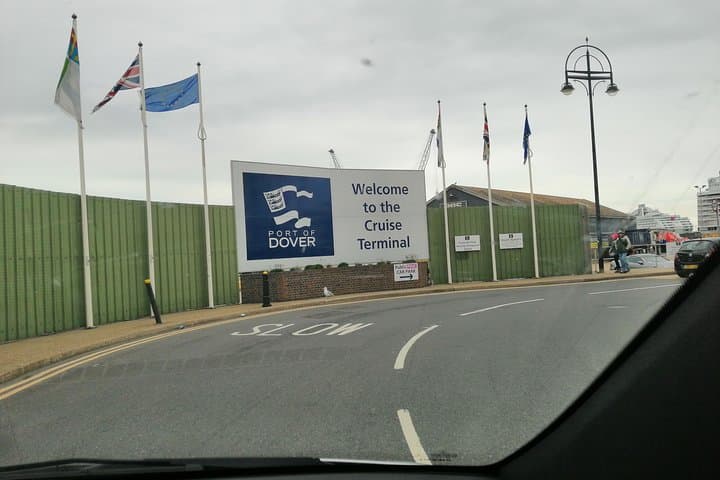
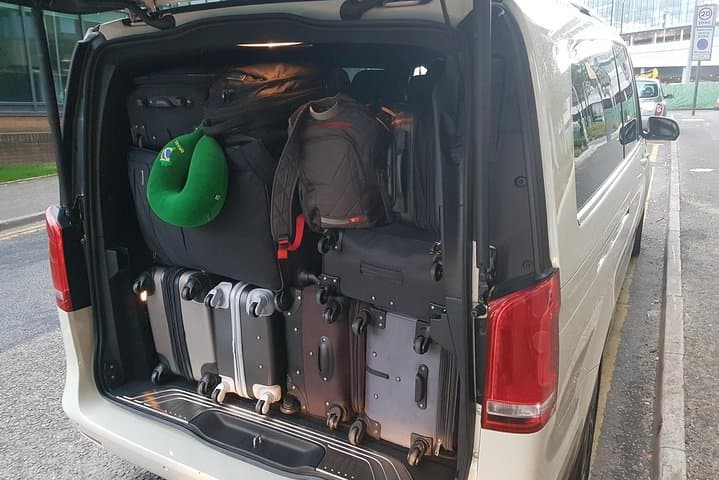
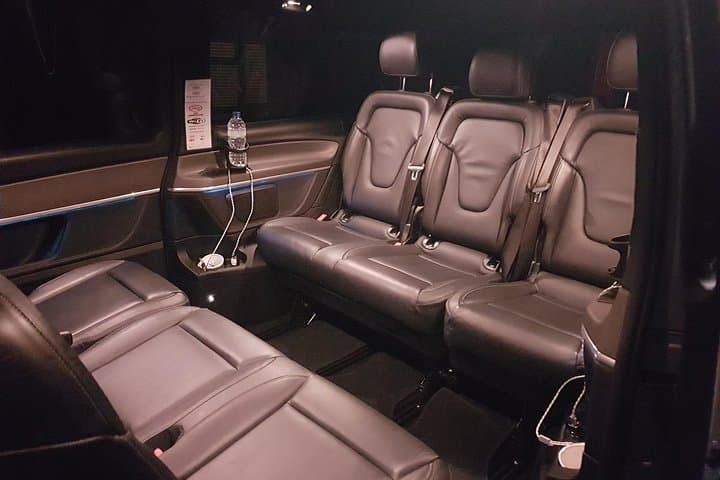
You step off the ship onto the tarmac of Dover Cruise Terminal and the channel air finds you—brisk, mineral, and full of motion. The White Cliffs rise like a pale wall ahead, daring you to look back over the sea; the convoy of a private Mercedes slides away from the port and toward one of England’s most layered places.
You step off the ship onto the tarmac of Dover Cruise Terminal and the channel air finds you—brisk, mineral, and full of motion. The White Cliffs rise like a pale wall ahead, daring you to look back over the sea; the convoy of a private Mercedes slides away from the port and toward one of England’s most layered places.
Dover Castle looms on its chalk promontory with visible layers of history: Roman signal stations, a medieval keep, and below-ground wartime rooms where Operation Dynamo’s command and a subterranean hospital held steady in 1940. The cliffs themselves are Cretaceous chalk—compressed shells and microfossils turned into the vertical faces that have been eroded by the Channel for millennia. Local culture is maritime and practical; fishermen, ferry crews and castle stewards all share an economy shaped by tides and tourists.
Expect a short photographic stop at the White Cliffs before a three-hour visit window at Dover Castle (admission not included). Inside the Great Tower and wartime tunnels you’ll walk on stone steps and through narrow passageways—bring sensible footwear. Traffic to London can extend transfer times, so the six-hour schedule is approximate; many groups use this as a focused history stop en route to a London hotel.
Practical guidance: book early to coordinate port pickup, confirm mobility needs for castle stairways, carry ID and any admission tickets, and layer for coastal winds. Hydrate, allow time for photos, and listen to your chauffeur’s timing—this is a compact shore excursion built on precise logistics rather than lingering.