THE ADVENTURE COLLECTIVE® · Independent discovery and booking for outdoor travel

Skip bus connections and crowded trains: this private one‑way transfer moves you directly from Dover Port to Heathrow in about 75–100 minutes. Expect door‑to‑door service, luggage assistance, and driver contact details for real‑time coordination.
Skip bus connections and crowded trains: this private one‑way transfer moves you directly from Dover Port to Heathrow in about 75–100 minutes. Expect door‑to‑door service, luggage assistance, and driver contact details for real‑time coordination.
You step off the ferry onto Dover’s concrete apron, the sea still pushing at the quay and the White Cliffs watching like a pale, patient crowd. A driver in a clean, air-conditioned vehicle waits with a name sign, ready to take baggage and the weight of timetables off your shoulders. The road unfurls west — A2 then M25 — through Kent’s low hills and commuter outskirts toward Heathrow’s terminals.
Verified experiences and guided adventures in the surrounding area.
Operated by Trust Transfers · Dover, Kent
You step off the ferry onto Dover’s concrete apron, the sea still pushing at the quay and the White Cliffs watching like a pale, patient crowd. A driver in a clean, air-conditioned vehicle waits with a name sign, ready to take baggage and the weight of timetables off your shoulders. The road unfurls west — A2 then M25 — through Kent’s low hills and commuter outskirts toward Heathrow’s terminals.
Dover’s role as England’s primary cross‑Channel gateway stretches back to Roman masonry and Napoleonic fortifications; the port is a working place shaped by tides, trade, and weather. The chalk cliffs are geological pages of the Cretaceous, eroding slowly into the Channel, while local towns keep a practical, maritime culture — shops geared to ferry schedules and pubs that welcome late arrivals.
Practicalities matter here: the operator offers modern electrified and diesel vehicles, a 15‑minute free waiting window, and clear luggage limits by vehicle class. Typical drive time is 75–100 minutes but factor in Channel traffic and M25 congestion at peak hours. Drivers supply contact details and can adapt pickup times; oversized sports equipment may need prior approval.
Plan to arrive at Heathrow with at least 90 minutes before a short‑haul departure (or 2–3 hours for long haul); use the provided driver contact to coordinate if ferries are delayed. Carry ID and booking confirmation on your phone, and pack essentials in an accessible bag. This transfer trades the stress of multi-leg public transit for direct, door‑to‑door efficiency — a simple, serviceable corridor between white cliffs and airport terminals.
easy.
1 hour 15 minutes–1 hour 40 minutes.
Suitable for all fitness levels; this is a seated transfer rather than a hike or strenuous activity
Typical door‑to‑door time is 75–100 minutes depending on traffic; allow extra time during peak hours on the M25.
Saloon and Executive vehicles usually accept two large suitcases and two carry‑ons; MPVs carry more—confirm vehicle class at booking for exact limits.
Contact the driver using the details provided; the operator can adjust pickup times but delays beyond the free waiting period may incur extra charges.
Oversized or excessive luggage may be restricted—notify the operator before travel so they can advise vehicle suitability or arrange alternatives.
Dover has been a strategic cross‑Channel port since Roman times and developed fortifications through the Napoleonic era; its ferry traffic shaped local commerce and infrastructure.
The chalk cliffs are eroding due to natural processes and human pressure; stick to marked paths and avoid cliff edges to protect fragile habitats and reduce erosion.
Trust Transfers operates guided outdoor trips and adventures with an emphasis on safety, stewardship, and memorable experiences.
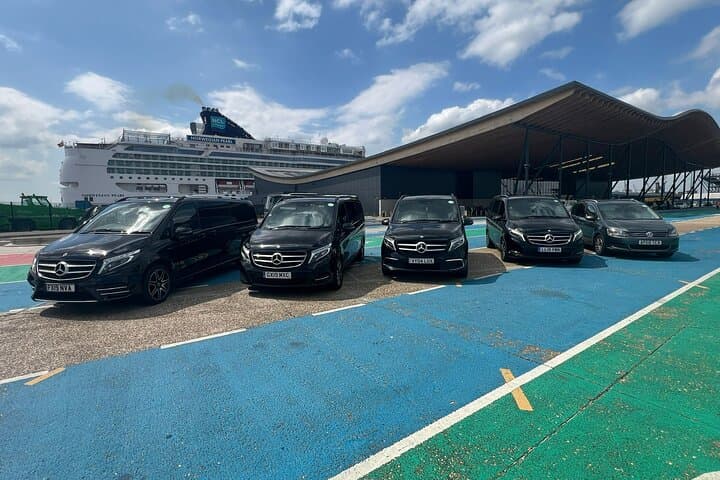

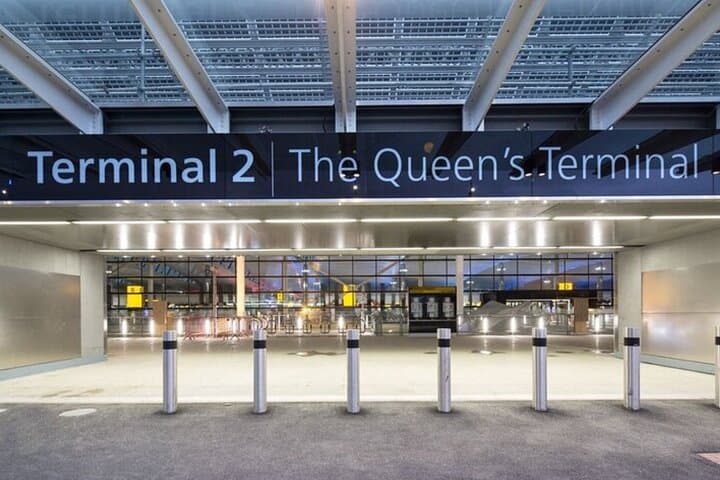
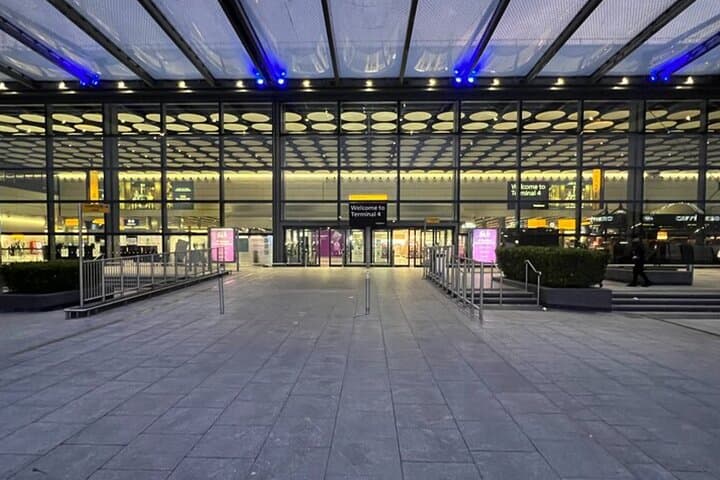
You step off the ferry onto Dover’s concrete apron, the sea still pushing at the quay and the White Cliffs watching like a pale, patient crowd. A driver in a clean, air-conditioned vehicle waits with a name sign, ready to take baggage and the weight of timetables off your shoulders. The road unfurls west — A2 then M25 — through Kent’s low hills and commuter outskirts toward Heathrow’s terminals.
You step off the ferry onto Dover’s concrete apron, the sea still pushing at the quay and the White Cliffs watching like a pale, patient crowd. A driver in a clean, air-conditioned vehicle waits with a name sign, ready to take baggage and the weight of timetables off your shoulders. The road unfurls west — A2 then M25 — through Kent’s low hills and commuter outskirts toward Heathrow’s terminals.
Dover’s role as England’s primary cross‑Channel gateway stretches back to Roman masonry and Napoleonic fortifications; the port is a working place shaped by tides, trade, and weather. The chalk cliffs are geological pages of the Cretaceous, eroding slowly into the Channel, while local towns keep a practical, maritime culture — shops geared to ferry schedules and pubs that welcome late arrivals.
Practicalities matter here: the operator offers modern electrified and diesel vehicles, a 15‑minute free waiting window, and clear luggage limits by vehicle class. Typical drive time is 75–100 minutes but factor in Channel traffic and M25 congestion at peak hours. Drivers supply contact details and can adapt pickup times; oversized sports equipment may need prior approval.
Plan to arrive at Heathrow with at least 90 minutes before a short‑haul departure (or 2–3 hours for long haul); use the provided driver contact to coordinate if ferries are delayed. Carry ID and booking confirmation on your phone, and pack essentials in an accessible bag. This transfer trades the stress of multi-leg public transit for direct, door‑to‑door efficiency — a simple, serviceable corridor between white cliffs and airport terminals.