THE ADVENTURE COLLECTIVE® · Independent discovery and booking for outdoor travel

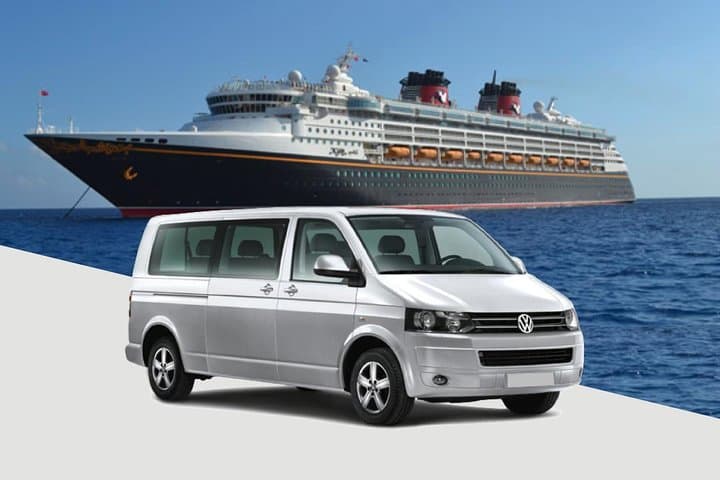
Arrive from the Channel with a private minivan waiting at Dover Cruise Terminal and make the 2–3 hour drive into central London with door-to-door convenience. Learn what to expect on the route, practical tips for luggage and timing, and local sights you can glimpse on the way.
Arrive from the Channel with a private minivan waiting at Dover Cruise Terminal and make the 2–3 hour drive into central London with door-to-door convenience. Learn what to expect on the route, practical tips for luggage and timing, and local sights you can glimpse on the way.
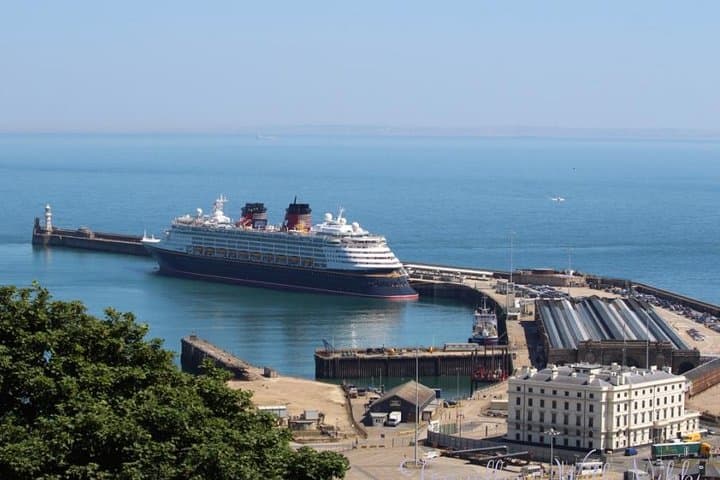
You step off the gangway into the briny, wind-scoured air of Dover, the white cliffs cutting a clear line against the Channel. Port cranes and a cluster of taxis frame the terminal; just beyond, the chalk face of the cliffs and Dover Castle watch the harbor with a long, practical patience. A chauffeur awaits with your name on a board, and the promise of a quiet cabin and room for suitcases — the simplest kind of comfort after a voyage.
Verified experiences and guided adventures in the surrounding area.
Operated by EC Minibus · Dover, Kent
You step off the gangway into the briny, wind-scoured air of Dover, the white cliffs cutting a clear line against the Channel. Port cranes and a cluster of taxis frame the terminal; just beyond, the chalk face of the cliffs and Dover Castle watch the harbor with a long, practical patience. A chauffeur awaits with your name on a board, and the promise of a quiet cabin and room for suitcases — the simplest kind of comfort after a voyage.
Dover's shoreline is shaped by the same chalk geology that guided trade and defense for millennia: Roman ferries, medieval fortifications, and World War II evacuation routes all passed through this port. Cultural traces remain in fish-and-chip shops, maritime plaques, and the compact town streets that slope up toward the castle.
For travelers heading into central London, a private minivan turns a potentially stressful transfer into a predictable piece of logistics. Expect 2–2.5 hours of driving in normal traffic, longer during peak periods; the route moves from coastal A2/A20 roads into the M20/M25 corridors and finally the inner ring roads to the West End or City drop-offs.
Practicalities matter: confirm your cruise disembark time, provide full hotel address details, and keep travel documents handy for the meet-and-greet inside the terminal. Stow a light layer for the ferry-to-vehicle transition and charge devices for navigation or last-minute calls. This service is straightforward — a small, private corridor between sea and city that hands you off in central London with minimal fuss.
easy.
2–3 hours.
No fitness required; suitable for all physical levels though passengers should manage their own carry-on luggage or request porter assistance.
Typical durations are 120–160 minutes depending on traffic and drop-off location in central London; allow extra time during rush hours.
The chauffeur meets passengers inside Dover Cruise Terminal, usually 5–10 minutes prior to scheduled pickup with a name board at the arrivals area.
Pricing covers specified configurations (minivan up to 4 adults/4 large suitcases; 7- and 8-seater options for larger groups); declare oversized items before booking.
Accessibility depends on vehicle choice; inquire with the operator about foldable wheelchairs or mobility aids and any size restrictions before travel.
Dover's port has been a strategic crossing for Romans, medieval armies, and WWII evacuations; the White Cliffs and Dover Castle anchored coastal defense for centuries.
The chalk cliffs and coastal grasslands are sensitive to erosion and foot traffic—stick to marked paths and respect protected areas when visiting nearby viewpoints.
EC Minibus operates guided outdoor trips and adventures with an emphasis on safety, stewardship, and memorable experiences.


You step off the gangway into the briny, wind-scoured air of Dover, the white cliffs cutting a clear line against the Channel. Port cranes and a cluster of taxis frame the terminal; just beyond, the chalk face of the cliffs and Dover Castle watch the harbor with a long, practical patience. A chauffeur awaits with your name on a board, and the promise of a quiet cabin and room for suitcases — the simplest kind of comfort after a voyage.
You step off the gangway into the briny, wind-scoured air of Dover, the white cliffs cutting a clear line against the Channel. Port cranes and a cluster of taxis frame the terminal; just beyond, the chalk face of the cliffs and Dover Castle watch the harbor with a long, practical patience. A chauffeur awaits with your name on a board, and the promise of a quiet cabin and room for suitcases — the simplest kind of comfort after a voyage.
Dover's shoreline is shaped by the same chalk geology that guided trade and defense for millennia: Roman ferries, medieval fortifications, and World War II evacuation routes all passed through this port. Cultural traces remain in fish-and-chip shops, maritime plaques, and the compact town streets that slope up toward the castle.
For travelers heading into central London, a private minivan turns a potentially stressful transfer into a predictable piece of logistics. Expect 2–2.5 hours of driving in normal traffic, longer during peak periods; the route moves from coastal A2/A20 roads into the M20/M25 corridors and finally the inner ring roads to the West End or City drop-offs.
Practicalities matter: confirm your cruise disembark time, provide full hotel address details, and keep travel documents handy for the meet-and-greet inside the terminal. Stow a light layer for the ferry-to-vehicle transition and charge devices for navigation or last-minute calls. This service is straightforward — a small, private corridor between sea and city that hands you off in central London with minimal fuss.