
Douro Valley Day Tour: Two Vineyards, Rabelo River Cruise & Winery Lunch from Porto
Leave Porto for a full‑day exploration of the Douro Valley: two family vineyards, a 45–60 minute rabelo river cruise from Pinhão, and a multi‑course winery lunch with port tasting. Expect terraced vineyards, schist soils, and panoramic miradouros along National Road 222.
An Adventure In Porto.
Leave Porto for a full‑day exploration of the Douro Valley: two family vineyards, a 45–60 minute rabelo river cruise from Pinhão, and a multi‑course winery lunch with port tasting. Expect terraced vineyards, schist soils, and panoramic miradouros along National Road 222.
Read the full experience
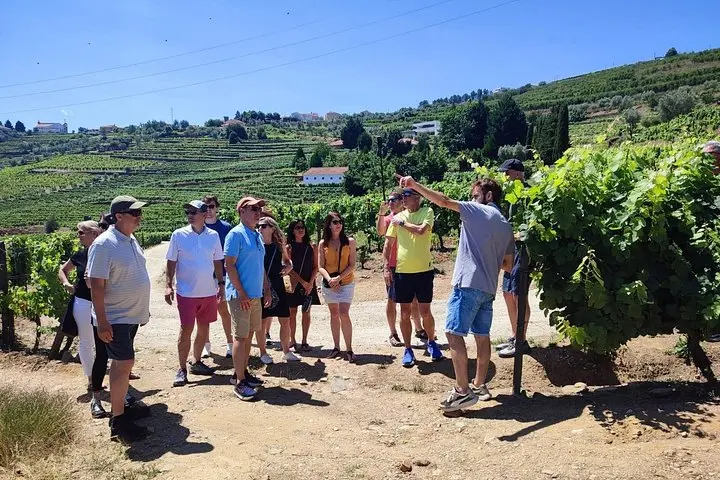
A mist-softened morning on the banks of the Douro greets the bus as it leaves Porto — low hills rise like folded pages, vines clinging to slope and stone. The road narrows and the air changes: citrus and wet earth, the river cutting a cool silver line through sunbaked terraces. You step off at a family quinta, wooden presses and stacked barrels close at hand, and the guide walks you through wines that grew from the very soil under your boots.
A mist-softened morning on the banks of the Douro greets the bus as it leaves Porto — low hills rise like folded pages, vines clinging to slope and stone. The road narrows and the air changes: citrus and wet earth, the river cutting a cool silver line through sunbaked terraces. You step off at a family quinta, wooden presses and stacked barrels close at hand, and the guide walks you through wines that grew from the very soil under your boots.
This valley is human-shaped: millennia of fluvial carving and sixteenth-century wine commerce produced the stepped terraces that define the region. The Douro is both geological force and cultural engine — its schist soils and steep gradients forced winemakers to build stone walls and an economy centered on fortified port. Pinhão’s tile‑faced station and winding National Road 222 offer historical chapters in wood and slate.
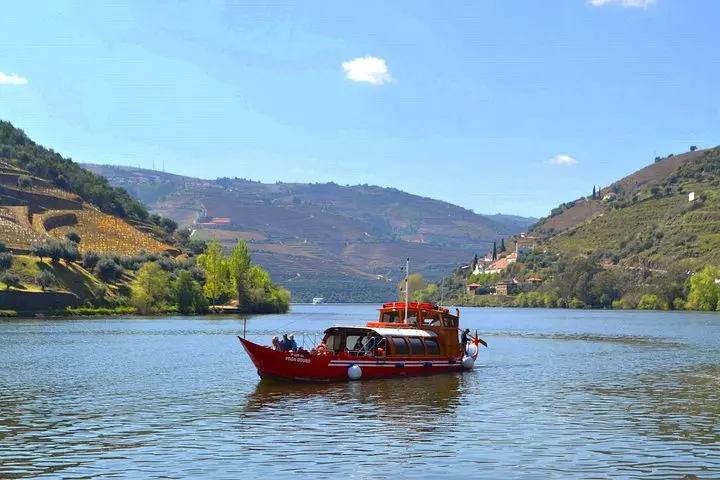
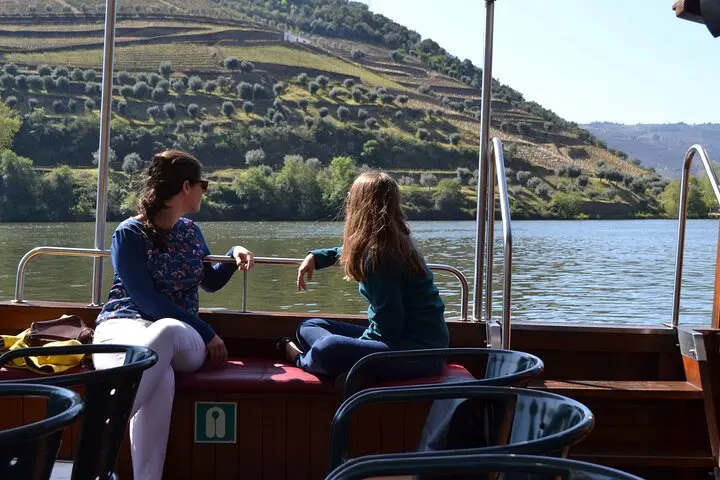
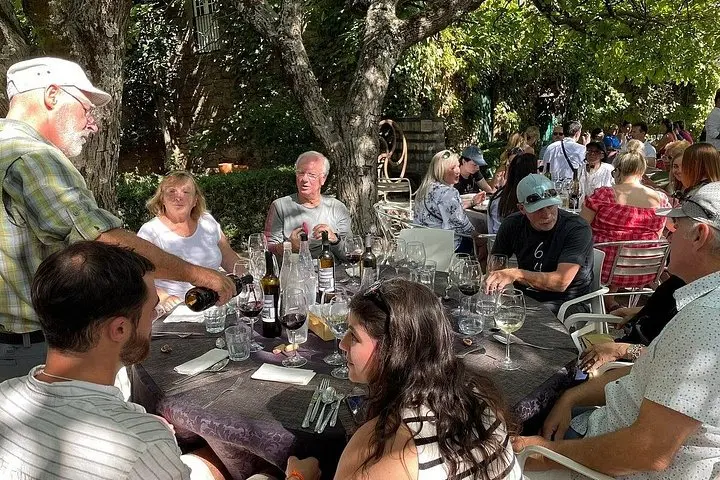
The river cruise aboard a traditional rabelo boat compresses landscape into a moving portrait — vineyards lean toward the current as if to be read. Afterward, a hilltop lunch in Sabrosa demonstrates why food and wine are inseparable here: small-producer bottles paired to seasonal courses, finishing with cellar‑aged ports.
Practical notes: the day is long (about 10 hours) with short walks on uneven surfaces; wear grippy shoes, bring sun protection and a refillable bottle, and notify dietary needs in advance. Expect shared group settings at vineyards and variable weather on the river; mornings are coolest, afternoons warm. This is a sensory day — geology in stone, history in bottle, and the river daring you to look farther downstream.
Frequently asked questions
The traditional rabelo cruise lasts about 45–60 minutes and departs from Pinhão; it's a relaxed, scenic segment of the day.
Yes — the tour includes guided tastings at two family vineyards and a multi-course lunch with wine pairings and port tasting at the second winery.
Yes — vegetarian, vegan, and gluten-free options are available if you notify the operator in advance when booking.
The tour is family‑friendly with stroller access for infants; infant seats are available, but check specifics and book accordingly.
About This Experience
EFun Tours operates guided outdoor trips and adventures with an emphasis on safety, stewardship, and memorable experiences.
Adventure tips
Recommended gear
- Comfortable walking shoes: Stable shoes handle terraces, cellar steps, and river quay surfaces.
- Light layers and sun hat: Mornings can be cool and afternoons warm; a hat and light jacket cover changing conditions.
- Refillable water bottle: Staying hydrated on a long day with sun exposure is important between wine tastings.
- Small daypack: A compact pack holds snacks, camera, and any extra layer during drives between stops.
Photos of the experience
Related adventures & guides
Read the full experience
A mist-softened morning on the banks of the Douro greets the bus as it leaves Porto — low hills rise like folded pages, vines clinging to slope and stone. The road narrows and the air changes: citrus and wet earth, the river cutting a cool silver line through sunbaked terraces. You step off at a family quinta, wooden presses and stacked barrels close at hand, and the guide walks you through wines that grew from the very soil under your boots.
A mist-softened morning on the banks of the Douro greets the bus as it leaves Porto — low hills rise like folded pages, vines clinging to slope and stone. The road narrows and the air changes: citrus and wet earth, the river cutting a cool silver line through sunbaked terraces. You step off at a family quinta, wooden presses and stacked barrels close at hand, and the guide walks you through wines that grew from the very soil under your boots.
This valley is human-shaped: millennia of fluvial carving and sixteenth-century wine commerce produced the stepped terraces that define the region. The Douro is both geological force and cultural engine — its schist soils and steep gradients forced winemakers to build stone walls and an economy centered on fortified port. Pinhão’s tile‑faced station and winding National Road 222 offer historical chapters in wood and slate.
The river cruise aboard a traditional rabelo boat compresses landscape into a moving portrait — vineyards lean toward the current as if to be read. Afterward, a hilltop lunch in Sabrosa demonstrates why food and wine are inseparable here: small-producer bottles paired to seasonal courses, finishing with cellar‑aged ports.
Practical notes: the day is long (about 10 hours) with short walks on uneven surfaces; wear grippy shoes, bring sun protection and a refillable bottle, and notify dietary needs in advance. Expect shared group settings at vineyards and variable weather on the river; mornings are coolest, afternoons warm. This is a sensory day — geology in stone, history in bottle, and the river daring you to look farther downstream.
Make a day of it nearby.
Verified experiences and guided adventures in the surrounding area.