THE ADVENTURE COLLECTIVE® · Independent discovery and booking for outdoor travel

Two hours aboard a classic sailboat along the Douro offers panoramic views, local history, and a glass of Port while passing Porto’s iconic bridges and riverside cellars. Perfect for travelers who want a compact, waterborne perspective on the city and estuary.
Two hours aboard a classic sailboat along the Douro offers panoramic views, local history, and a glass of Port while passing Porto’s iconic bridges and riverside cellars. Perfect for travelers who want a compact, waterborne perspective on the city and estuary.
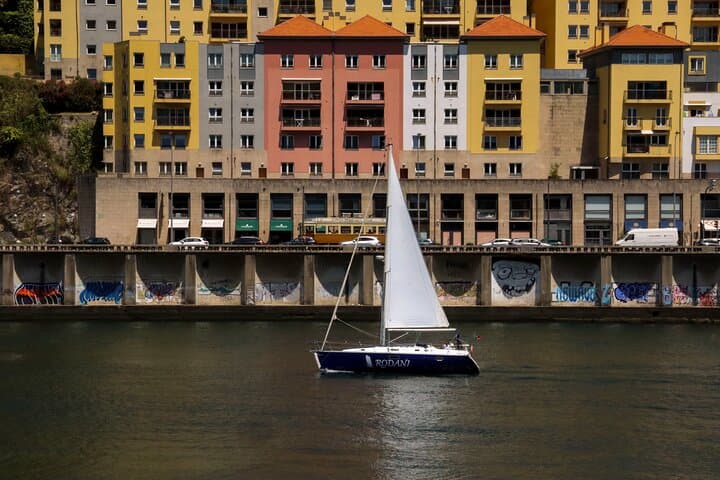
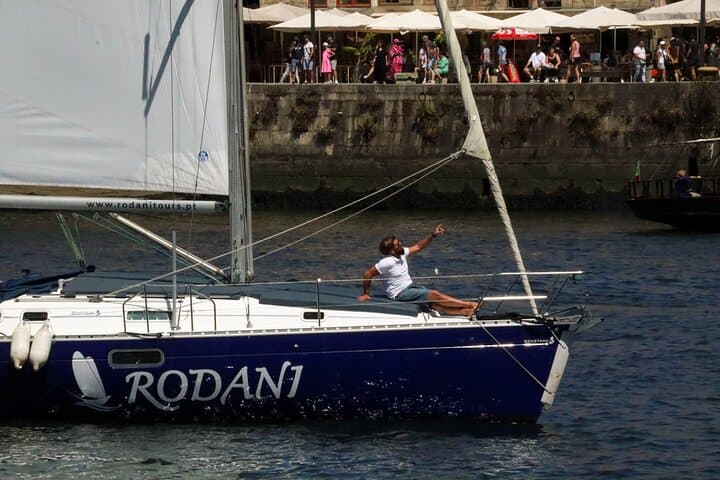
The breeze off the Atlantic lifts the boat’s canvas as Rodani slips out of Douro Marina, and Porto’s tile-clad facades slide past like a living map. Guests settle on deck with a glass of Port while the city’s bridges, churches, and riverside warehouses inch into view; the river guides the narrative, at times playful, at times reserved.
Verified experiences and guided adventures in the surrounding area.
Operated by José Pina · Vila Nova de Gaia, Porto
The breeze off the Atlantic lifts the boat’s canvas as Rodani slips out of Douro Marina, and Porto’s tile-clad facades slide past like a living map. Guests settle on deck with a glass of Port while the city’s bridges, churches, and riverside warehouses inch into view; the river guides the narrative, at times playful, at times reserved.
This short cruise threads the lower Douro valley where Roman and medieval trade routes fed the rise of port wine commerce. The riverbed’s geology—granite banks sculpted by millennia of rain and flow—frames terraces of vineyards farther inland and the softer alluvial soil closer to the estuary. Onshore, Vila Nova de Gaia kept centuries of cellars and fishermen’s quarters; from the water you see the economic and cultural layers stacked along the banks.
The crew punctuates scenery with compact local history: the bridge engineered in the 19th century style, the Gothic church’s baroque interior glimpsed from the water, and the fishing village that still anchors the estuary’s character. Nature asserts itself too—river currents briefly quicken as the Douro reaches for the sea, and seabirds wheel, testing the wind.
Practical guidance: arrive 15 minutes early at Douro Marina in Afurada, bring sun protection and a light wind layer, and expect calm seas most days but a brisk breeze near the mouth. Photography is easiest from the forward rail; the crew serves Port and points out cellar fronts and architectural highlights. The cruise is relaxed, accessible to most travelers, and provides a focused, waterborne perspective on Porto’s riverside life.
easy.
2 hours.
Suitable for most fitness levels; you should be able to climb a short gangway and stand for portions of the cruise.
The boat departs from Douro Marina in Vila Nova de Gaia, in the Afurada area; arrive at the marina entrance for check-in.
A glass of Port is typically served and drinks are included as noted; confirm specifics with the operator at booking.
Trips may be canceled for safety in poor weather; operators generally offer refunds or rescheduling according to their policy.
The Douro has been a trade corridor for centuries; Vila Nova de Gaia’s cellars grew around port aging and export businesses that shaped the region’s urban fabric.
Respect marked shorelines and avoid feeding wildlife; the estuary is a sensitive habitat influenced by boat traffic and urban runoff, so operators follow limits to reduce impact.
José Pina operates guided outdoor trips and adventures with an emphasis on safety, stewardship, and memorable experiences.
The breeze off the Atlantic lifts the boat’s canvas as Rodani slips out of Douro Marina, and Porto’s tile-clad facades slide past like a living map. Guests settle on deck with a glass of Port while the city’s bridges, churches, and riverside warehouses inch into view; the river guides the narrative, at times playful, at times reserved.
The breeze off the Atlantic lifts the boat’s canvas as Rodani slips out of Douro Marina, and Porto’s tile-clad facades slide past like a living map. Guests settle on deck with a glass of Port while the city’s bridges, churches, and riverside warehouses inch into view; the river guides the narrative, at times playful, at times reserved.
This short cruise threads the lower Douro valley where Roman and medieval trade routes fed the rise of port wine commerce. The riverbed’s geology—granite banks sculpted by millennia of rain and flow—frames terraces of vineyards farther inland and the softer alluvial soil closer to the estuary. Onshore, Vila Nova de Gaia kept centuries of cellars and fishermen’s quarters; from the water you see the economic and cultural layers stacked along the banks.
The crew punctuates scenery with compact local history: the bridge engineered in the 19th century style, the Gothic church’s baroque interior glimpsed from the water, and the fishing village that still anchors the estuary’s character. Nature asserts itself too—river currents briefly quicken as the Douro reaches for the sea, and seabirds wheel, testing the wind.
Practical guidance: arrive 15 minutes early at Douro Marina in Afurada, bring sun protection and a light wind layer, and expect calm seas most days but a brisk breeze near the mouth. Photography is easiest from the forward rail; the crew serves Port and points out cellar fronts and architectural highlights. The cruise is relaxed, accessible to most travelers, and provides a focused, waterborne perspective on Porto’s riverside life.