THE ADVENTURE COLLECTIVE® · Independent discovery and booking for outdoor travel

Two guided double dives in Capo Carbonara offer a compact window into Sardinia’s protected Mediterranean seascapes — bright reefs, Posidonia meadows and pelagic visitors. This half-day boat outing includes guide support, snacks and nitrox options; equipment is rentable locally.
Two guided double dives in Capo Carbonara offer a compact window into Sardinia’s protected Mediterranean seascapes — bright reefs, Posidonia meadows and pelagic visitors. This half-day boat outing includes guide support, snacks and nitrox options; equipment is rentable locally.
You step off the rib and the Mediterranean exhales around you — a cool, salty breath that clears the heat of the shore. Boats slide past granite skerries while the guide briefs the group: two dives, each an invitation to different worlds beneath the glassy surface. Rocks fall away into blue; meadows of Posidonia sway and the current teases you toward hidden overhangs.
Verified experiences and guided adventures in the surrounding area.
Operated by SubAquaDive Service · Villasimius, Sardinia
You step off the rib and the Mediterranean exhales around you — a cool, salty breath that clears the heat of the shore. Boats slide past granite skerries while the guide briefs the group: two dives, each an invitation to different worlds beneath the glassy surface. Rocks fall away into blue; meadows of Posidonia sway and the current teases you toward hidden overhangs.
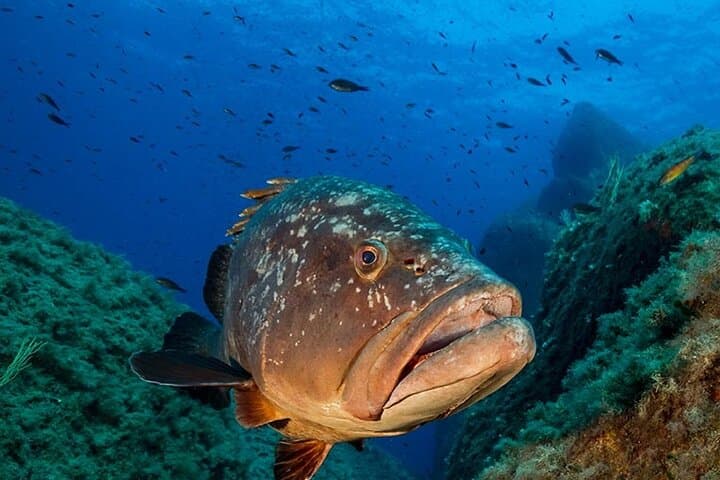
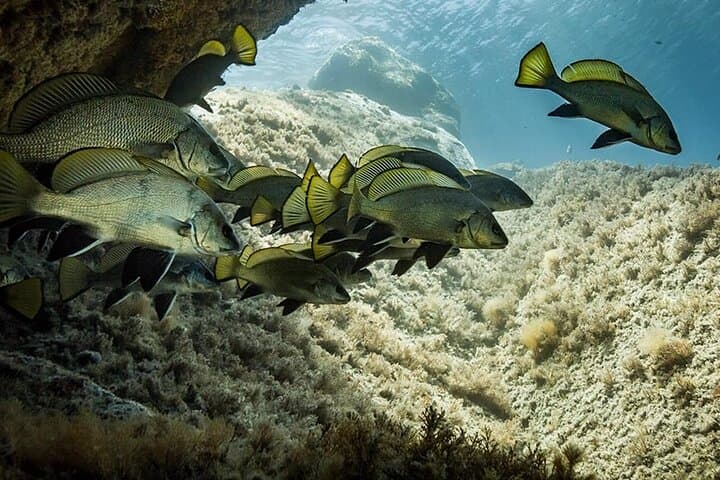
Capo Carbonara sits at Sardinia’s southeastern lip, shaped by Variscan and Mesozoic geology; granite headlands give way to limestone reefs and sandy basins. Historically these waters have been a crossroads for Phoenicians, Romans, and fishermen, and today the Marine Protected Area preserves the mosaic of habitats that sustain octopus, groupers and colorful nudibranchs. Local fishing villages like Villasimius still shape the coastline’s culture — simple harbors, salted bread and a focus on seasonal seafood.
Practically: expect two guided dives from a morning or afternoon boat run (roughly 4–4.5 hours total). Visibility often exceeds 15–30 meters in summer; spring and fall bring cooler water and active pelagics. Guides provide air or nitrox (noted in the package), snacks, and MPAs tax included; equipment rental is available locally for a supplement. Bring a logbook, dive computer, and a temperate wetsuit (3–5 mm in summer, thicker outside peak months). Fitness needn’t be elite but be comfortable with surface swims and boat entries.
Plan for early starts, check weather, and surface between dives to savor the sunlight on the cape — the sea will keep pushing you onward.
moderate.
3.5–4.5 hours.
Moderate: comfortable with surface swims, boat entries/exits and two dives in a session; not strenuous but requires basic stamina.
Yes—participants should hold at least an Open Water certification; operators typically verify certification and recent diving activity.
Basic inclusions list guide support, snacks, nitrox option and MPA tax; full dive kit rental is available locally for an additional fee (about €38).
Children and minors must meet operator age rules; diving isn’t recommended for pregnant people or those with significant spinal or cardiovascular conditions—declare medical history when booking.
Operators monitor sea state; trips run in most conditions but can be canceled or rescheduled for safety—cancel at least 24 hours for a full refund per policy.
Capo Carbonara has been a maritime waypoint since antiquity; its protected status (established to conserve Posidonia beds and spawning grounds) reflects centuries of local reliance on the sea.
The Marine Protected Area restricts fishing and anchoring in key zones—respect mooring buoys and avoid touching reefs to reduce impact.
SubAquaDive Service operates guided outdoor trips and adventures with an emphasis on safety, stewardship, and memorable experiences.
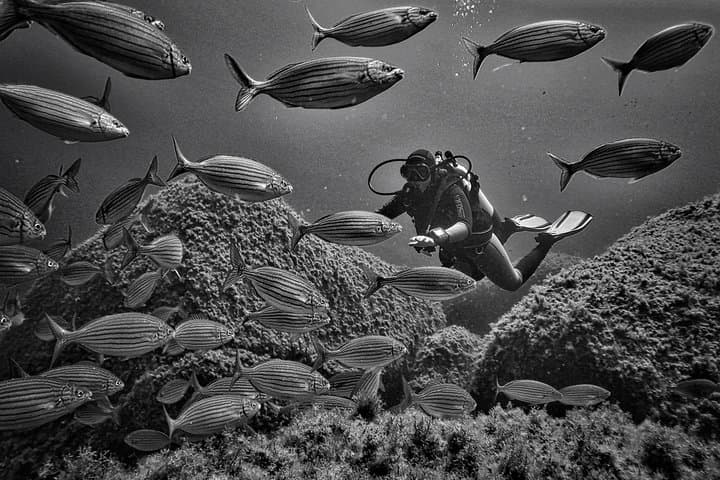
You step off the rib and the Mediterranean exhales around you — a cool, salty breath that clears the heat of the shore. Boats slide past granite skerries while the guide briefs the group: two dives, each an invitation to different worlds beneath the glassy surface. Rocks fall away into blue; meadows of Posidonia sway and the current teases you toward hidden overhangs.
You step off the rib and the Mediterranean exhales around you — a cool, salty breath that clears the heat of the shore. Boats slide past granite skerries while the guide briefs the group: two dives, each an invitation to different worlds beneath the glassy surface. Rocks fall away into blue; meadows of Posidonia sway and the current teases you toward hidden overhangs.
Capo Carbonara sits at Sardinia’s southeastern lip, shaped by Variscan and Mesozoic geology; granite headlands give way to limestone reefs and sandy basins. Historically these waters have been a crossroads for Phoenicians, Romans, and fishermen, and today the Marine Protected Area preserves the mosaic of habitats that sustain octopus, groupers and colorful nudibranchs. Local fishing villages like Villasimius still shape the coastline’s culture — simple harbors, salted bread and a focus on seasonal seafood.
Practically: expect two guided dives from a morning or afternoon boat run (roughly 4–4.5 hours total). Visibility often exceeds 15–30 meters in summer; spring and fall bring cooler water and active pelagics. Guides provide air or nitrox (noted in the package), snacks, and MPAs tax included; equipment rental is available locally for a supplement. Bring a logbook, dive computer, and a temperate wetsuit (3–5 mm in summer, thicker outside peak months). Fitness needn’t be elite but be comfortable with surface swims and boat entries.
Plan for early starts, check weather, and surface between dives to savor the sunlight on the cape — the sea will keep pushing you onward.