THE ADVENTURE COLLECTIVE® · Independent discovery and booking for outdoor travel

Trade sand for salt: this double-dive day trip from Albufeira takes certified divers beyond the beach to reefs, seagrass meadows and rocky overhangs. Expect two contrasting dives, practical briefings, and marine life encounters.
Trade sand for salt: this double-dive day trip from Albufeira takes certified divers beyond the beach to reefs, seagrass meadows and rocky overhangs. Expect two contrasting dives, practical briefings, and marine life encounters.
The boat slips away from Albufeira’s marina and the coastline peels open into bands of chalky cliffs and hidden coves. Salt air and engine hum give way to the slow, tactile routine of checking regulators, weighting, and signals — then the world above thins and the Atlantic takes the lead.
Verified experiences and guided adventures in the surrounding area.
Operated by Portugal Dive · Albufeira, Algarve
The boat slips away from Albufeira’s marina and the coastline peels open into bands of chalky cliffs and hidden coves. Salt air and engine hum give way to the slow, tactile routine of checking regulators, weighting, and signals — then the world above thins and the Atlantic takes the lead.
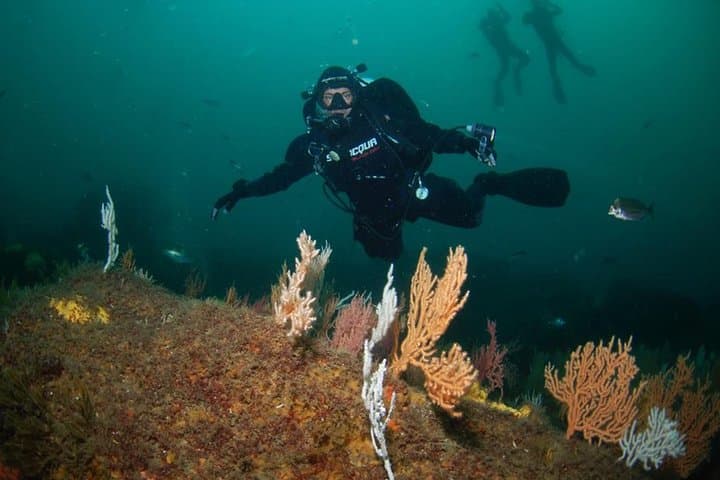
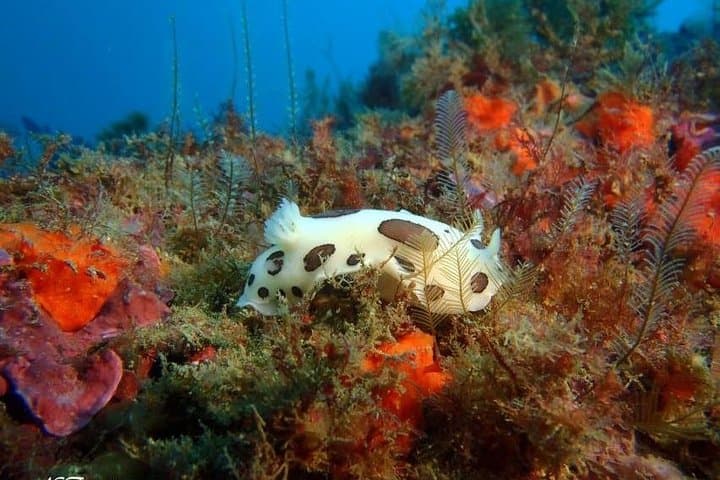
Beneath the Algarve surface, coastal limestone and old river channels shape a seabed of overhangs, swim-throughs and patches of Posidonia seagrass. The region’s maritime history — from Phoenician traders to modern Portuguese fishermen — left reefs and wrecks that now host nudibranchs, grouper and shoals of bream. Local dive operators follow a conservation-minded ethic: observe, photograph, don’t touch.
This double-dive format commonly sends certified divers to two contrasting sites: a shallow reef or seagrass meadow for marine life and a deeper cave or rocky wall for geology and currents. Visibility averages 10–20 meters in season; thermoclines and surge can alter conditions between sites, so briefings are practical and specific.
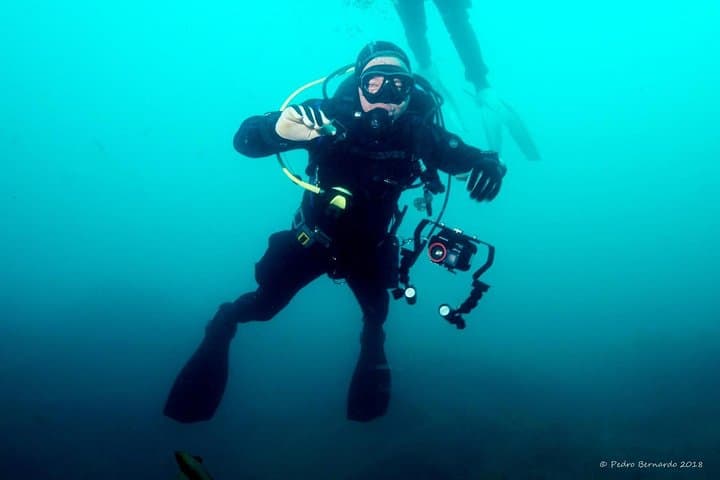
Practical guidance: arrive with certification and logbook, expect a three-hour window from embarkation to return, and plan for surface intervals between dives. Wetsuit thickness varies by season (3–7mm typical); weight and tank setups are provided. Shore and boat entries both feature here — balance buoyancy control and situational awareness.
For anyone who comes for sun and surf, the key local advice is simple: look down. The Algarve’s underwater landscape rewards careful slow movement, patient photography, and respect for fragile habitats.
moderate.
3 hours.
Suitable for people in good basic fitness; you should be comfortable swimming and managing gear on a boat and in currents.
Yes — the standard booking is for certified divers. Non-certified guests should ask about a supervised try-dive option that keeps them under instructor control.
Minimum ages vary by operator and certification agency, but most require divers to be at least 12–14 for supervised dives and 16 for certain deeper profiles; check with the host.
Operators will cancel if conditions are unsafe; this trip’s policy offers refunds for cancellations made at least 24 hours before departure or when the operator cancels due to weather.
Yes — standard scuba sets, tanks and weights are included; you may bring personal regulators or masks if you prefer.
The Algarve’s coast has long served as a maritime corridor from ancient traders to modern fisheries; submerged features often reflect past human use and the region’s limestone geology.
Local dive operators emphasize low-impact practices: no-touch policies, proper buoyancy to avoid seagrass damage, and support for marine protected areas where established.
Portugal Dive operates guided outdoor trips and adventures with an emphasis on safety, stewardship, and memorable experiences.
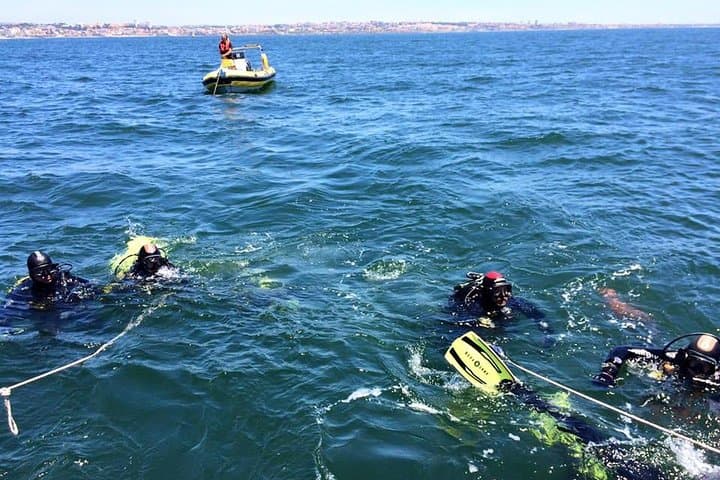
The boat slips away from Albufeira’s marina and the coastline peels open into bands of chalky cliffs and hidden coves. Salt air and engine hum give way to the slow, tactile routine of checking regulators, weighting, and signals — then the world above thins and the Atlantic takes the lead.
The boat slips away from Albufeira’s marina and the coastline peels open into bands of chalky cliffs and hidden coves. Salt air and engine hum give way to the slow, tactile routine of checking regulators, weighting, and signals — then the world above thins and the Atlantic takes the lead.
Beneath the Algarve surface, coastal limestone and old river channels shape a seabed of overhangs, swim-throughs and patches of Posidonia seagrass. The region’s maritime history — from Phoenician traders to modern Portuguese fishermen — left reefs and wrecks that now host nudibranchs, grouper and shoals of bream. Local dive operators follow a conservation-minded ethic: observe, photograph, don’t touch.
This double-dive format commonly sends certified divers to two contrasting sites: a shallow reef or seagrass meadow for marine life and a deeper cave or rocky wall for geology and currents. Visibility averages 10–20 meters in season; thermoclines and surge can alter conditions between sites, so briefings are practical and specific.
Practical guidance: arrive with certification and logbook, expect a three-hour window from embarkation to return, and plan for surface intervals between dives. Wetsuit thickness varies by season (3–7mm typical); weight and tank setups are provided. Shore and boat entries both feature here — balance buoyancy control and situational awareness.
For anyone who comes for sun and surf, the key local advice is simple: look down. The Algarve’s underwater landscape rewards careful slow movement, patient photography, and respect for fragile habitats.