THE ADVENTURE COLLECTIVE® · Independent discovery and booking for outdoor travel

Ride a double ATV along Migriño Beach, through mangroves and desert dunes outside Cabo San Lucas. Small-group runs focus on endemic cacti, coastal vistas and seasonal whale watching.
Ride a double ATV along Migriño Beach, through mangroves and desert dunes outside Cabo San Lucas. Small-group runs focus on endemic cacti, coastal vistas and seasonal whale watching.
The engine kicks, salt air slides in through the visor and the Pacific cliffs open up ahead as riders head onto Migriño Beach. Tracks braid the shoreline, cross low mangrove channels and climb compact desert dunes; the landscape alternates between wind-sculpted sand and stands of columnar cacti that seem to watch the route.
Verified experiences and guided adventures in the surrounding area.
Operated by Picacho Adventures · Cabo San Lucas, Baja California Sur
The engine kicks, salt air slides in through the visor and the Pacific cliffs open up ahead as riders head onto Migriño Beach. Tracks braid the shoreline, cross low mangrove channels and climb compact desert dunes; the landscape alternates between wind-sculpted sand and stands of columnar cacti that seem to watch the route.
This stretch of Baja California Sur sits on an arid peninsula shaped by tectonic uplift and marine erosion; volcanic and sedimentary outcrops rise above broad coastal plains. Indigenous groups and later fishing communities used these beaches for shelter and seasonal resources, and 20th‑century roads opened the coast to recreational visitors. Locally the mangroves act as nurseries, while the desert hosts many endemic cactus species.
On the ride expect short technical sections on packed sand, brief climbs over dunes and a few narrow paths through scrub and mangrove edges. Rest stops include a 360° mirador with ocean views and, in season (November–April), possible gray whale sightings from the beach. Guides point out ecological features and local wildlife while keeping the group small for a more personal experience.
Practical guidance: wear closed-toe shoes with decent tread, long sleeves for sun and scrub protection, and bring sunscreen and a refillable water bottle — bottled water is provided. The tour runs about four hours and is suitable for riders with minimal ATV experience; operators supply helmets and goggles and offer a short orientation before departure. Time excursions for morning or late afternoon to avoid peak sun and get the best light for photos.
moderate.
3–4 hours.
Light to moderate fitness; ability to climb on/off an ATV and handle short standing sections.
Yes — the operator supplies helmets and goggles as part of the tour inclusions.
Yes — guides provide a safety orientation and allow a passenger to ride with an experienced driver; single-operator instruction is available for first-time drivers.
Gray whale season runs roughly November through April; during that time guides use lookout stops where whales may be visible from the beach, though sightings aren’t guaranteed.
The tour isn’t recommended for pregnant guests, those with serious heart or spinal conditions, or anyone under the influence of drugs or alcohol; confirm age and weight limits with the operator when booking.
The southern Baja coast blends maritime fishing heritage with the ecological evolution of a desert peninsula; trails here follow routes used for local access to beach resources.
Mangroves and dunes are fragile—stay on designated tracks, pack out trash and avoid disturbing wildlife, especially during whale and bird-nesting seasons.
Picacho Adventures operates guided outdoor trips and adventures with an emphasis on safety, stewardship, and memorable experiences.
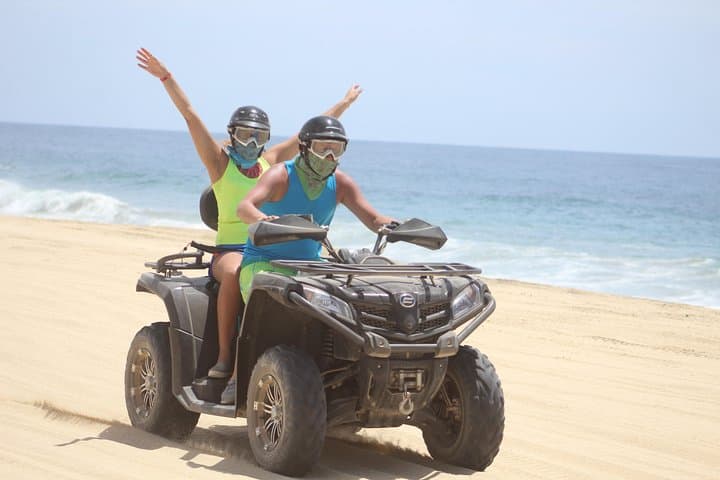
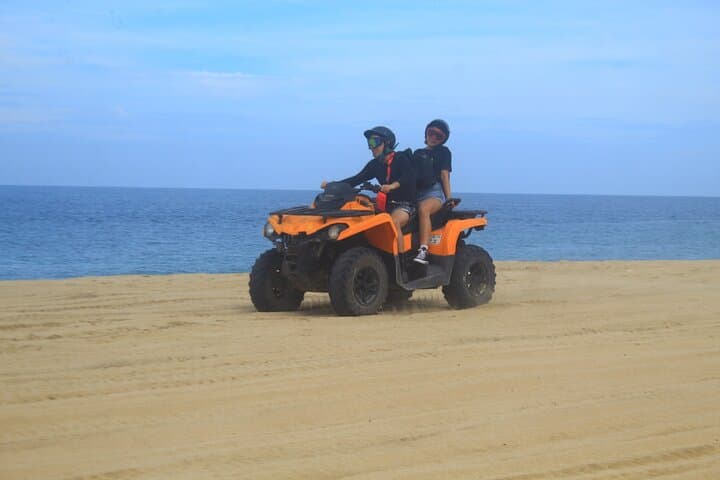
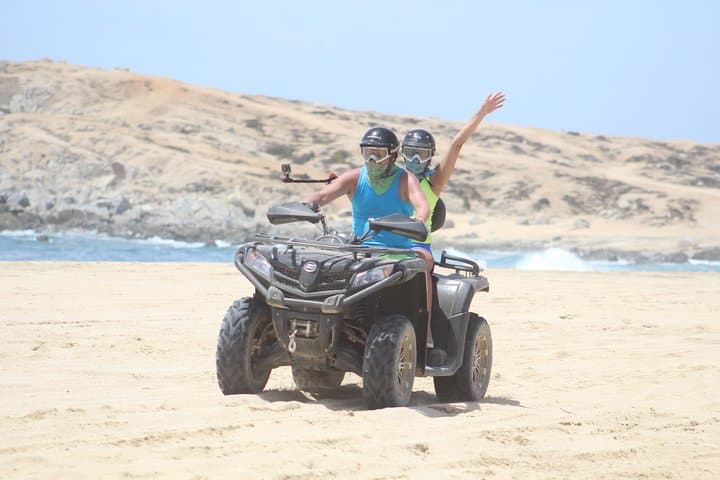
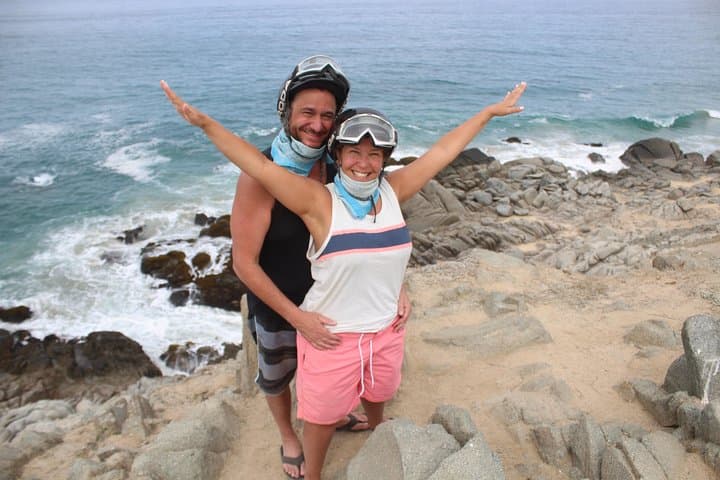
The engine kicks, salt air slides in through the visor and the Pacific cliffs open up ahead as riders head onto Migriño Beach. Tracks braid the shoreline, cross low mangrove channels and climb compact desert dunes; the landscape alternates between wind-sculpted sand and stands of columnar cacti that seem to watch the route.
The engine kicks, salt air slides in through the visor and the Pacific cliffs open up ahead as riders head onto Migriño Beach. Tracks braid the shoreline, cross low mangrove channels and climb compact desert dunes; the landscape alternates between wind-sculpted sand and stands of columnar cacti that seem to watch the route.
This stretch of Baja California Sur sits on an arid peninsula shaped by tectonic uplift and marine erosion; volcanic and sedimentary outcrops rise above broad coastal plains. Indigenous groups and later fishing communities used these beaches for shelter and seasonal resources, and 20th‑century roads opened the coast to recreational visitors. Locally the mangroves act as nurseries, while the desert hosts many endemic cactus species.
On the ride expect short technical sections on packed sand, brief climbs over dunes and a few narrow paths through scrub and mangrove edges. Rest stops include a 360° mirador with ocean views and, in season (November–April), possible gray whale sightings from the beach. Guides point out ecological features and local wildlife while keeping the group small for a more personal experience.
Practical guidance: wear closed-toe shoes with decent tread, long sleeves for sun and scrub protection, and bring sunscreen and a refillable water bottle — bottled water is provided. The tour runs about four hours and is suitable for riders with minimal ATV experience; operators supply helmets and goggles and offer a short orientation before departure. Time excursions for morning or late afternoon to avoid peak sun and get the best light for photos.