THE ADVENTURE COLLECTIVE® · Independent discovery and booking for outdoor travel

Walk Dotonbori’s neon-lit alleys with a local guide and sample Osaka’s street-food icons over a private 3.5-hour tour. Small group size and local insights make this an efficient, authentic introduction to Namba’s culinary scene.
Walk Dotonbori’s neon-lit alleys with a local guide and sample Osaka’s street-food icons over a private 3.5-hour tour. Small group size and local insights make this an efficient, authentic introduction to Namba’s culinary scene.
The first step out of Namba Station drops you into a rush of neon and steam: skewers hiss on grills, banners flutter above narrow alleys, and the Dotonbori canal slides past like an impatient companion daring you to keep up.
Verified experiences and guided adventures in the surrounding area.
Operated by japan local and fun experiences · Osaka, Osaka
The first step out of Namba Station drops you into a rush of neon and steam: skewers hiss on grills, banners flutter above narrow alleys, and the Dotonbori canal slides past like an impatient companion daring you to keep up.
This half-day private tour threads those streets with a local guide, moving between classic kushikatsu stands, takoyaki windows, and small izakayas that have fed Osaka families for decades. Osaka’s culinary culture grew from its role as a merchant city in the Edo period — cheap, hearty food designed to power long market days — and you’ll taste the echo of that history in each savory bite.
Geologically, Osaka sits on the flat alluvial plain of the Yodo River, which historically concentrated trade and created the dense urban fabric you’ll walk through. Culturally, Namba and Dotonbori are where working-class flavors became the city’s signature: bold, salty, and built to share.
Practical notes: expect about 3–3.5 hours of walking on mostly flat, paved streets with several short stops for tastings at 5–6 food stations. Small-group size (up to six) keeps the pace conversational; tell your guide dietary needs in advance. Carry cash for tiny stalls, wear comfortable shoes, and plan the tour for early evening if you prefer cooler temperatures and full neon effect.
For photographers, the canal bridges and back-alleys give the best frames; for food lovers, follow the steam and the lines. This tour is a compact, sensory primer on Osaka’s street-food soul—efficient, local-led, and heavy on flavor.
easy.
3–3.5 hours.
Suitable for most fitness levels; comfortable walking stamina for multiple short stops required
The tour is about 3–3.5 hours with mostly flat, paved walking between 5–6 food stops—expect short strolls and standing at food counters.
Yes—vegetarian, vegan, and gluten-free options can be arranged if you notify the operator at booking.
The tour includes tastings at multiple local food stations as well as soft drinks and seasonal desserts; full meals beyond tastings are not expected.
This is a private small-group tour limited to up to six people for a more personalized experience.
Namba and Dotonbori grew as entertainment and merchant districts during the Edo and Meiji periods; street food evolved to serve laborers and theatergoers, becoming Osaka’s culinary hallmark.
Stay on paved paths, avoid single-use plastics when possible, and support independent stalls to sustain traditional food businesses.
japan local and fun experiences operates guided outdoor trips and adventures with an emphasis on safety, stewardship, and memorable experiences.
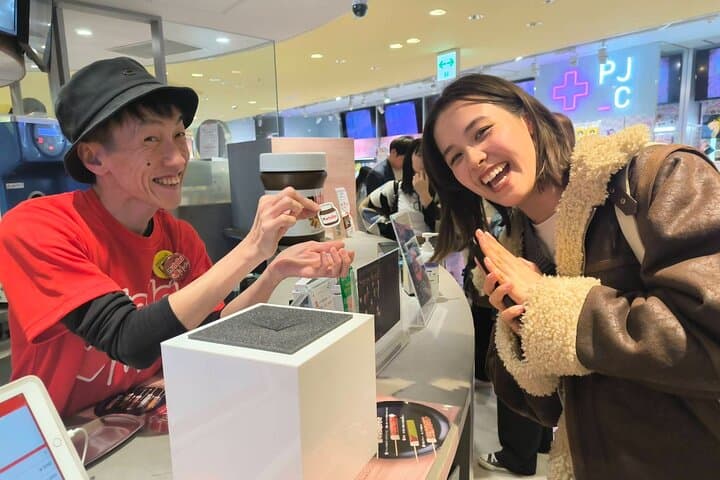
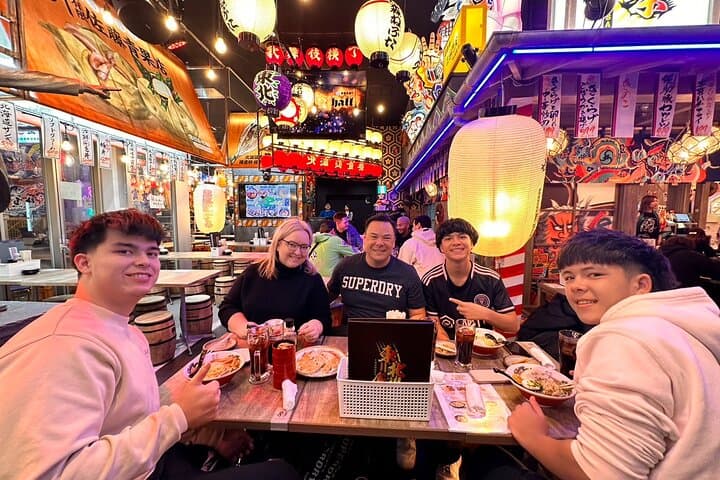
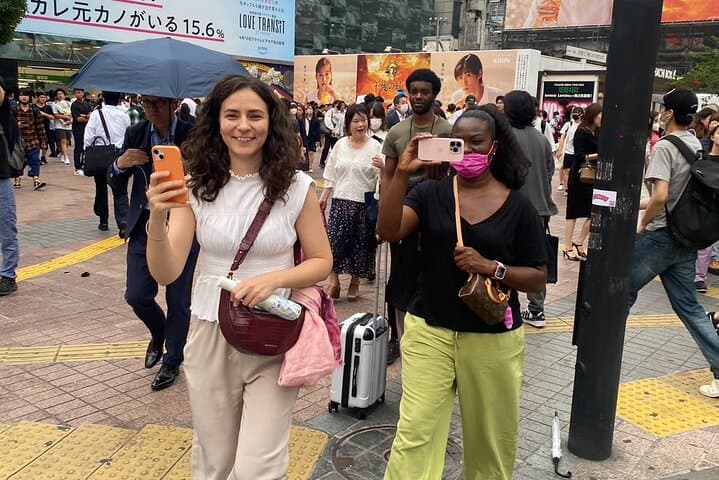
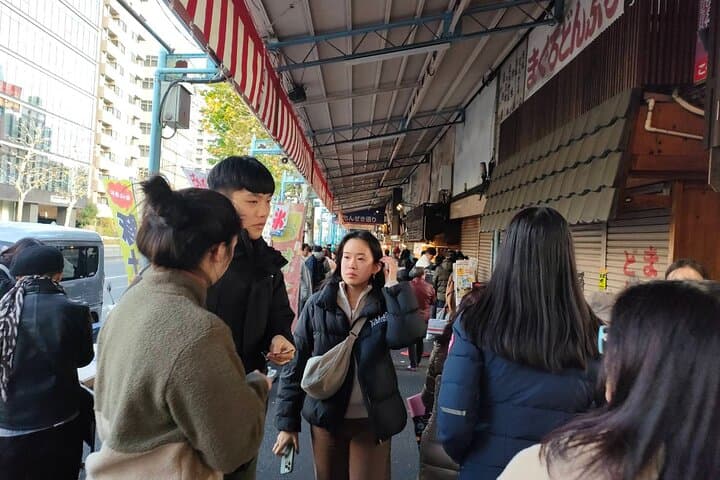
The first step out of Namba Station drops you into a rush of neon and steam: skewers hiss on grills, banners flutter above narrow alleys, and the Dotonbori canal slides past like an impatient companion daring you to keep up.
The first step out of Namba Station drops you into a rush of neon and steam: skewers hiss on grills, banners flutter above narrow alleys, and the Dotonbori canal slides past like an impatient companion daring you to keep up.
This half-day private tour threads those streets with a local guide, moving between classic kushikatsu stands, takoyaki windows, and small izakayas that have fed Osaka families for decades. Osaka’s culinary culture grew from its role as a merchant city in the Edo period — cheap, hearty food designed to power long market days — and you’ll taste the echo of that history in each savory bite.
Geologically, Osaka sits on the flat alluvial plain of the Yodo River, which historically concentrated trade and created the dense urban fabric you’ll walk through. Culturally, Namba and Dotonbori are where working-class flavors became the city’s signature: bold, salty, and built to share.
Practical notes: expect about 3–3.5 hours of walking on mostly flat, paved streets with several short stops for tastings at 5–6 food stations. Small-group size (up to six) keeps the pace conversational; tell your guide dietary needs in advance. Carry cash for tiny stalls, wear comfortable shoes, and plan the tour for early evening if you prefer cooler temperatures and full neon effect.
For photographers, the canal bridges and back-alleys give the best frames; for food lovers, follow the steam and the lines. This tour is a compact, sensory primer on Osaka’s street-food soul—efficient, local-led, and heavy on flavor.