THE ADVENTURE COLLECTIVE® · Independent discovery and booking for outdoor travel

Taste through two of Osaka’s most characterful neighborhoods on a 3‑hour guided walk from Shinsekai’s retro alleys to Dotonbori’s neon waterfront. Expect iconic street foods, local anecdotes, and practical tips to make the most of your culinary crawl.
Taste through two of Osaka’s most characterful neighborhoods on a 3‑hour guided walk from Shinsekai’s retro alleys to Dotonbori’s neon waterfront. Expect iconic street foods, local anecdotes, and practical tips to make the most of your culinary crawl.
You step out of Dobutsuen-mae Station into a pocket of Osaka where neon pushes at the night and the canal in Dotonbori reflects it back in quick, glittering slices. The guide threads the group through Jan-Jan Yokocho — a 1.2‑meter alley whose painted walls and compressed history make each footstep feel like turning a page — while the Tsutenkaku Tower keeps watch above Shinsekai.
Verified experiences and guided adventures in the surrounding area.
Operated by MagicalTrip Inc. · Osaka, Osaka Prefecture
You step out of Dobutsuen-mae Station into a pocket of Osaka where neon pushes at the night and the canal in Dotonbori reflects it back in quick, glittering slices. The guide threads the group through Jan-Jan Yokocho — a 1.2‑meter alley whose painted walls and compressed history make each footstep feel like turning a page — while the Tsutenkaku Tower keeps watch above Shinsekai.
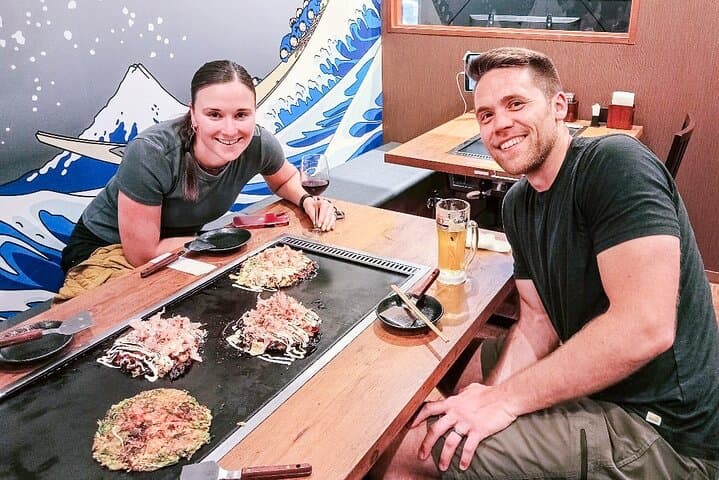
Osaka earned the nickname "the nation's kitchen" during the Edo period for its role as a food distribution hub; that history is literal on this tour, where street stalls and longstanding kitchens still shape daily life. Geologically, you’ll notice a city built around waterways and reclaimed coastal flats — the Dotonbori canal carves the neighborhood and directs the flow of people as surely as it channels water. Cultural touchstones arrive quickly: the Billiken statue, the Glico sign, a temple squeezed between neon, and the theatrical clatter of okonomiyaki griddles.
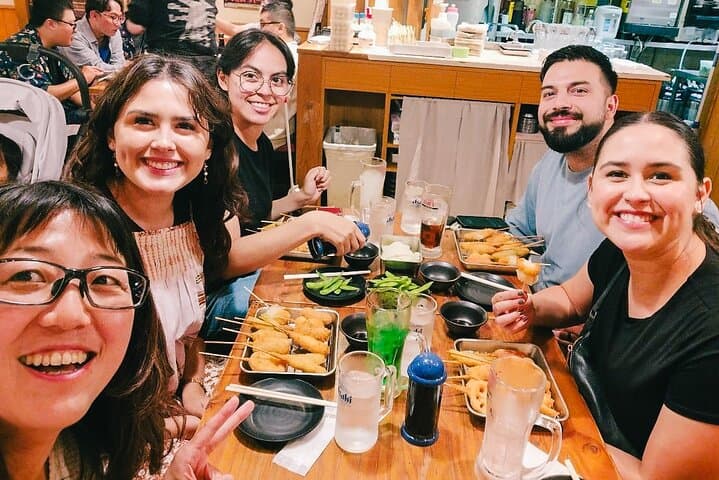
Practically, expect about three hours of mostly flat walking with repeated food stops: kushikatsu, takoyaki, okonomiyaki and a few drinks are included. Bring cash (many stalls are cash-first), wear comfortable shoes and pace yourself — portions are generous. Summer in Osaka can be brutally hot; hydrate and schedule the tour for cooler parts of the day. Respect local etiquette (no double-dipping the kushikatsu sauce) and notify the operator of dietary needs at least one day in advance. The tour balances cultural context with hands-on tasting, giving both newcomers and repeat visitors a compact, flavorful primer on Osaka’s street‑food identity.
easy.
3 hours.
Suitable for most fitness levels; involves standing at food stops and walking on flat urban streets for about 2–3 kilometers total.
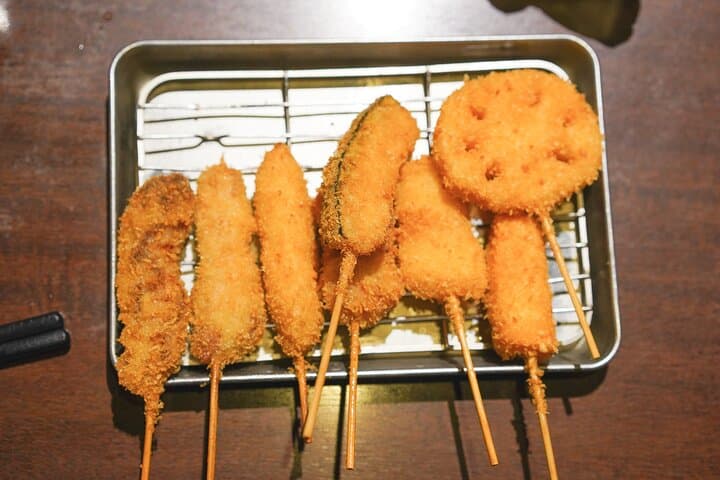
The tour includes 6 pieces of kushikatsu, 1 box of takoyaki, 1 serving of okonomiyaki, and three drinks (alcoholic and non‑alcoholic options available).
Vegetarian options can be requested one day in advance but vegan and gluten‑free cannot be guaranteed; kushikatsu batter and some vegetarian items may use dashi (pork broth).
Expect mostly flat urban walking totaling roughly 2–3 kilometers over three hours with frequent food and photo stops.
It starts in front of the FamilyMart at Dobutsuen‑mae (Exit 1) and ends in Dotonbori near the Glico sign; exact meeting details are provided upon booking.
Osaka developed as a distribution and food center during the Edo period, earning the nickname "the nation’s kitchen"; many current food traditions trace to that commerce-driven past.
Be mindful of litter—use public bins and avoid disposable packaging when possible. Respect vendors by not wasting food and by following local etiquette around shared condiments.
MagicalTrip Inc. operates guided outdoor trips and adventures with an emphasis on safety, stewardship, and memorable experiences.
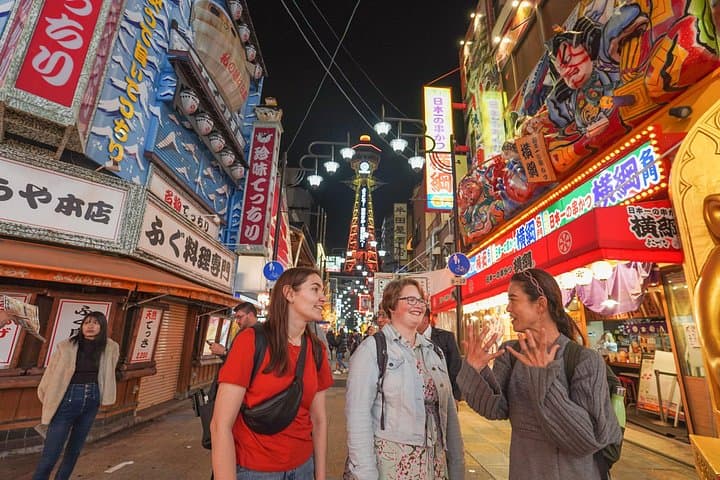
You step out of Dobutsuen-mae Station into a pocket of Osaka where neon pushes at the night and the canal in Dotonbori reflects it back in quick, glittering slices. The guide threads the group through Jan-Jan Yokocho — a 1.2‑meter alley whose painted walls and compressed history make each footstep feel like turning a page — while the Tsutenkaku Tower keeps watch above Shinsekai.
You step out of Dobutsuen-mae Station into a pocket of Osaka where neon pushes at the night and the canal in Dotonbori reflects it back in quick, glittering slices. The guide threads the group through Jan-Jan Yokocho — a 1.2‑meter alley whose painted walls and compressed history make each footstep feel like turning a page — while the Tsutenkaku Tower keeps watch above Shinsekai.
Osaka earned the nickname "the nation's kitchen" during the Edo period for its role as a food distribution hub; that history is literal on this tour, where street stalls and longstanding kitchens still shape daily life. Geologically, you’ll notice a city built around waterways and reclaimed coastal flats — the Dotonbori canal carves the neighborhood and directs the flow of people as surely as it channels water. Cultural touchstones arrive quickly: the Billiken statue, the Glico sign, a temple squeezed between neon, and the theatrical clatter of okonomiyaki griddles.
Practically, expect about three hours of mostly flat walking with repeated food stops: kushikatsu, takoyaki, okonomiyaki and a few drinks are included. Bring cash (many stalls are cash-first), wear comfortable shoes and pace yourself — portions are generous. Summer in Osaka can be brutally hot; hydrate and schedule the tour for cooler parts of the day. Respect local etiquette (no double-dipping the kushikatsu sauce) and notify the operator of dietary needs at least one day in advance. The tour balances cultural context with hands-on tasting, giving both newcomers and repeat visitors a compact, flavorful primer on Osaka’s street‑food identity.