THE ADVENTURE COLLECTIVE® · Independent discovery and booking for outdoor travel

Descend through a sunlit sinkhole into Dos Ojos, part of the planet’s longest underwater cave system. This guided two-tank cenote dive pairs technical cave passages with local flavor—finish with tacos in Tulum.
Descend through a sunlit sinkhole into Dos Ojos, part of the planet’s longest underwater cave system. This guided two-tank cenote dive pairs technical cave passages with local flavor—finish with tacos in Tulum.
The first light filters through jungle leaves and slants into a round sinkhole; below, the water holds a cool, ancient quiet that dares you to slip beneath its surface. You step off a wooden platform, the guide checks your kit, and the cavern inhales—stalactites and columns framing a hallway of glassy water that leads into the earth.
Verified experiences and guided adventures in the surrounding area.
Operated by Tulum Diving and Travel · Tulum, Quintana Roo
The first light filters through jungle leaves and slants into a round sinkhole; below, the water holds a cool, ancient quiet that dares you to slip beneath its surface. You step off a wooden platform, the guide checks your kit, and the cavern inhales—stalactites and columns framing a hallway of glassy water that leads into the earth.
Dos Ojos is a chapter of the longest underwater cave system on the planet. These passages formed as rainwater dissolved limestone over millennia, leaving chambers hung with calcite formations and tunnels that carry fresh groundwater. The Maya regarded cenotes as portals to the underworld and a vital water source; modern divers approach with similar reverence, following mapped routes and local expertise.
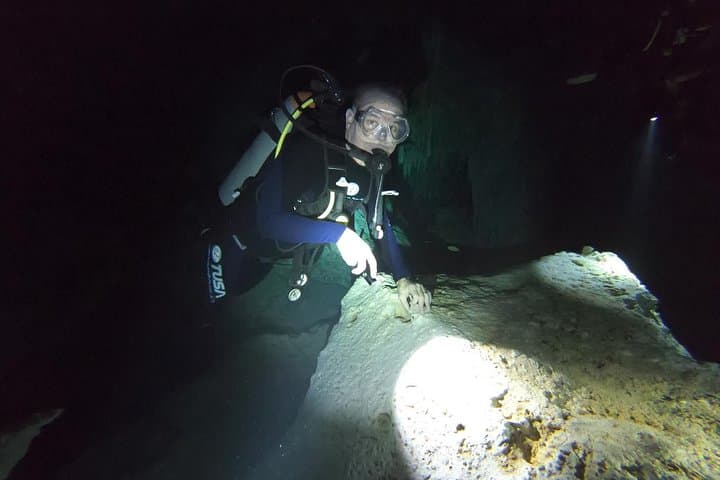
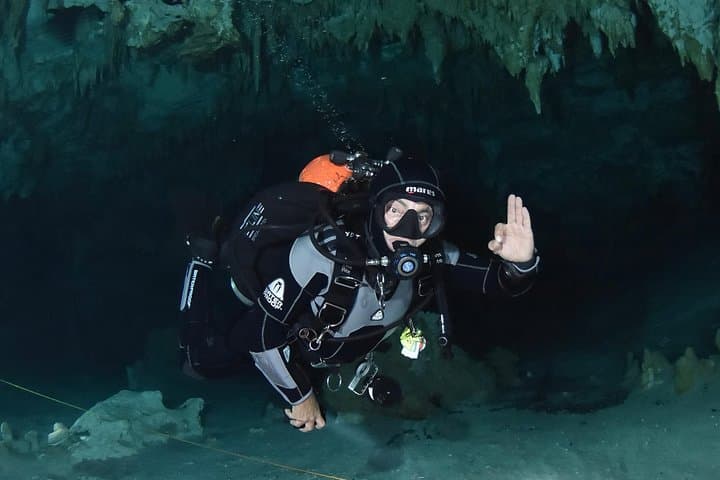
On a guided two-tank dive here you’ll pass through large caverns and into twilight caverns where visibility can be exceptional—often 20–40 meters in open areas—and temperatures hover around 24–26°C (75–79°F). Expect tight protocol: buddy checks, line-following, and staged air management. After surfacing, the itinerary often includes a short transfer to a beloved Tulum taco spot for lunch and water to rehydrate.
Practical notes: evidence of certification is required and a moderate fitness level is recommended. Bring a primary dive light and a backup, reef-safe sunscreen for surface time, and a light long-sleeve for transfers. Weather rarely closes cenotes, but heavy rain can reduce visibility and access. With experienced cave guides, Dos Ojos is an accessible way to experience true cave diving—dramatic, technical, and deeply local.
challenging.
3–5 hours.
Moderate to fit — you should be comfortable with multiple dives, gear handling, and basic physical exertion in humid conditions.
Yes—evidence of dive certification is required; operators often expect Advanced Open Water or cave-specific training for penetration beyond lighted caverns.
Plan for about 3 to 5 hours including hotel pickup, gear setup, two dives, surface intervals, and return—exact timing varies by operator.
Cenote diving involves overhead environments; with a certified instructor you can do cavern-style dives, but full cave penetration requires advanced training and experience.
Water is typically 24–26°C and visibility in open cavern areas can be excellent (often 20–40 m), but it may drop after heavy rain or in narrow passages.
Cenotes like Dos Ojos were sacred to the Maya as sources of fresh water and entrances to the underworld; many nearby ruins and artifacts testify to their cultural importance.
Operators enforce no-touch rules, limit group sizes, and ask divers to use reef-safe sunscreen and avoid disturbing sediments to protect underground water clarity and formations.
Tulum Diving and Travel operates guided outdoor trips and adventures with an emphasis on safety, stewardship, and memorable experiences.
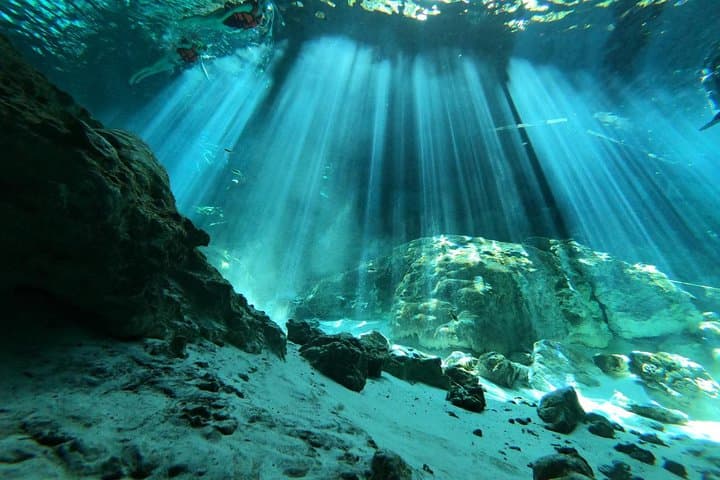
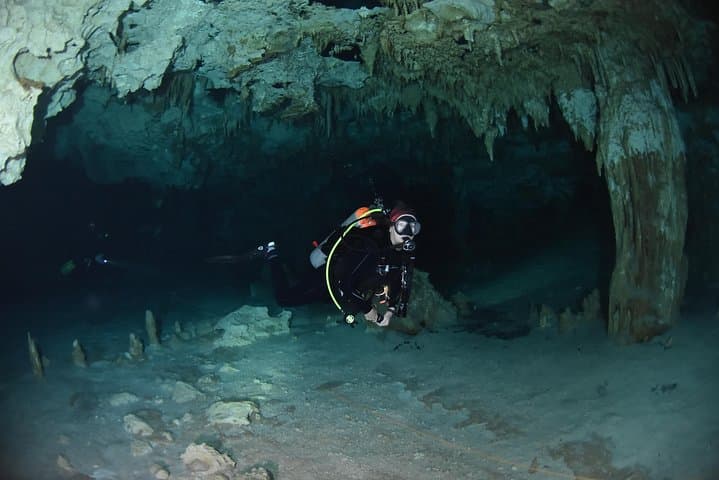
The first light filters through jungle leaves and slants into a round sinkhole; below, the water holds a cool, ancient quiet that dares you to slip beneath its surface. You step off a wooden platform, the guide checks your kit, and the cavern inhales—stalactites and columns framing a hallway of glassy water that leads into the earth.
The first light filters through jungle leaves and slants into a round sinkhole; below, the water holds a cool, ancient quiet that dares you to slip beneath its surface. You step off a wooden platform, the guide checks your kit, and the cavern inhales—stalactites and columns framing a hallway of glassy water that leads into the earth.
Dos Ojos is a chapter of the longest underwater cave system on the planet. These passages formed as rainwater dissolved limestone over millennia, leaving chambers hung with calcite formations and tunnels that carry fresh groundwater. The Maya regarded cenotes as portals to the underworld and a vital water source; modern divers approach with similar reverence, following mapped routes and local expertise.
On a guided two-tank dive here you’ll pass through large caverns and into twilight caverns where visibility can be exceptional—often 20–40 meters in open areas—and temperatures hover around 24–26°C (75–79°F). Expect tight protocol: buddy checks, line-following, and staged air management. After surfacing, the itinerary often includes a short transfer to a beloved Tulum taco spot for lunch and water to rehydrate.
Practical notes: evidence of certification is required and a moderate fitness level is recommended. Bring a primary dive light and a backup, reef-safe sunscreen for surface time, and a light long-sleeve for transfers. Weather rarely closes cenotes, but heavy rain can reduce visibility and access. With experienced cave guides, Dos Ojos is an accessible way to experience true cave diving—dramatic, technical, and deeply local.