THE ADVENTURE COLLECTIVE® · Independent discovery and booking for outdoor travel

Two cavern routes at the world-famous Dos Ojos deliver surreal light, sculpted limestone formations, and a mid-dive air dome where bats gather. A guided experience best suited to certified divers with recent experience.
Two cavern routes at the world-famous Dos Ojos deliver surreal light, sculpted limestone formations, and a mid-dive air dome where bats gather. A guided experience best suited to certified divers with recent experience.
You drive off the coastal road and the jungle tightens around the lane until the trees part and two circular sinkholes open like pupils in the limestone. The water here is astonishingly clear; sunlight pours through openings and paints columns and dangling stalactites in bands of blue and gold. On the Barbie Line you glide under ribbed ceilings and shafts of light that seem to reach for you. On the Bat Cave a large air dome waits mid-dive, and bats pepper the dark ceiling like living confetti as you surface.
Verified experiences and guided adventures in the surrounding area.
Operated by Flying Fish Tulum · Tulum, Quintana Roo
You drive off the coastal road and the jungle tightens around the lane until the trees part and two circular sinkholes open like pupils in the limestone. The water here is astonishingly clear; sunlight pours through openings and paints columns and dangling stalactites in bands of blue and gold. On the Barbie Line you glide under ribbed ceilings and shafts of light that seem to reach for you. On the Bat Cave a large air dome waits mid-dive, and bats pepper the dark ceiling like living confetti as you surface.
Geology and history play out in the same breath: Dos Ojos is part of the Yucatán karst system — an underground network carved by freshwater over millennia. The Maya treated cenotes as portals and water sources; many still consider them culturally significant. Local dive operations run conservative cavern routes (not full cave penetration), keeping you within sight of daylight while showcasing formations and crystal visibility.
Practical guidance: this is for certified Open Water divers comfortable in overhead-ish environments; guides recommend recent experience (20+ dives) or a refresher in nearby Casa Cenote. Expect two 45-minute dives, max depth ~8m (25 ft). Bring your certification card, a dive light, and a shorty or 3mm wetsuit for cooler water. Avoid lotions and sunscreens that contaminate the cenote; use biodegradable products and rinse before entering. Early morning visits capture the best light and calmer water.
Respect the site: don't touch formations, follow your guide’s spacing rules, and pack out any trash. Done right, Dos Ojos is an intimate, otherworldly dive that rewards careful, practiced divers with some of the clearest, most sculpted underwater caverns in the region.
challenging.
4–5 hours.
Moderate fitness—able to carry kit, perform controlled entries, and manage two 45-minute dives with surface intervals
No—these are guided cavern dives where you remain near daylight; cave certification is not required, but experience and recent dives are strongly recommended.
Maximum depth is about 8 m (25 ft) with typical bottom times of up to 45 minutes per dive under a guided profile.
Yes—on the Bat Cave route you can surface into a large air dome where bats roost and fly; sightings depend on time of day and season.
Most operators include private transportation and SCUBA equipment; confirm specifics and any rental costs when booking.
Dos Ojos sits on the Yucatán karst system; cenotes were vital to Maya communities as water sources and ritual sites.
Operators emphasize no-touch rules, rinse-before-entry policies, and limiting group sizes to protect delicate formations and water quality.
Flying Fish Tulum operates guided outdoor trips and adventures with an emphasis on safety, stewardship, and memorable experiences.
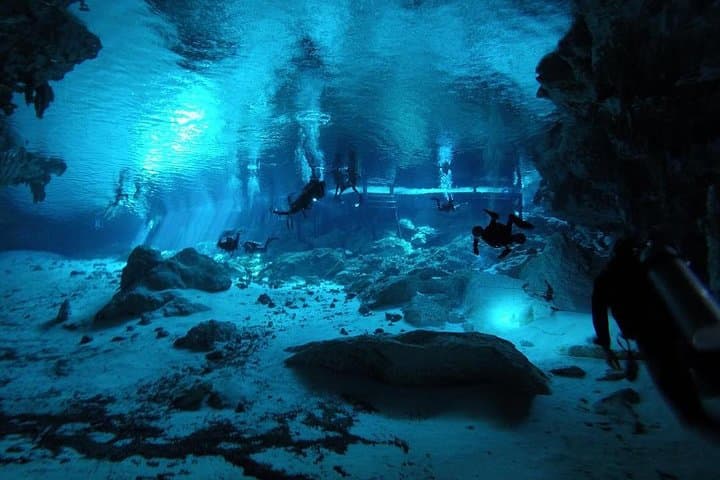
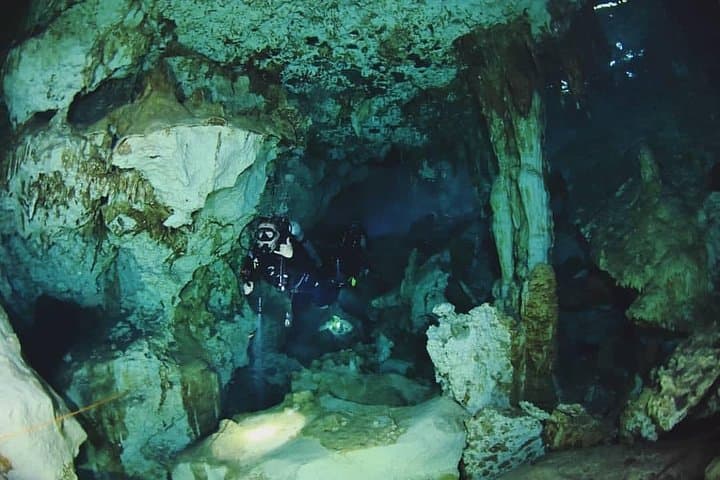
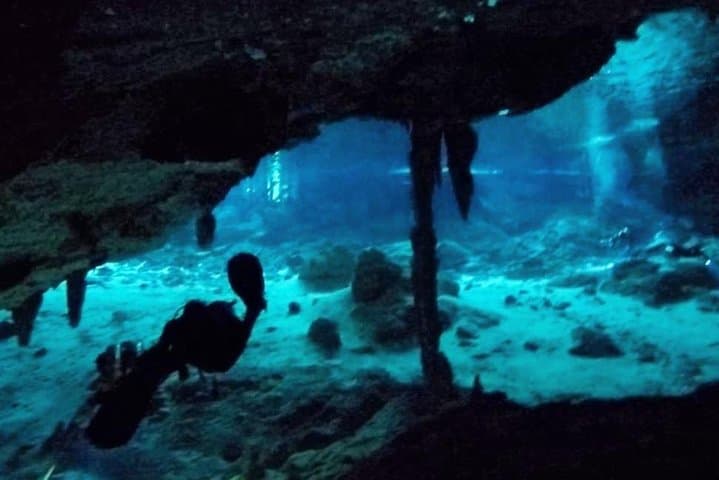
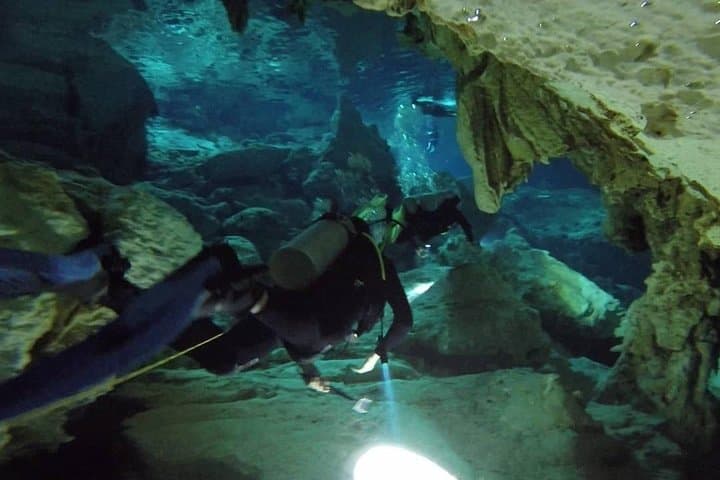
You drive off the coastal road and the jungle tightens around the lane until the trees part and two circular sinkholes open like pupils in the limestone. The water here is astonishingly clear; sunlight pours through openings and paints columns and dangling stalactites in bands of blue and gold. On the Barbie Line you glide under ribbed ceilings and shafts of light that seem to reach for you. On the Bat Cave a large air dome waits mid-dive, and bats pepper the dark ceiling like living confetti as you surface.
You drive off the coastal road and the jungle tightens around the lane until the trees part and two circular sinkholes open like pupils in the limestone. The water here is astonishingly clear; sunlight pours through openings and paints columns and dangling stalactites in bands of blue and gold. On the Barbie Line you glide under ribbed ceilings and shafts of light that seem to reach for you. On the Bat Cave a large air dome waits mid-dive, and bats pepper the dark ceiling like living confetti as you surface.
Geology and history play out in the same breath: Dos Ojos is part of the Yucatán karst system — an underground network carved by freshwater over millennia. The Maya treated cenotes as portals and water sources; many still consider them culturally significant. Local dive operations run conservative cavern routes (not full cave penetration), keeping you within sight of daylight while showcasing formations and crystal visibility.
Practical guidance: this is for certified Open Water divers comfortable in overhead-ish environments; guides recommend recent experience (20+ dives) or a refresher in nearby Casa Cenote. Expect two 45-minute dives, max depth ~8m (25 ft). Bring your certification card, a dive light, and a shorty or 3mm wetsuit for cooler water. Avoid lotions and sunscreens that contaminate the cenote; use biodegradable products and rinse before entering. Early morning visits capture the best light and calmer water.
Respect the site: don't touch formations, follow your guide’s spacing rules, and pack out any trash. Done right, Dos Ojos is an intimate, otherworldly dive that rewards careful, practiced divers with some of the clearest, most sculpted underwater caverns in the region.