THE ADVENTURE COLLECTIVE® · Independent discovery and booking for outdoor travel

Explore Dos Ojos and lesser-known Tak Bae cenotes on a guided, two-tank scuba day trip from Tulum that pairs cavern passages with a local Mayan lunch. Expect clear freshwater tunnels, delicate cave formations, and expert guides who balance safety with exploration.
Explore Dos Ojos and lesser-known Tak Bae cenotes on a guided, two-tank scuba day trip from Tulum that pairs cavern passages with a local Mayan lunch. Expect clear freshwater tunnels, delicate cave formations, and expert guides who balance safety with exploration.
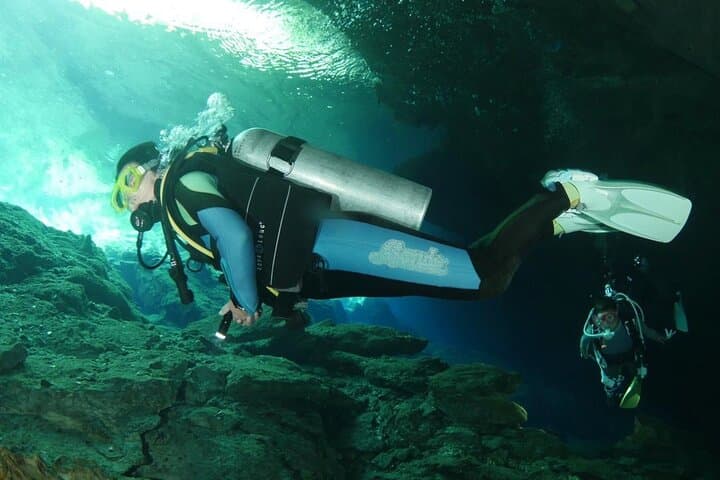
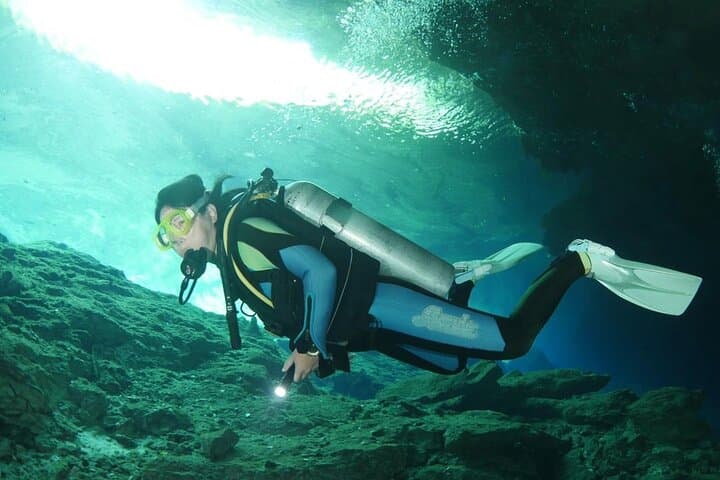
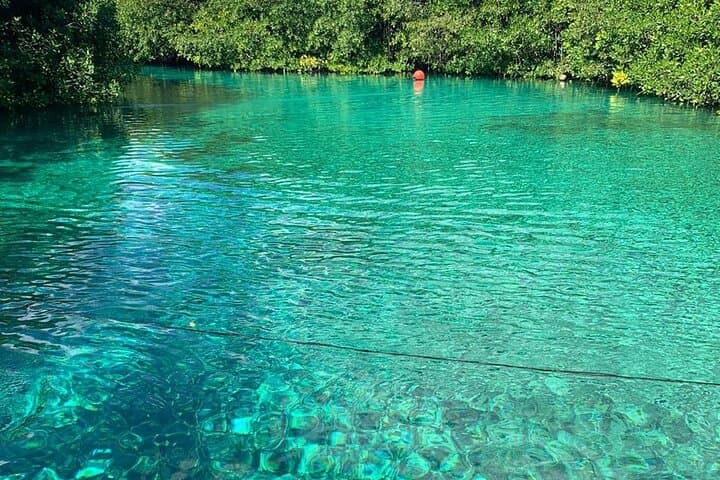
You step off the shaded Jeep track and the jungle parts like a curtain; palms hush and a deep, clear blue opens in the sinkhole below. The surface is mirror-slick, sunlight slanting through a gap in the canopy. Your guide checks gear with practiced economy, the cavern mouth a dark grin that promises cool freshwater passages and caverns threaded with fossilized formations.
Verified experiences and guided adventures in the surrounding area.
Operated by TAE Tulum Area Experiences · Tulum, Quintana Roo
You step off the shaded Jeep track and the jungle parts like a curtain; palms hush and a deep, clear blue opens in the sinkhole below. The surface is mirror-slick, sunlight slanting through a gap in the canopy. Your guide checks gear with practiced economy, the cavern mouth a dark grin that promises cool freshwater passages and caverns threaded with fossilized formations.
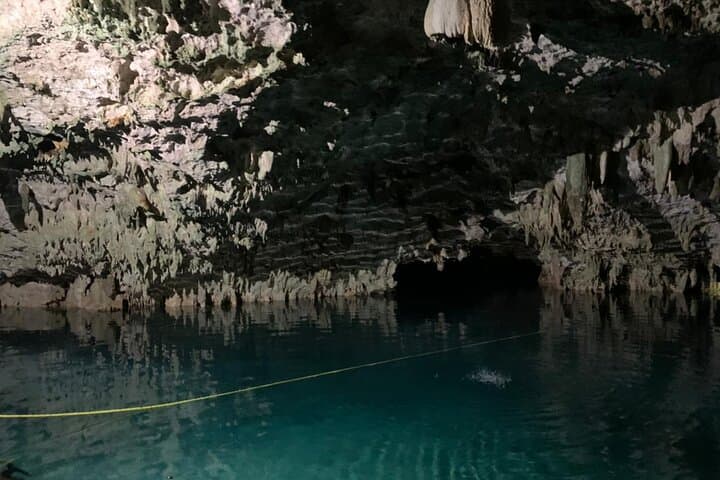
The Yucatán’s cenotes are collapsed limestone caves where groundwater collects—natural wells that once supplied Maya communities and played roles in ritual life as entrances to the underworld. Dos Ojos and the nearby Tak Bae sites are part of an extensive karst system carved over millennia; their clear freshwater lenses and suspended haloclines reveal stratified layers and delicate stalactites preserved in near-silence.
Culturally, local guides blend natural history with Mayan context, and a midday Mayan lunch—fresh fruit and regional cochinita—grounds the day in place.
Practical guidance: arrive hydrated and rested; cenote water averages 24–26°C (75–79°F), so a 3mm wetsuit is common year-round. Buoyancy control matters—silt and fragile speleothems can be damaged by careless fins. These are guided cavern/open-water dives: expect brief surface swims, short overhead exposures limited by light and the guide’s route. Bring a dive computer or rent one, keep your certification card handy, and plan for a 5–6 hour outing including hotel transfers. Timing mid-morning avoids crowds and maximizes light penetration into caverns. Respect conservation rules: no touching formations, rinse gear with fresh water after the trip, and follow your guide’s briefing—here the water is ancient, quiet, and demanding of attention.
moderate.
5–6 hours.
Comfortable for anyone in reasonable health; you should be able to swim and carry basic scuba gear with guidance.
Yes—participants must hold at least an Open Water certification; guided cavern dives also expect basic buoyancy competence.
Yes, a third dive can be added for an extra fee depending on availability and group timing—ask at booking.
Yes—this tour typically includes free hotel pickup and drop-off in the Tulum area; confirm your pickup time when booking.
Certified beginners with comfort in confined spaces can join guided cavern dives, but full cave diving training is not part of the tour; follow guide limits.
Cenotes were vital freshwater sources for the Maya and featured in rituals as thresholds to the underworld (Xibalba).
Cenotes are sensitive karst systems—avoid touching formations, use reef-safe products, and support local operators who limit group sizes and follow strict conservation protocols.
TAE Tulum Area Experiences operates guided outdoor trips and adventures with an emphasis on safety, stewardship, and memorable experiences.
You step off the shaded Jeep track and the jungle parts like a curtain; palms hush and a deep, clear blue opens in the sinkhole below. The surface is mirror-slick, sunlight slanting through a gap in the canopy. Your guide checks gear with practiced economy, the cavern mouth a dark grin that promises cool freshwater passages and caverns threaded with fossilized formations.
You step off the shaded Jeep track and the jungle parts like a curtain; palms hush and a deep, clear blue opens in the sinkhole below. The surface is mirror-slick, sunlight slanting through a gap in the canopy. Your guide checks gear with practiced economy, the cavern mouth a dark grin that promises cool freshwater passages and caverns threaded with fossilized formations.
The Yucatán’s cenotes are collapsed limestone caves where groundwater collects—natural wells that once supplied Maya communities and played roles in ritual life as entrances to the underworld. Dos Ojos and the nearby Tak Bae sites are part of an extensive karst system carved over millennia; their clear freshwater lenses and suspended haloclines reveal stratified layers and delicate stalactites preserved in near-silence.
Culturally, local guides blend natural history with Mayan context, and a midday Mayan lunch—fresh fruit and regional cochinita—grounds the day in place.
Practical guidance: arrive hydrated and rested; cenote water averages 24–26°C (75–79°F), so a 3mm wetsuit is common year-round. Buoyancy control matters—silt and fragile speleothems can be damaged by careless fins. These are guided cavern/open-water dives: expect brief surface swims, short overhead exposures limited by light and the guide’s route. Bring a dive computer or rent one, keep your certification card handy, and plan for a 5–6 hour outing including hotel transfers. Timing mid-morning avoids crowds and maximizes light penetration into caverns. Respect conservation rules: no touching formations, rinse gear with fresh water after the trip, and follow your guide’s briefing—here the water is ancient, quiet, and demanding of attention.