THE ADVENTURE COLLECTIVE® · Independent discovery and booking for outdoor travel

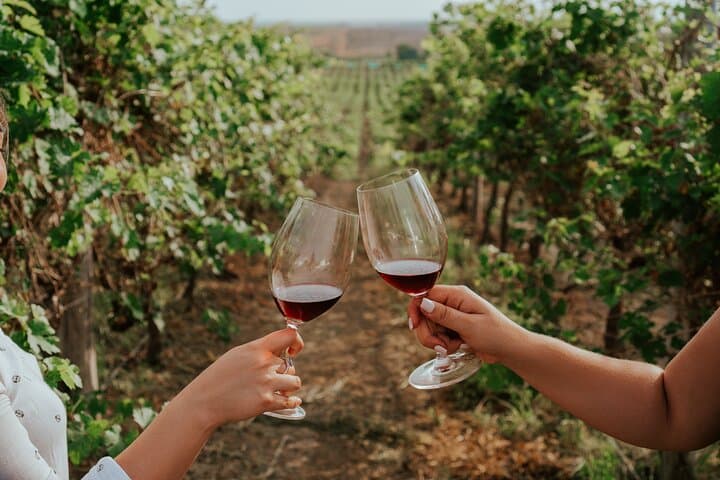
Spend three hours learning how wine comes to life at high elevation. This guided Dos Hemisferios vineyard tour includes a factory walkthrough, barrel cellar visit, and a guided tasting paired with local cheeses.
Spend three hours learning how wine comes to life at high elevation. This guided Dos Hemisferios vineyard tour includes a factory walkthrough, barrel cellar visit, and a guided tasting paired with local cheeses.
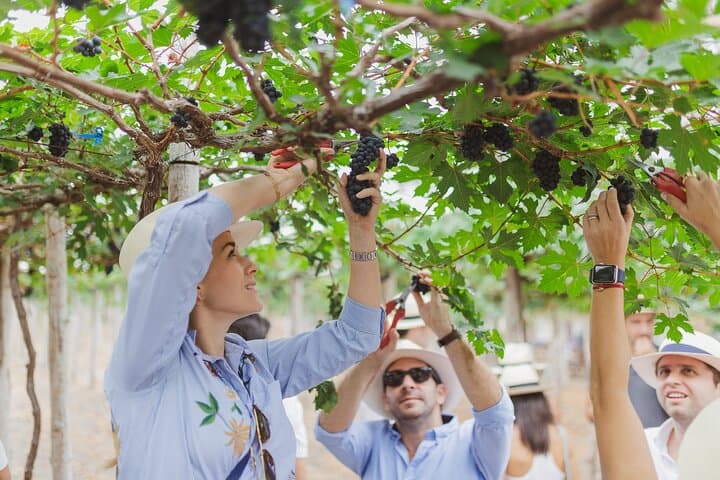
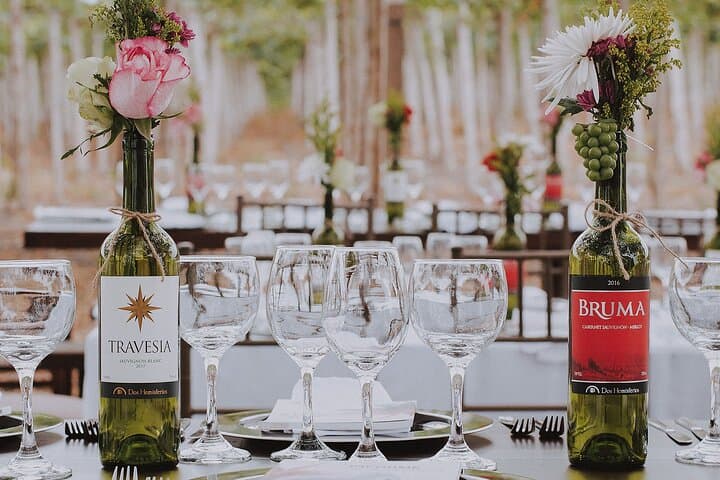
You arrive at the vineyard with Andes air cutting clear and thin—the slopes around Quito lending a cool firmness to the glass in your hand. The guide welcomes the group with a brief aperitif beneath low vines, and the tour moves through the processing plant where fermenting barrels hum softly like a workshop of patient craftsmen.
Verified experiences and guided adventures in the surrounding area.
Operated by Bodega Dos Hemisferios · Quito, Pichincha
You arrive at the vineyard with Andes air cutting clear and thin—the slopes around Quito lending a cool firmness to the glass in your hand. The guide welcomes the group with a brief aperitif beneath low vines, and the tour moves through the processing plant where fermenting barrels hum softly like a workshop of patient craftsmen.
Ecuador's highland vineyards are a relatively recent chapter in the country's agricultural story. At roughly 2,800–2,900 meters elevation, volcanic soils and a marked diurnal temperature swing give wines an unusual clarity and acidity. The Dos Hemisferios project leans into that geography: a learning site and production cellar sited close to the equator that blends local practices with modern vinification techniques.
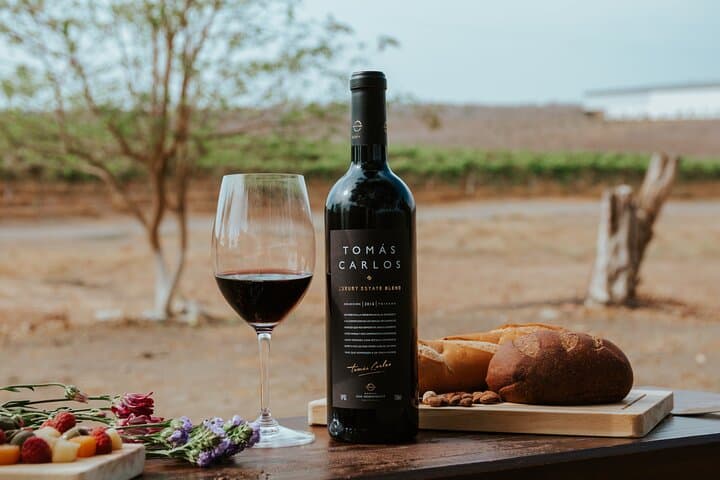
You'll walk the factory floor, study fermentation vats, then step into the barrel cellar—cool, oaky, and dim—where aging wine tells a slower part of the story. Tasting follows: a guided flight of the winery's premium selections paired with locally made cheeses and charcuterie. Conversation covers varietals, aging choices, and how altitude shapes flavor, while the view pushes your eye downslope toward patchwork farmland.
Practicalities: the experience is three hours, suitable for most mobility levels, and often runs in small shared groups. Bring a water bottle and sun protection—the high sun is strong—and plan for light layers because temperature changes with shade and wind. If you suffer altitude sensitivity, move slowly, hydrate, and avoid heavy meals before the visit. Bookings usually confirm instantly; cancel at least 24 hours ahead for a full refund.
easy.
3 hours.
Suitable for most fitness levels; involves short, easy walks on flat and slightly uneven surfaces
The experience is a fixed 3-hour tour: welcome and aperitif, production plant visit, barrel cellar stop, and a guided tasting with snacks.
Infants must sit on an adult’s lap; the content is largely appropriate for older children but tasting portions are for adults.
Transport is not included; because tastings are served, consider arranging a driver or local transport if you plan to consume alcohol.
Full refunds are available if you cancel at least 24 hours before the scheduled departure time.
Modern winemaking around Quito grew from experimental plantings and projects that adapted viticulture to high-altitude microclimates; Dos Hemisferios highlights that recent innovation.
The vineyard emphasizes local sourcing and low-impact practices; visitors are encouraged to follow stay-on-path rules to protect soil and plantings.
Bodega Dos Hemisferios operates guided outdoor trips and adventures with an emphasis on safety, stewardship, and memorable experiences.
You arrive at the vineyard with Andes air cutting clear and thin—the slopes around Quito lending a cool firmness to the glass in your hand. The guide welcomes the group with a brief aperitif beneath low vines, and the tour moves through the processing plant where fermenting barrels hum softly like a workshop of patient craftsmen.
You arrive at the vineyard with Andes air cutting clear and thin—the slopes around Quito lending a cool firmness to the glass in your hand. The guide welcomes the group with a brief aperitif beneath low vines, and the tour moves through the processing plant where fermenting barrels hum softly like a workshop of patient craftsmen.
Ecuador's highland vineyards are a relatively recent chapter in the country's agricultural story. At roughly 2,800–2,900 meters elevation, volcanic soils and a marked diurnal temperature swing give wines an unusual clarity and acidity. The Dos Hemisferios project leans into that geography: a learning site and production cellar sited close to the equator that blends local practices with modern vinification techniques.
You'll walk the factory floor, study fermentation vats, then step into the barrel cellar—cool, oaky, and dim—where aging wine tells a slower part of the story. Tasting follows: a guided flight of the winery's premium selections paired with locally made cheeses and charcuterie. Conversation covers varietals, aging choices, and how altitude shapes flavor, while the view pushes your eye downslope toward patchwork farmland.
Practicalities: the experience is three hours, suitable for most mobility levels, and often runs in small shared groups. Bring a water bottle and sun protection—the high sun is strong—and plan for light layers because temperature changes with shade and wind. If you suffer altitude sensitivity, move slowly, hydrate, and avoid heavy meals before the visit. Bookings usually confirm instantly; cancel at least 24 hours ahead for a full refund.