THE ADVENTURE COLLECTIVE® · Independent discovery and booking for outdoor travel

Spend a morning from Cala Gonone exploring Dorgali’s living crafts and farm-to-table flavors. Visit goldsmith and cutler workshops, then taste local wines, cheeses and oil at a family-run farm amid vineyards and olive groves.
Spend a morning from Cala Gonone exploring Dorgali’s living crafts and farm-to-table flavors. Visit goldsmith and cutler workshops, then taste local wines, cheeses and oil at a family-run farm amid vineyards and olive groves.
A low-slung off-road vehicle grinds up a dusty lane and the wind pushes through olive branches as you leave Cala Gonone’s harbor behind. In a few quick miles the coast’s glare softens into the pale greens of terraces and vineyards; the guide opens a wicker basket and the morning’s coffee and sweets feel like a local welcome.
Verified experiences and guided adventures in the surrounding area.
Operated by Escursì - experience sardinia · Cala Gonone, Sardinia
A low-slung off-road vehicle grinds up a dusty lane and the wind pushes through olive branches as you leave Cala Gonone’s harbor behind. In a few quick miles the coast’s glare softens into the pale greens of terraces and vineyards; the guide opens a wicker basket and the morning’s coffee and sweets feel like a local welcome.
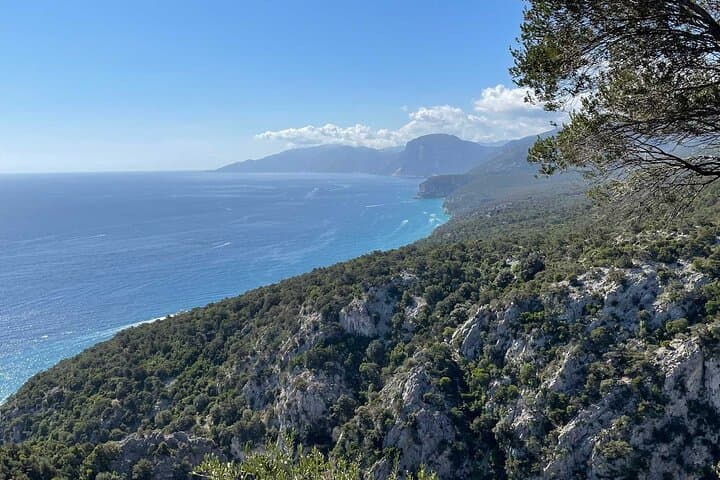
Dorgali sits on the eastern flanks of Sardinia’s limestone spine, a town shaped by shepherding and metalwork. Centuries of goldsmithing and blade-making survive here as living crafts: shops keep ancient techniques visible in the motions of hammer and file. The region’s karst geology produces steep gorges and caves nearby, and the terrain’s limestone provides the raw context for local olive oil, wines, and sheep cheeses.
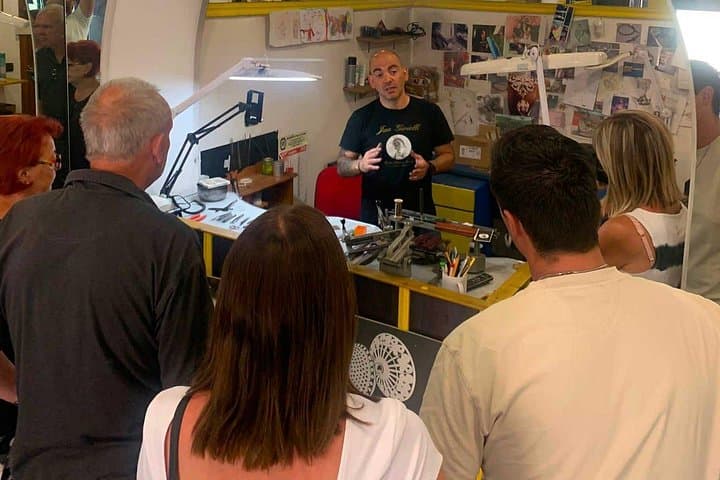
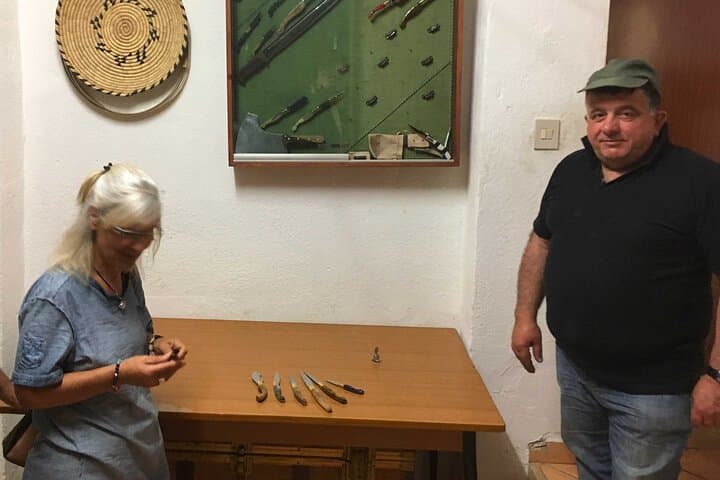
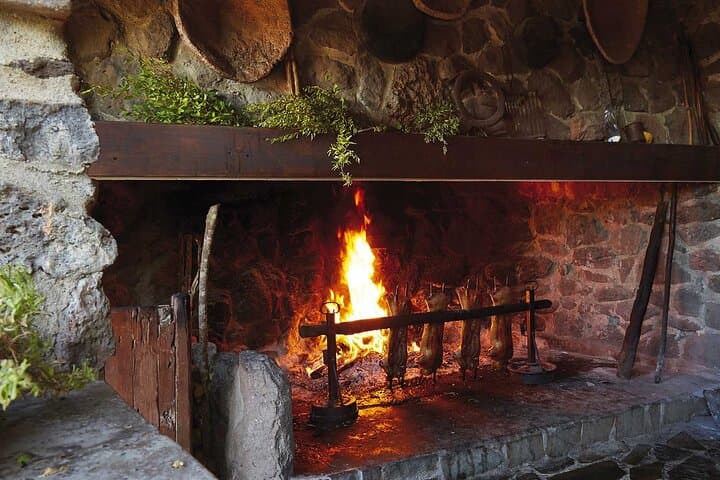
The tour compresses culture into a morning — a visit to a goldsmith’s bench, a cutler’s workshop, then a farm tasting where oil, bread, cheeses and local wines are sampled among vines. Conversations are practical and tactile; tools, grape varieties and aging methods are explained in plain terms.
Practical note: expect a mix of short walks (a few hundred meters) and vehicle transfers; wear sturdy shoes and sun protection. Tell the operator about allergies in advance. Plan for a relaxed pace — the point is learning and tasting, not long hiking — and bring a camera for close-up shots of craftsmanship and the rolling Ogliastra landscape.
easy.
3–4 hours.
Suitable for people in regular, light-activity condition; able to manage brief walks on uneven ground.
The experience runs about 3–4 hours, including transfers, two workshops and a farm tasting.
Yes; infants must sit on an adult’s lap. Check with the operator about child portions and mobility needs.
Yes—notify the operator at least 24 hours in advance so they can prepare alternatives for intolerances and allergies.
No—walking is limited to short stretches of uneven ground; it’s classified as easy but not recommended for those with serious spinal or heart conditions or pregnant travelers.
Dorgali’s craft traditions trace to pastoral and mineral economies; goldsmithing and blade-making became local trades passed through workshops for generations.
Ogliastra’s karst landscapes are sensitive; stay on paths, avoid disturbing pastures, and support farms practicing sustainable grazing and organic viticulture.
Escursì - experience sardinia operates guided outdoor trips and adventures with an emphasis on safety, stewardship, and memorable experiences.
A low-slung off-road vehicle grinds up a dusty lane and the wind pushes through olive branches as you leave Cala Gonone’s harbor behind. In a few quick miles the coast’s glare softens into the pale greens of terraces and vineyards; the guide opens a wicker basket and the morning’s coffee and sweets feel like a local welcome.
A low-slung off-road vehicle grinds up a dusty lane and the wind pushes through olive branches as you leave Cala Gonone’s harbor behind. In a few quick miles the coast’s glare softens into the pale greens of terraces and vineyards; the guide opens a wicker basket and the morning’s coffee and sweets feel like a local welcome.
Dorgali sits on the eastern flanks of Sardinia’s limestone spine, a town shaped by shepherding and metalwork. Centuries of goldsmithing and blade-making survive here as living crafts: shops keep ancient techniques visible in the motions of hammer and file. The region’s karst geology produces steep gorges and caves nearby, and the terrain’s limestone provides the raw context for local olive oil, wines, and sheep cheeses.
The tour compresses culture into a morning — a visit to a goldsmith’s bench, a cutler’s workshop, then a farm tasting where oil, bread, cheeses and local wines are sampled among vines. Conversations are practical and tactile; tools, grape varieties and aging methods are explained in plain terms.
Practical note: expect a mix of short walks (a few hundred meters) and vehicle transfers; wear sturdy shoes and sun protection. Tell the operator about allergies in advance. Plan for a relaxed pace — the point is learning and tasting, not long hiking — and bring a camera for close-up shots of craftsmanship and the rolling Ogliastra landscape.